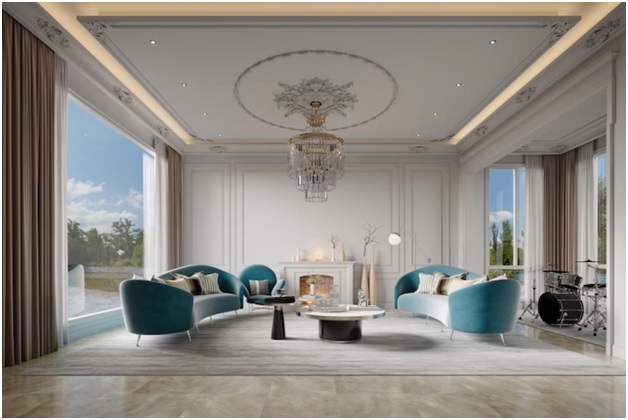
Indoor-outdoor living has become an important consideration in Dubai villa design, where spacious interiors, private gardens and outdoor terraces offer opportunities for comfortable everyday living. A carefully planned layout can connect these areas, improve movement throughout the property and make available space more functional.
Successful villa interior design in Dubai involves balancing attractive interiors with practical outdoor spaces while considering the local climate, privacy and maintenance requirements. From choosing suitable materials to planning furniture arrangements, thoughtful decisions can help homeowners create a comfortable connection between their indoor and outdoor environments.
Understanding Indoor-Outdoor Living in Dubai Villas
Indoor-outdoor living focuses on creating a natural connection between a property’s interior and exterior spaces. Rather than treating gardens, terraces and living rooms as separate areas, the design encourages them to function together.
Large windows, sliding doors, coordinated flooring and carefully positioned furniture can help establish this connection. However, achieving an effective design requires more than simply opening the living room towards the garden.
Dubai’s hot summers, strong sunlight and occasional dusty conditions influence how outdoor spaces should be planned. Shaded seating, appropriate ventilation and durable finishes are essential considerations.
Homeowners should also evaluate how frequently outdoor areas will be used throughout the year. Designing spaces around realistic daily routines helps prevent unnecessary spending on features that receive limited use.
Creating a Seamless Connection Between Indoor and Outdoor Spaces
Visual continuity plays an important role in making a villa feel more spacious. When interior and exterior areas share complementary colours, materials and design features, the transition between them becomes less noticeable.
Neutral colour schemes, natural textures and consistent furniture styles can help create a balanced appearance. Outdoor finishes do not need to match interior materials exactly, but they should work together visually.
Glass doors can improve garden visibility and allow natural light to enter living areas. Sliding or folding systems may also provide flexible access, depending on available wall space and structural requirements.
However, extensive glazing can increase solar heat gain. Suitable glass specifications, external shading and appropriate window treatments should be considered alongside appearance.
Making Better Use of Outdoor Areas
Outdoor spaces should serve a clear purpose rather than becoming extensions that are rarely used. Gardens, patios and terraces can accommodate dining, relaxation or family activities when their layouts reflect household needs.
The most effective arrangement depends on available space, surrounding properties and access from the villa.
A dining area positioned near the kitchen can make outdoor meals more convenient. Similarly, a shaded seating space connected to the main living room can support everyday relaxation.
Circulation space is equally important. Furniture should not obstruct entrances, pathways or access to garden facilities.
For smaller outdoor areas, compact furniture and multifunctional seating can provide flexibility without creating a crowded appearance.
Choosing Materials Suitable for Dubai’s Climate
Material selection affects both appearance and long-term maintenance. Outdoor surfaces must tolerate sunlight, temperature changes and exposure to moisture or dust.
Porcelain tiles, suitable natural stone and weather-resistant finishes are options worth considering, although their performance depends on product specifications and installation methods.
Slip resistance is particularly important around swimming pools, entrances and areas exposed to water.
Outdoor furniture should also be selected carefully. Materials intended for exterior use generally offer better suitability than standard indoor furnishings, but protective covers and regular cleaning may still be necessary.
Homeowners should consider maintenance requirements before choosing decorative finishes that may be difficult to clean or repair.
Practical Design Tips for Maximising Villa Space
Effective space planning begins with understanding how different areas will be used. Several practical decisions can improve comfort and functionality without requiring major structural alterations.
- Prioritise natural movement: Keep pathways clear between living rooms, gardens and outdoor seating areas.
- Introduce suitable shading: Consider pergolas, covered terraces or adjustable shading systems to reduce direct sunlight.
- Choose proportionate furniture: Select pieces that suit the available dimensions rather than overcrowding the space.
- Improve storage: Include practical storage for outdoor cushions, gardening equipment and seasonal accessories.
- Plan lighting carefully: Use appropriate exterior lighting to support safe movement and evening activities.
- Consider privacy: Position seating and screening to reduce unwanted views from neighbouring properties.
These improvements should complement the villa’s existing architecture and household requirements.
Balancing Natural Light, Privacy and Cooling
Natural light can make interior spaces feel open and welcoming, but excessive solar exposure may increase cooling requirements.
Window orientation, glazing specifications and shading should therefore be assessed together.
Privacy is another important consideration, particularly in residential communities where neighbouring villas overlook gardens or terraces.
Landscaping, screens and carefully positioned outdoor furniture can provide separation without completely blocking daylight or views.
Indoor cooling efficiency should remain a priority. Well-sealed doors, suitable insulation and effective air-conditioning arrangements help maintain comfortable interior temperatures.
Planning Renovations and Professional Support
Some indoor-outdoor improvements involve straightforward decorative changes, while others require technical assessment.
Installing larger openings, modifying external walls or constructing permanent outdoor structures may affect structural safety, waterproofing or drainage.
Such work can require approvals from relevant authorities, developers or community management, depending on the property and proposed alterations.
An experienced interior designer can help coordinate layouts, materials and furniture specifications. Structural engineers and qualified contractors may also be necessary when alterations affect the building.
Before starting, homeowners should establish a realistic budget, confirm approval requirements and agree on the project scope.
Conclusion
Indoor-outdoor living can make Dubai villas more functional by connecting interior spaces with gardens, terraces and outdoor seating areas. Successful designs consider layout, natural light, privacy, climate suitability and material durability rather than focusing on appearance alone.
Homeowners should begin by assessing existing spaces and identifying practical improvements that support everyday activities. Prioritising comfortable layouts, appropriate shading and manageable maintenance requirements can create a balanced living environment suited to Dubai’s climate and individual household needs.