Selling unused electronics can become difficult when transport and handling are involved. Old computers, bulky printers, servers, and multiple monitors may require extra effort to move. For businesses, arranging transportation can also interrupt regular work. A free pickup service removes this practical difficulty and makes selling unwanted equipment more convenient.
When planning to sell used IT equipment and electronics in the UAE, sellers can benefit from having the buyer collect devices directly from their location. They do not need to arrange a vehicle or manage several delivery trips. Instead, they can focus on preparing their equipment, reviewing the offer, and completing the sale through a more organised process.
Why Collection Matters When Selling Old Electronics
IT equipment comes in different sizes and conditions. While a laptop is easy to carry, servers, printers, desktop computers, and networking devices can be difficult to transport. Moving several items without suitable arrangements may require additional time, labour, and packaging.
A collection service makes this process easier by bringing the buyer to the seller’s location. It is useful for homes, offices, schools, and warehouses where multiple devices may be stored. Sellers can arrange one collection instead of organising separate trips, making equipment clearance more manageable.
How Free Pickup Makes the Selling Process Easier
Transport is often an overlooked part of selling electronics. Sellers may need to arrange a suitable vehicle, find people to move heavy equipment, and protect devices during transit. These tasks can become especially challenging when handling a large quantity of items.
Free pickup reduces this effort by allowing the buyer to collect equipment directly from the agreed location. Sellers can discuss the quantity and type of devices before confirming a visit. For businesses, scheduling collection in advance can also help minimise disruption to daily operations.
What Types of IT Equipment Can Be Collected?
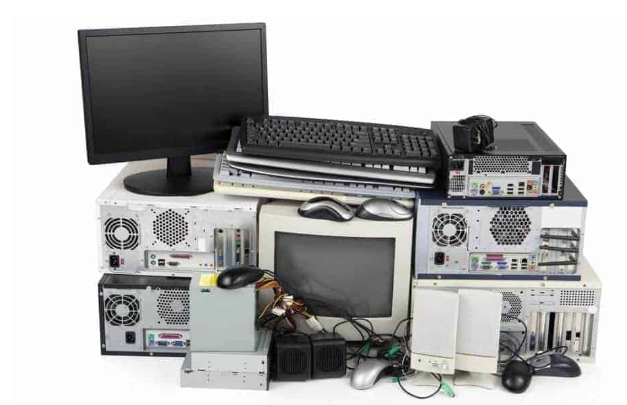
A pickup service can cover several categories of electronics found in homes and workplaces. The accepted equipment and its resale value depend on its condition, specifications, and market demand.
- Computers and Laptops
Desktop computers, laptops, and workstations are commonly replaced during technology upgrades. Sellers can share their models, quantities, and general condition when requesting a quote. Working, outdated, and damaged devices may be considered for evaluation.
- Servers and Networking Equipment
Businesses upgrading their IT infrastructure may have servers, routers, switches, and firewalls to sell. These devices can be bulky and difficult to move without assistance. Sharing an equipment list helps the buyer understand the collection requirements.
- Printers and Office Electronics
Printers, scanners, multifunction machines, and monitors often accumulate during office changes. Collecting these devices together helps businesses clear unused equipment and create more organised storage areas.
- Storage Devices and Mobile Electronics
Hard drives, SSDs, smartphones, tablets, and storage systems may also be included in an equipment sale. Since storage devices can contain sensitive information, sellers should confirm the available data destruction process before handing them over.
- Mixed and Bulk Equipment
Some sellers have different types of electronics stored at one location. Offices, schools, and data centres may need to clear large quantities at once. Sharing photographs and an inventory helps the buyer understand the scale of the collection.
Preparing Your Equipment Before Pickup
A little preparation can make the collection process smoother. Start by grouping devices according to their type and making a simple list of the items being sold. Include quantities and known working conditions so the buyer can assess the equipment more clearly.
Businesses should also confirm that the equipment is approved for sale and that important information has been backed up. Keep personal accessories and items not included in the sale separate. Where possible, place the devices in an accessible area to make handover easier.
Steps from Requesting a Quote to Collection
Before arranging collection, sellers should understand each stage of the process. Sharing accurate equipment details helps the buyer assess the items and provide a suitable quotation. Once the offer is reviewed and accepted, both parties can agree on the pickup schedule and prepare for a smooth handover.
- Share equipment details through the buyer’s contact channel.
- Provide photographs, quantities, models, and device conditions.
- Review the quotation and clarify the offered value.
- Confirm the collection date and location.
- Separate and prepare the equipment for handover.
- Check the payment arrangements before collection.
- Ask about secure data wiping or physical destruction for storage devices.
Clear communication helps prevent confusion about the equipment being sold. Sellers should confirm the final list and agreed terms before handing over their devices.
Why Data Security Matters During Equipment Collection
Old computers, laptops, servers, and storage devices may contain business records, customer details, financial information, and personal files. Simply deleting files or resetting a device may not provide sufficient protection. Sellers should understand how their information will be handled before releasing equipment.
Ask the buyer about certified data wiping and physical destruction options for damaged drives. Businesses can also request written confirmation or a certificate of data destruction where available. Taking these precautions helps protect sensitive information while making the equipment-selling process more secure.
How Pickup Supports Responsible Electronics Clearance
Collecting unwanted electronics from the seller’s location makes it easier to move equipment into suitable reuse or recycling channels. Functional devices may be refurbished or resold, while damaged or obsolete items may require material recovery. The appropriate process depends on the condition and usability of each device.
Before confirming a sale, sellers can ask how the collected equipment will be handled. Understanding the approach to reuse, data destruction, and e-waste recycling helps them make informed decisions. It also allows businesses to clear unused devices without treating every item as general waste.
Conclusion
Free IT equipment pickup removes the inconvenience of arranging transportation when selling unwanted electronics. It makes bulky collections easier, saves time, and helps sellers organise the process from quotation to handover. Preparing an inventory, confirming payment terms, and checking data security arrangements can make the experience smoother for individuals and businesses.
For those searching for electronic scrap buyers near me, IT Scrap Buyer offers free pickup across the UAE for computers, laptops, servers, networking devices, printers, and other IT equipment. With equipment evaluation, instant payment, certified data destruction, and responsible e-waste recycling, the company makes electronics clearance easier for individuals and businesses.