
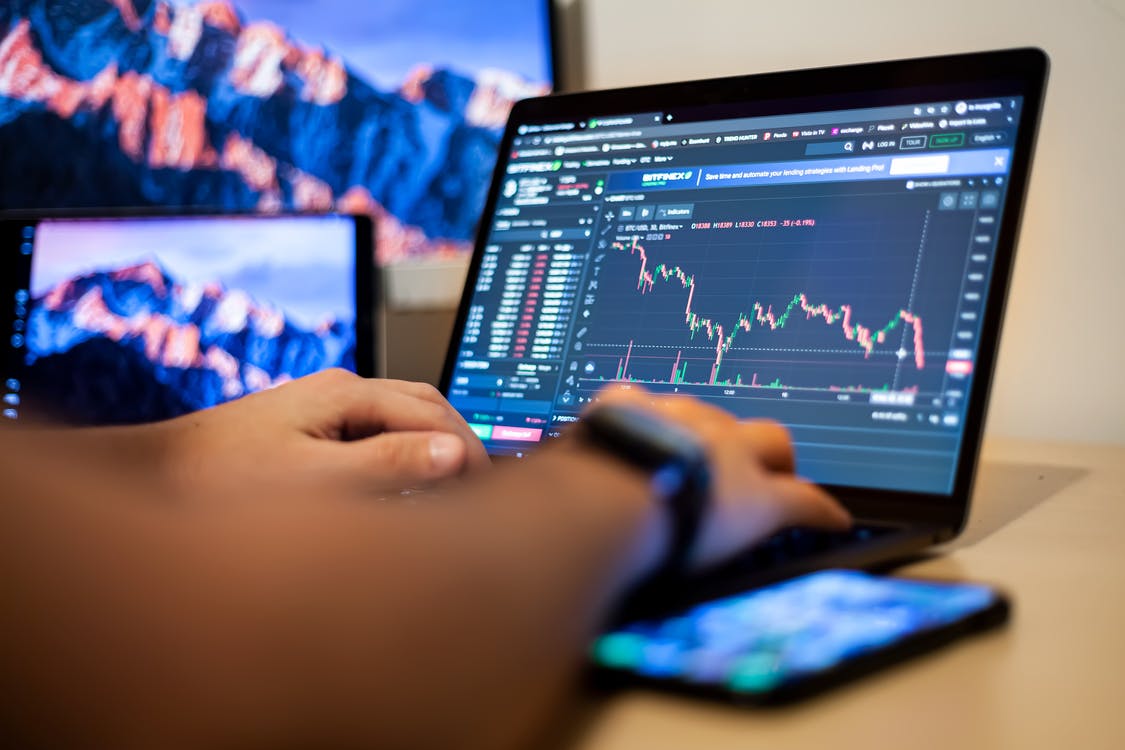
When you first open a trading platform, it’s easy to assume that everything on the screen is important. Charts everywhere, numbers updating, tabs you’ve never seen before—it all feels like you’re supposed to understand it immediately. But the truth is, most of what you see inside a Trader terminal isn’t something you need right away.
What actually matters is much simpler than it looks.
The challenge isn’t learning everything. It’s knowing what to focus on first.
At the center of any trading platform is the chart. This is where price movement lives, and it’s the one feature you’ll come back to again and again. You don’t need multiple charts open. You don’t need complex indicators from the start. Just one clear chart is enough.
Learning how to read movement—how price rises, falls, pauses, and reacts—is far more useful than filling your screen with tools you don’t fully understand yet.
Next is the order panel. This is where your actions happen. It might look technical at first, but its role is simple. It’s where you choose to buy or sell, set your trade size, and confirm your position.
At the beginning, it’s not about using every option available there. It’s about understanding the basics. How to open a trade, how to close it, and how to adjust simple settings without hesitation.
A Trader terminal becomes much easier to use once this part feels familiar.
Another feature that matters more than it seems is the market watch or symbol list. This is where you see the available instruments you can trade. Many beginners make the mistake of jumping between too many options.
Instead, keeping your focus on one or two pairs or assets helps you build familiarity faster. You start recognising how they move, and that makes everything else feel less random.
Your trade history or account panel is also worth paying attention to early on. Not because of the numbers, but because of what they show you. This section reflects your decisions—entries, exits, and outcomes.
Looking back at your trades, even briefly, helps you understand your habits. Over time, this becomes more valuable than any extra tool on the platform.
There are also features you’ll notice but don’t need to worry about yet. Indicators, automated tools, signals, advanced order types—these can all be useful later. But early on, they often create more confusion than clarity.
It’s easy to think that using more features means you’re improving. In reality, most progress comes from understanding a few core functions really well.
That’s why experienced traders often keep their setup simple. They know what matters and ignore what doesn’t.
Another important thing to understand is that speed isn’t the goal. You don’t need to move quickly inside a Trader terminal. You need to move comfortably. Knowing where things are and how they respond is more valuable than reacting fast without clarity.
With time, these key features start to feel natural. You open charts without thinking, place trades without hesitation, and review your activity without confusion. The platform fades into the background, and your focus shifts to the market itself.
That’s when everything begins to click.
Because in the end, the terminal isn’t the thing you’re trying to master. It’s just the tool that helps you interact with the market. Once you understand the few features that truly matter, everything else becomes optional.