London remains one of the world’s busiest commercial centres. High footfall, dense office and retail districts, construction activity and a constant flow of visitors create a security environment that differs from most other UK cities. Businesses of every size face risks that can disrupt operations, damage property or affect staff and customers.
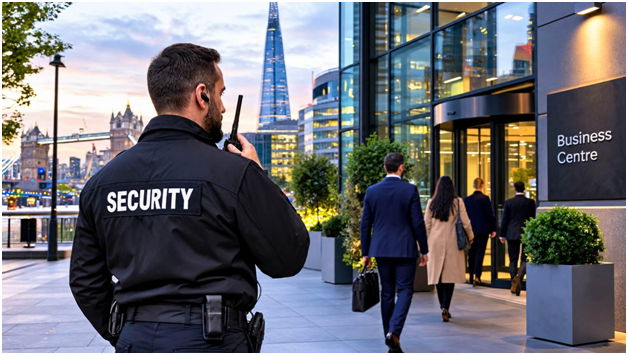
Many companies respond by combining technology with a visible human presence. For sites that need reliable on-the-ground cover,manned guarding London offers a practical way to manage access, deter opportunistic crime and provide a trained point of contact during incidents. Understanding the specific challenges of the capital helps decision-makers choose the right mix of measures.
The Distinctive Security Environment of London
London’s scale and diversity shape the threats businesses encounter. Central areas experience heavy pedestrian traffic and high-value retail targets. Outer boroughs and industrial zones often deal with different patterns of vehicle-related crime or after-hours intrusion. Construction sites across the capital are particularly exposed once workers leave for the day, while multi-tenant office buildings must control access for staff, contractors and visitors without creating bottlenecks.
Hybrid working has added another layer of complexity. Buildings that once had predictable occupancy now see fluctuating numbers of people, making it harder to spot unusual activity through cameras alone. At the same time, the boundary between physical and digital risk has blurred. Unauthorised entry to server rooms, unlocked workstations or poorly supervised contractor access can open the door to data breaches even when cyber defences appear strong.
Common Physical Security Pressures
Theft and burglary remain persistent concerns for retail units, warehouses and construction sites. Opportunistic crime thrives in busy districts where crowds provide cover. Vandalism and criminal damage create both direct repair costs and reputational harm, especially for customer-facing premises. Organised retail crime has also become more coordinated in recent years, placing extra pressure on stores and distribution points.
Access control is another frequent weak point. Reception desks left unattended, shared entry systems that are not monitored, or temporary contractors given overly broad permissions all create openings. Night-time and weekend periods often see reduced staffing, which can leave sites more vulnerable precisely when rapid response is hardest to arrange.
Where Human Presence Makes a Difference
Technology such as CCTV, alarms and electronic access systems provides valuable detection and recording. Yet cameras cannot challenge a suspicious individual, verify a delivery, or guide emergency services to the right entrance. Trained security officers fill that gap. They follow site-specific instructions, maintain a visible presence that deters many potential offenders, and produce clear incident reports that support insurance and police processes.
In the middle of any review of security options, the practical value of manned guarding London becomes clear for sites that need continuous or high-risk-hour cover. Static posts at receptions or gatehouses, scheduled foot patrols of perimeters and car parks, and key-holding with alarm response all rely on licensed officers who understand the local environment. Continuity of the same personnel on longer contracts further improves familiarity with the building, its routines and its regular visitors.
Practical Steps for Assessing and Strengthening Protection
Before committing to any security arrangement, a structured review is essential. Consider the following points:
- Map the times of day and week when the site is most exposed, including early mornings, evenings, weekends and holiday periods.
- Identify the most valuable or sensitive assets — stock, plant, data rooms, cash-handling areas or high-risk entrances — and test how easily they can be reached.
- Review existing systems for gaps: are cameras covering the right zones, are access logs reviewed, and are temporary workers properly briefed?
- Decide whether a permanent static post, mobile patrols, or a combination best matches the risk profile and budget.
- Confirm that any security provider uses SIA-licensed officers screened to recognised standards and that assignment instructions are written specifically for the site.
A short site survey by an experienced provider usually reveals issues that internal teams overlook. It also clarifies whether technology upgrades, procedural changes or additional human cover will deliver the greatest improvement.
Balancing Technology and People
The most effective arrangements treat cameras, alarms and access systems as tools that support trained officers rather than replacements for them. Officers can respond immediately to alerts, check the legitimacy of visitors and maintain a professional front-of-house presence. Technology, in turn, gives officers better situational awareness and creates an audit trail.
Companies should also review insurance requirements and any sector-specific regulations. Clear procedures for reporting incidents, handling lost keys and managing contractor access reduce the chance of small problems escalating. Regular review of the security plan keeps it aligned with changes in occupancy, building layout or local crime patterns.
FAQs
What types of sites in London typically benefit most from on-site security officers?
Corporate offices, construction sites, retail units, residential blocks and event venues all commonly use trained officers. The precise need depends on risk level, hours of operation and the value of assets or people on site.
How does manned guarding differ from remote CCTV monitoring?
CCTV provides detection and recording. Manned guarding adds the ability to challenge individuals, control access in real time, conduct patrols and respond physically to incidents. Many sites use both together.
Are security officers required to hold specific licences?
Yes. In the UK, officers carrying out licensed activities must hold a valid Security Industry Authority licence appropriate to their role. Reputable providers also screen staff to recognised employment standards.
When is a static guard preferable to mobile patrols?
Static posts suit receptions, gatehouses and high-traffic entrances where continuous presence and visitor management are needed. Mobile or foot patrols work better for larger perimeters, car parks or multiple smaller buildings where random checks provide wider coverage.
What should a business prepare before requesting a security proposal?
A clear description of the site, the hours cover is required, any known risk history, and existing systems already in place. A short site visit then allows the provider to recommend a realistic rota and officer numbers.
Wrapping Up
London businesses operate in a demanding security environment shaped by density, varied risk profiles and the overlap of physical and digital threats. Careful assessment of exposure, thoughtful use of technology and the right level of human presence form the foundation of effective protection.
For many sites, incorporating manned guarding London into a wider security plan provides the visible deterrence, access control and rapid response that cameras alone cannot deliver. Regular review of both risks and arrangements remains the most practical way to keep people, property and operations secure.