What if the biggest gains in real estate didn’t come from buying at the perfect time but from simply holding on? Many investors spend years trying to predict market movements, yet history often rewards those who stay patient. Whether you’re a first-time buyer or an experienced investor, understanding why real estate performs so well over time can completely change the way you build wealth. If you’ve been considering long term property investment in Dubai, this guide will help you understand why patience can become your greatest financial advantage and why waiting often delivers returns that short-term strategies simply cannot match.
1. Property Values Tend to Appreciate Over Time
One of the strongest reasons to invest for the long term is the natural appreciation of property values. While markets experience occasional ups and downs, quality real estate in growing locations has historically increased in value over extended periods.
Population growth, infrastructure development, improved connectivity, and expanding business opportunities all contribute to rising demand. As demand increases and land availability becomes limited, property prices generally move upward. Investors who hold their assets for several years are better positioned to benefit from these long-term trends instead of worrying about short-term market fluctuations.
Rather than focusing on monthly price changes, successful investors evaluate how an area may evolve over five, ten, or even twenty years.
2. Rental Income Creates a Stable Cash Flow
Long-term ownership isn’t just about appreciation. Rental income can provide a consistent stream of earnings while your property’s value continues to grow. As rental markets mature, landlords often benefit from periodic rent increases that help offset inflation and maintenance costs. A well-maintained property in a desirable neighborhood can attract reliable tenants and reduce vacancy periods.
This combination of recurring rental income and long-term appreciation creates two separate avenues for generating wealth, making real estate different from many traditional investment options.
3. Time Helps Reduce Market Volatility
Every investment market experiences cycles. Property prices may slow during economic uncertainty, but long-term investors typically have the advantage of time. Instead of reacting emotionally to temporary declines, patient investors allow the market to recover naturally. Economic growth, infrastructure projects, and renewed buyer confidence often restore momentum over time.
This disciplined approach reduces the pressure to sell during unfavorable market conditions and allows investors to benefit when prices recover. Many experienced investors believe that time in the market is more valuable than trying to perfectly time the market.
4. Growing Cities Offer Greater Long-Term Opportunities
Urban development plays a significant role in determining future property values. Cities investing in transportation, commercial districts, education, healthcare, and tourism generally experience stronger long-term demand.
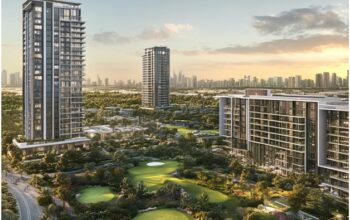
For investors evaluating long term property investment in Dubai, ongoing infrastructure expansion, global business appeal, and a growing international population continue to strengthen the city’s real estate landscape. At the same time, many buyers are increasingly exploring luxury real estate investment in Dubai because premium communities often attract high-net-worth individuals seeking quality, exclusivity, and long-term value.
When cities continue evolving, early investors often benefit the most as surrounding neighborhoods become increasingly desirable.
5. Real Estate Builds Generational Wealth
Unlike many short-term financial assets, property can become a lasting family asset. A well-selected investment property may continue generating rental income for decades while steadily appreciating in value. Owners can also leverage accumulated equity for future investments, business opportunities, or educational expenses.
Many families view real estate as a financial foundation because ownership creates tangible assets that can be transferred across generations. Instead of focusing only on immediate returns, long-term investors build wealth that benefits both current and future family members. This makes property one of the few investments capable of creating lasting financial security.
6. Inflation Often Works in Favor of Property Owners
Inflation reduces the purchasing power of money over time, but real estate has historically acted as an effective hedge against rising costs. As construction expenses, land values, and replacement costs increase, existing properties frequently become more valuable. Rental rates may also rise alongside inflation, allowing investors to maintain purchasing power more effectively than holding cash alone.
For long-term investors, this creates an important advantage. While inflation impacts many financial assets, property ownership often provides protection by allowing both asset values and rental income to adjust over time. This ability to preserve wealth makes real estate particularly attractive during changing economic conditions.
7. Long-Term Investing Encourages Better Financial Decisions
Short-term investing often involves emotional reactions to daily news, market speculation, and price movements. Long-term investing encourages a completely different mindset. Instead of making impulsive decisions, investors focus on property quality, location, developer reputation, rental demand, and future growth potential.
This disciplined approach reduces unnecessary buying and selling while minimizing transaction costs. Investors also gain more time to improve their properties, optimize rental strategies, and strengthen overall portfolio performance. Patience often becomes one of the most valuable investment skills because consistent decision-making generally produces stronger long-term results than chasing quick profits.
Building Wealth Requires Patience, Not Perfection
Many people delay investing because they believe they must find the perfect market conditions. In reality, successful investors often achieve better results by selecting quality properties and allowing time to work in their favor.
Real estate rewards consistency, careful planning, and a long-term perspective. Instead of worrying about temporary market changes, focus on factors that truly influence future value, including location, infrastructure, economic development, and population growth.
The most successful investors rarely build wealth overnight. They build it gradually through disciplined ownership, smart decision-making, and the confidence to remain invested through different market cycles.
As global demand for premium residential communities continues to grow, luxury real estate investment in Dubai remains an attractive option for investors seeking long-term appreciation, rental opportunities, and access to one of the world’s most dynamic property markets. Choosing the right property today could become one of the smartest financial decisions for the future.
Conclusion
Long-term property investment isn’t about quick wins, it’s about creating sustainable wealth through appreciation, rental income, financial discipline, and strategic decision-making. Investors who remain patient are often rewarded with stronger returns, greater stability, and lasting financial security. While every investment involves careful planning, a long-term approach provides the flexibility to navigate market cycles while building valuable assets over time.
Turn your long-term investment plans into reality with trusted guidance from Manazel Properties. They help investors identify opportunities that align with their financial goals through expert market knowledge and personalized guidance. From selecting the right property to navigating every stage of the buying journey, their experienced team delivers reliable real estate solutions designed to support confident, informed, and long-term investment decisions.