
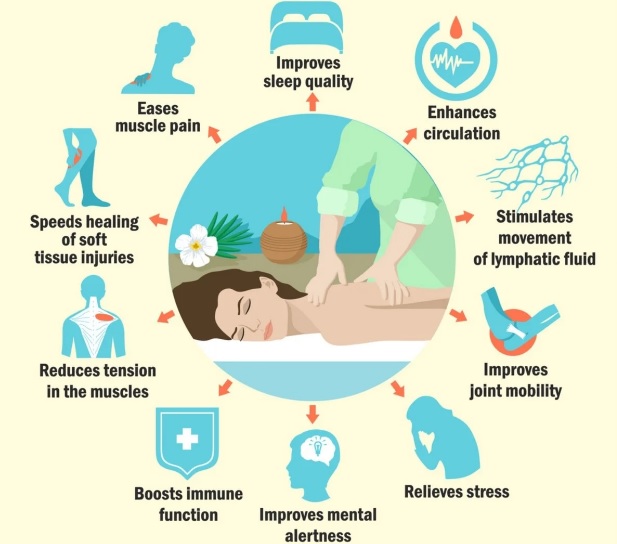
Muscle pain, body stiffness, and stress have become common problems due to long working hours, intense workouts, poor posture, and busy lifestyles. While regular rest may help temporarily, many people look for a more effective solution to relieve muscle tension and improve physical well-being. One of the most recommended therapies is Deep Tissue Massage.
Unlike gentle relaxation massages, deep tissue massage focuses on the deeper layers of muscles and connective tissues. It uses slow, firm pressure to release tension, improve mobility, and support muscle recovery.
Whether you’re an athlete, an office worker, or someone experiencing chronic muscle tightness, deep tissue massage can help you feel more comfortable and refreshed.
In this guide, you’ll learn everything about deep tissue massage, including its benefits, how it works, who should choose it, and how it compares with other massage therapies.
What Is Deep Tissue Massage?
Deep Tissue Massage is a therapeutic massage technique that targets the deeper layers of muscles, tendons, and connective tissues. It uses slow strokes and firm pressure to release muscle knots, reduce stiffness, and improve flexibility.
Unlike traditional relaxation massages, deep tissue massage focuses on addressing specific areas of muscle tension rather than providing only general relaxation.
This therapy is commonly chosen by people who experience:
- Muscle stiffness
- Sports-related tension
- Poor posture
- Repetitive strain from work
- General body discomfort
How Does Deep Tissue Massage Work?
During a deep tissue massage session, the therapist applies controlled pressure using their:
- Hands
- Fingers
- Knuckles
- Forearms
- Elbows (when necessary)
The treatment works by gradually reaching the deeper muscle layers to help release tight muscles and improve blood circulation.
A typical session usually lasts between 60 and 90 minutes, depending on your needs.
Top Benefits of Deep Tissue Massage
Deep tissue massage offers several physical and mental wellness benefits.
1. Relieves Muscle Pain
One of the biggest reasons people choose deep tissue massage is to reduce muscle pain and stiffness.
The therapy helps release tight muscles caused by:
- Long office hours
- Heavy lifting
- Sports activities
- Poor posture
- Repetitive daily movements
2. Reduces Muscle Tension
Muscle knots can limit movement and cause discomfort.
Deep tissue massage uses firm pressure to help loosen these tight areas, allowing muscles to relax naturally.
3. Improves Flexibility
Tight muscles often reduce flexibility and make everyday movements uncomfortable.
Regular sessions may help:
- Improve range of motion
- Reduce stiffness
- Increase mobility
- Support better posture
For people who want additional stretching, Thai Massage is another excellent therapy that focuses on flexibility and body movement.
4. Supports Faster Muscle Recovery
Athletes and active individuals often choose deep tissue massage because it helps muscles recover after intense physical activity.
Many people schedule sessions after workouts or sporting events to reduce muscle tightness and improve recovery.
5. Encourages Better Blood Circulation
The massage techniques used during deep tissue therapy stimulate healthy blood flow throughout the body.
Improved circulation can help:
- Deliver oxygen to muscles
- Support natural recovery
- Reduce muscle fatigue
- Improve overall body function
6. Helps Reduce Stress
Although deep tissue massage uses firmer pressure, many people feel deeply relaxed after the session.
As muscle tension decreases, the body often feels lighter and more comfortable.
For complete relaxation, some clients combine Deep Tissue Massage with an aroma massage spa at home, which uses essential oils to create a calming experience.
Who Should Choose Deep Tissue Massage?
Deep tissue massage is suitable for people who experience ongoing muscle tension or physically demanding lifestyles.
It is ideal for:
- Athletes
- Gym enthusiasts
- Office professionals
- Drivers
- Construction workers
- Fitness trainers
- Individuals with poor posture
- Anyone experiencing muscle stiffness
Deep Tissue Massage vs Swedish Massage
Both therapies offer valuable benefits, but they serve different purposes.
| Deep Tissue Massage | Swedish Massage |
| Uses firm pressure | Uses light to medium pressure |
| Targets deep muscle layers | Focuses on overall relaxation |
| Helps relieve muscle knots | Helps reduce everyday stress |
| Best for muscle recovery | Best for gentle relaxation |
| Ideal for chronic tension | Ideal for first-time massage clients |
If your goal is complete relaxation rather than targeted muscle therapy, Swedish Massage may be the better option.
Deep Tissue Massage vs Thai Massage
Many people compare these two popular massage therapies.
Choose Deep Tissue Massage if you want:
- Strong pressure
- Relief from muscle knots
- Recovery after workouts
- Reduced muscle stiffness
- Pain-focused therapy
Choose Thai Massage if you want:
- Assisted stretching
- Better flexibility
- Increased mobility
- Improved posture
- A more active massage experience
Both therapies can complement each other depending on your wellness goals.
Can Deep Tissue Massage Be Combined with Other Therapies?
Yes. Many wellness centers recommend combining deep tissue massage with other treatments for a more complete experience.
Deep Tissue Massage + Aroma Massage
After a firm-pressure massage, an Aroma Massage helps calm the mind and promote complete relaxation.
Deep Tissue Massage + Foot Reflexology
Foot Reflexology helps relax tired feet while supporting overall wellness and stress relief.
Deep Tissue Massage + Swedish Massage
Some people alternate between Swedish Massage and deep tissue massage depending on whether they need relaxation or muscle recovery.
What Happens During a Deep Tissue Massage Session?
A typical session usually includes:
Initial Consultation
The therapist discusses your areas of discomfort and wellness goals.
Muscle Assessment
Specific muscle groups are evaluated to identify areas of tightness.
Deep Pressure Massage
Firm, slow strokes target deeper muscle tissues.
Post-Treatment Advice
The therapist may recommend drinking water, stretching, and resting after your session.
Tips Before Your Deep Tissue Massage
To get the best results:
- Drink plenty of water before and after the massage.
- Wear comfortable clothing.
- Avoid heavy meals before your appointment.
- Inform your therapist about any injuries.
- Expect mild muscle soreness for a day or two after your first session.
- Perform light stretching if recommended.
Why Deep Tissue Massage Is So Popular
Deep tissue massage has become one of the most requested therapeutic massage treatments because it offers long-lasting physical benefits.
People choose it because it helps:
- Relieve muscle pain
- Reduce stiffness
- Improve flexibility
- Support sports recovery
- Improve circulation
- Reduce daily stress
- Enhance overall wellness
Whether you have an active lifestyle or spend long hours at a desk, deep tissue massage can help keep your muscles healthy and your body feeling its best.
Conclusion
Deep Tissue Massage is an excellent choice for anyone looking to relieve muscle pain, reduce tension, and improve recovery. By targeting the deeper layers of muscles, this therapy helps release tightness, improve flexibility, and support overall physical wellness.
For a complete wellness routine, you can combine deep tissue massage with Aroma Massage, Foot Reflexology, Thai Massage, or Swedish Massage, depending on your personal needs. Regular massage therapy can help you stay active, reduce stress, and enjoy a healthier lifestyle.
Frequently Asked Questions (FAQs)
1. What is Deep Tissue Massage?
Deep Tissue Massage is a therapeutic massage that uses firm pressure and slow strokes to target deeper muscle layers and relieve tension.
2. Is Deep Tissue Massage painful?
The pressure is firmer than a traditional massage, but it should always remain within your comfort level. Some mild soreness after the session is normal.
3. How long does a Deep Tissue Massage session last?
Most sessions last between 60 and 90 minutes, depending on the treatment plan.
4. Who should get a Deep Tissue Massage?
It is ideal for athletes, office workers, fitness enthusiasts, and anyone experiencing muscle stiffness, chronic tension, or post-workout soreness.
5. Can Deep Tissue Massage improve flexibility?
Yes. By releasing tight muscles and improving mobility, deep tissue massage can help increase flexibility over time.
6. Can I combine Deep Tissue Massage with other therapies?
Yes. Many people combine it with Aroma Massage, Foot Reflexology, Thai Massage, or Swedish Massage for a complete wellness experience.
7. Should I drink water after a Deep Tissue Massage?
Yes. Drinking water after your session helps keep your body hydrated and supports recovery.
8. How often should I get a Deep Tissue Massage?
For general muscle maintenance, many people schedule a session every 2–4 weeks. Those with physically demanding jobs or active lifestyles may benefit from more frequent sessions.