
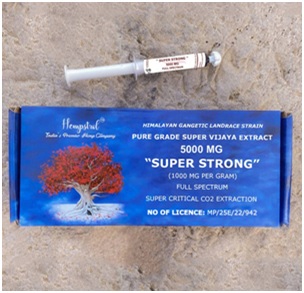
Pain and physical discomfort can interfere with daily routines, relaxation, sleep, and overall wellbeing. As interest in plant-based wellness continues to grow, THC body oil for pain has become a topic of discussion among adults exploring alternative approaches to personal care. However, safety should never be assumed simply because a product comes from a plant. Ingredients, concentration, testing, responsible application, personal health factors, and local regulations all deserve attention before choosing a THC-based product.
What is THC Body Oil?
THC, short for tetrahydrocannabinol, is a naturally occurring compound found in cannabis plants. Unlike CBD, THC can produce psychoactive effects, so products containing it require greater awareness and responsible use.
A body oil may combine THC with a carrier oil and other ingredients intended for external application. The exact formulation can vary considerably between products. Therefore, checking the label is important before use.
Look for information about the ingredients, THC concentration, recommended application, batch details, storage instructions, and available laboratory testing. Clear documentation can help consumers understand what they are purchasing instead of relying solely on advertising descriptions.
Why is THC Discussed for Pain and Comfort?
The human body has biological pathways involved in regulating sensations such as discomfort and pain. Cannabis compounds have therefore attracted interest in research and wellness discussions.
However, pain can have many different causes. Temporary muscle soreness, exercise-related discomfort, injuries, inflammation, and long-term conditions may require completely different approaches. A topical oil should not be viewed as a universal solution or a replacement for professional diagnosis.
The experience can also vary between individuals. Factors such as the formulation, amount applied, application area, skin condition, and personal sensitivity may influence how someone responds to a product.
What Should You Check Before Choosing an Oil?
Product transparency is one of the most important considerations. A reputable formulation should provide understandable information about its ingredients and stated concentration.
Independent laboratory testing can provide additional reassurance by showing whether the product’s composition corresponds with its label. Certificates of Analysis may provide information about potency and certain quality checks.
Consumers should also consider how the product is manufactured, packaged, stored, and supplied. Products with unclear ingredients or exaggerated promises deserve additional caution.
Instead of choosing an oil simply because it claims to be powerful, compare the available information and consider whether the formulation is appropriate for the intended purpose.
Purchasing THC-Related Products in India
Purchasing THC-related products in India requires particular care, especially when searching for THC oil buy in India options. Rules can depend on the source, composition, concentration, intended use, and applicable regulations. Consumers should verify current requirements and review product documentation before purchasing or using such products.
It is also important to distinguish between products containing different cannabis-derived compounds. A product’s name alone may not accurately describe its contents, making ingredient information, concentration details, and laboratory testing especially valuable.
THC and CBD are Different
THC and CBD are not interchangeable. THC may cause intoxicating effects, while CBD is generally considered non-intoxicating. Their properties, uses, and regulatory considerations can therefore differ.
People researching CBD products India should read product labels carefully and determine exactly which compounds are present. Terms such as hemp oil, cannabis extract, full spectrum, and broad spectrum may describe different formulations and should not automatically be treated as equivalent.
Understanding these distinctions can prevent consumers from purchasing a product based on assumptions about what it contains.
Making an Informed Wellness Choice
Choosing a THC body oil responsibly involves more than looking at the advertised strength. Consumers should consider product quality, personal circumstances, appropriate application, professional guidance, and legal requirements.
In 2026, greater access to product information gives consumers an opportunity to make more educated decisions. Reading labels carefully, comparing testing information, understanding THC’s effects, and maintaining realistic expectations can contribute to a safer and more informed experience.
Conclusion
When considering wellness options carefully, THC body oil for pain may interest adults exploring plant-based wellness, but it should not automatically be considered safe for everyone. Responsible use requires checking ingredients, testing, concentration, instructions, personal circumstances, and regulations. Consumers should choose transparent products, maintain realistic expectations, and seek professional guidance when appropriate.
For those exploring cannabinoid wellness, Hempstrol offers CBD and THC oils, softgels, balms, and pet care products. The brand highlights consultation support, prescription-based purchasing, product information, and laboratory testing. Its platform helps customers explore cannabinoid formulations while accessing relevant guidance and details. Consumers can review available options, understand product formulations, and seek professional advice before choosing products that suit their wellness needs.