
Maintaining a healthy weight is one of the most impactful things you can do for your long-term health. The BMI calculator is one of the most widely used tools for assessing whether your weight is appropriate for your height. When combined with a height weight chart, it becomes a practical roadmap for tracking and maintaining your ideal weight range.
Understanding the BMI Scale
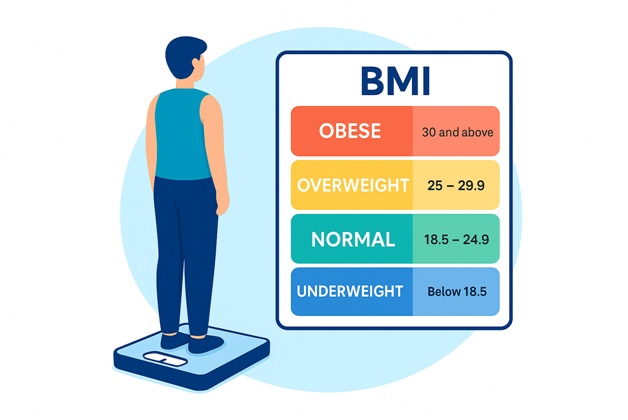
BMI, or Body Mass Index, is calculated by dividing your weight in kilograms by your height in metres squared. The resulting number falls into one of four categories: underweight (below 18.5), normal weight (18.5–24.9), overweight (25–29.9), or obese (30 and above). For most adults, a BMI in the normal range (18.5–24.9) is associated with the lowest risk of chronic disease.
How to Use a BMI Calculator
Using a BMI calculator is straightforward. Enter your height (in centimetres or feet) and weight (in kilograms or pounds), and the tool instantly computes your BMI. Most online calculators also provide an interpretation of your result and sometimes suggest a healthy weight range based on your height.
The Role of the Height Weight Chart
A height weight chart displays ideal weight ranges for different heights, separately for men and women. It serves as a visual complement to the BMI calculator, allowing you to see at a glance where your current weight falls relative to the recommended range for your height. These charts are particularly useful for tracking weight goals over time and for parents monitoring children’s growth.
Health Risks of Being Outside the Healthy BMI Range
A BMI below 18.5 (underweight) is associated with nutrient deficiencies, weakened immunity, bone loss, and fertility issues. A BMI above 25 (overweight or obese) increases the risk of type 2 diabetes, cardiovascular disease, certain cancers, joint problems, and sleep apnoea. Even a small improvement in BMI — moving from 27 to 24 — can lead to measurable health benefits.
Practical Tips for Staying Within a Healthy BMI Range
Achieving and maintaining a healthy BMI requires a balanced approach. Focus on a nutrient-dense diet rich in vegetables, whole grains, lean proteins, and healthy fats. Incorporate at least 150 minutes of moderate aerobic activity per week. Monitor your weight monthly using the BMI calculator and height weight chart. Address stress, sleep, and hydration as these significantly affect weight management.
BMI as a Health Insurance Factor
Many private health insurers in India factor in BMI when calculating premiums. A higher BMI may attract loading (extra premium) on health insurance policies. Maintaining a healthy BMI not only protects your physical wellbeing but can also reduce your insurance costs and improve your eligibility for certain wellness-linked benefits offered by insurers.
Conclusion
The BMI calculator and height weight chart are practical, accessible tools that help you take charge of your health. Used consistently, they enable you to monitor trends, set realistic targets, and course-correct before small weight gains become significant health risks. Make them a regular part of your health monitoring routine.