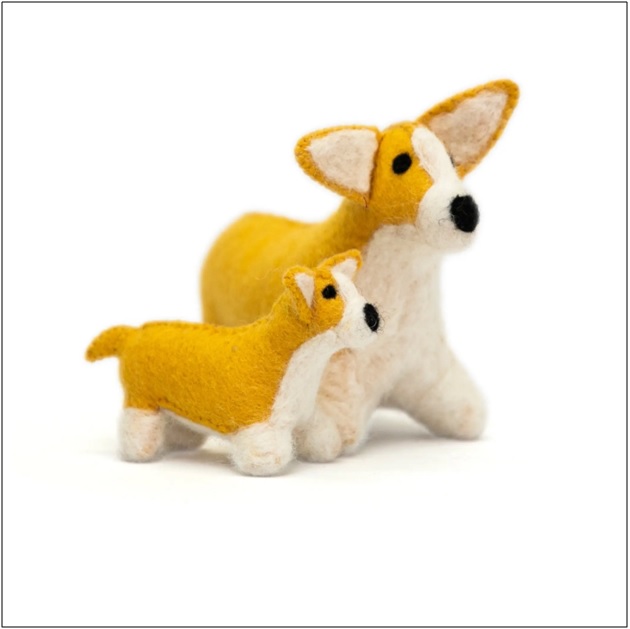
The growing interest in sustainable living has transformed the way people shop for gifts, décor, and educational products. Consumers now appreciate items that are created with care, carry cultural value, and offer lasting quality instead of short-term convenience. Among these emerging preferences, wholesale felt animals have gained significant attention because they combine traditional craftsmanship with modern design appeal.
This shift reflects more than changing shopping habits. It represents a broader appreciation for products that tell a story while supporting responsible production and artisan communities. Consumers are becoming more interested in understanding how products are made and the people behind their creation. This growing awareness encourages businesses to prioritize transparency, ethical sourcing, and traditional craftsmanship. As a result, handmade products are increasingly valued not only for their appearance but also for the cultural heritage and positive social impact they represent.
Traditional Craftsmanship With Modern Relevance
The art of wool felting has been practiced for centuries across Himalayan communities. Skilled artisans transform natural wool fibers into beautifully detailed creations using techniques that rely on patience, experience, and precision rather than industrial machinery.
Although these methods remain rooted in tradition, the finished products fit naturally into contemporary lifestyles. Handmade felt creations are now found in homes, classrooms, boutiques, and creative retail spaces across the world.
Their continued relevance demonstrates how timeless craftsmanship can successfully adapt to changing consumer preferences.
The Journey From Wool To Artistic Creation
Creating a felt animal begins with carefully prepared natural wool. Through repeated layering, shaping, and felting, artisans gradually transform soft fibers into detailed figures with remarkable character.
Each stage requires close attention to proportion, texture, and finishing details. Since every piece is crafted individually, slight variations naturally occur, making every creation unique.
Rather than reducing value, these small differences become visible reminders of authentic handmade craftsmanship.
Natural Materials Supporting Sustainable Living
Modern consumers increasingly evaluate products based on their environmental impact. Wool remains one of the most sustainable natural materials because it is renewable, biodegradable, and durable.
Traditional felting methods also minimize industrial processing and unnecessary waste. This combination allows handmade felt products to align naturally with environmentally conscious lifestyles.
The increasing demand for eco-friendly felt products wholesale reflects the growing number of businesses that wish to offer environmentally responsible alternatives without sacrificing quality or visual appeal.
Expanding Uses Across Different Industries
Handmade felt animal creations have expanded far beyond decorative collectibles. Today they are widely used in educational environments, children’s storytelling activities, nursery decorations, seasonal displays, gift packaging, window merchandising, and creative interior styling.
Their versatility allows retailers to serve multiple customer groups while offering products that remain relevant throughout the year.
This broad application has helped handmade felt products establish a stable presence across international retail markets.
Creativity That Inspires Every Age
One of the greatest strengths of handmade felt creations is their universal appeal. Children are naturally attracted to their soft textures and friendly designs, while adults appreciate their artistic craftsmanship and decorative beauty.
Many educators also use felt animals during storytelling sessions because they encourage imagination, participation, and hands-on learning.
This ability to connect with different age groups gives handmade felt products exceptional long-term value, making handcrafted felt animal toys increasingly popular in educational, retail, and gifting environments.
Supporting Skilled Artisan Communities
Every handcrafted felt creation represents the dedication of artisans who have spent years mastering traditional techniques. In many communities, these skills are passed from one generation to the next, preserving valuable cultural heritage.
Growing international demand creates meaningful employment opportunities while helping artisans continue practicing their craft without abandoning traditional production methods.
When consumers choose handmade products, they contribute directly to sustaining local economies and preserving centuries of artistic knowledge.
Quality That Lasts Beyond Trends
Unlike many mass-produced decorative items, handmade felt creations are designed for durability as well as beauty. Dense wool fibers help maintain shape, resist everyday wear, and preserve appearance over long periods.
Because of their careful construction, these products often remain attractive through years of regular handling and display.
This durability makes handcrafted felt products suitable for both personal collections and commercial retail environments.
Building Authentic Retail Collections
Modern retail success increasingly depends on offering products that create emotional connections with customers. Handmade crafts naturally support this objective because they combine authenticity, sustainability, and meaningful storytelling.
Retailers who include artisan-made collections often strengthen customer trust while differentiating themselves from competitors that rely heavily on factory-produced merchandise.
The growing popularity of handcrafted felt animal toys demonstrates how buyers continue seeking products that combine creativity with genuine craftsmanship.
Future of Handmade Felt Craftsmanship
The future of handmade felt craftsmanship looks increasingly promising as global interest in sustainable and artisan-made products continues to expand. Digital marketplaces now connect skilled artisans with international buyers more efficiently than ever before, creating opportunities for traditional crafts to reach wider audiences.
At the same time, consumers continue placing greater value on ethical sourcing, natural materials, and products with authentic cultural stories. These evolving preferences position handmade felt creations for continued growth across gift, lifestyle, educational, and home décor markets.
Rather than competing with mass production through volume, handmade craftsmanship continues to succeed by offering originality, quality, and meaningful human connection.
Conclusion
Handmade felt animal crafts beautifully combine traditional artistry, sustainable materials, and thoughtful design. Their growing popularity reflects changing consumer values that prioritize authenticity, environmental responsibility, and lasting quality over disposable alternatives. As interest continues to grow, many retailers are expanding their collections through wholesale felt animals to meet the demand for artisan-made products. These handcrafted creations offer a distinctive character that machine-made alternatives cannot easily replicate. Their versatility makes them suitable for gifting, education, seasonal décor, and lifestyle collections across diverse markets. By choosing handcrafted felt products, businesses and consumers alike contribute to preserving traditional craftsmanship while encouraging more sustainable purchasing practices.
For businesses and individuals seeking carefully crafted handmade wool creations that celebrate artisan heritage and exceptional craftsmanship, Best Himalaya offers thoughtfully curated collections that reflect the enduring beauty of traditional felt artistry.