
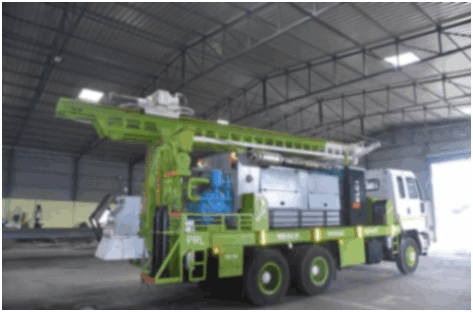
Buying used equipment can help businesses manage their budgets, but a lower purchase price does not always mean lower operating costs. For mining, construction, and water exploration projects, drilling machinery must perform reliably under demanding conditions. Anyone considering a refurbished water drilling machine for sale should look beyond its appearance and advertised specifications to understand its condition, service history, and expected performance.
Refurbished equipment can offer practical value when it has been properly inspected and restored. However, overlooking important details may lead to unexpected repairs, production delays, and safety concerns. Understanding the following nine risks can help buyers make more informed decisions.
1. Incomplete Maintenance Records
A machine’s service history provides valuable information about how it has been operated and maintained. Missing records can make it difficult to determine whether scheduled servicing, component replacements, and previous repairs were completed correctly when evaluating a drilling rig machine.
Buyers should request available maintenance logs, repair invoices, inspection reports, and details about major component changes. The previous working environment is also relevant because abrasive rock, heavy workloads, and poor maintenance practices can accelerate deterioration.
When records are incomplete, a more thorough technical inspection becomes especially important.
2. Unverified Refurbishment Quality
The term refurbished can describe different levels of work. One machine may have received extensive mechanical repairs and component replacements, while another may have undergone only cosmetic improvements.
Buyers should ask which parts were inspected, repaired, replaced, or retained during refurbishment. Written documentation can clarify the scope of the work and help distinguish a comprehensive restoration from a limited repair.
Where possible, request evidence of completed testing and an explanation of any remaining limitations. Clear information reduces uncertainty about the machine’s actual condition.
3. Hydraulic And Power System Problems
Hydraulic and power systems are essential to many drilling operations. When evaluating a refurbished water drilling machine for sale, buyers should pay close attention to the condition of pumps, hoses, valves, motors, and engine components, as faults can affect machine movement and drilling performance.
Warning signs may include fluid leaks, overheating, inconsistent pressure, unusual noise, or difficulty maintaining normal operating functions. Some faults may remain unnoticed during a brief visual inspection.
A qualified technician should examine these systems and verify that they operate within the manufacturer’s specified limits. Identifying problems before purchase can help prevent expensive repairs after delivery.
4. Limited Spare Parts Availability
Even a well-maintained machine will eventually need replacement parts. Older models can present challenges if components are discontinued, difficult to source, or available only through limited distribution channels.
Long waits for essential parts can interrupt drilling schedules and increase project costs. Before purchasing, buyers should check the availability of common wear items, hydraulic components, drilling accessories, and model-specific parts.
It is also useful to understand whether compatible replacement components are available and whether their use meets the machine’s technical requirements.
Conclusion
Refurbished drilling equipment can be a practical investment when its condition, capabilities, and maintenance requirements are properly understood. Reviewing service records, inspecting critical systems, verifying specifications, and clarifying warranty terms can reduce uncertainty and help avoid costly surprises. Buyers should also assess whether the drilling rig machine meets their operational requirements and expected workload.
For businesses researching drilling machinery, Prime Rigs offers a starting point for exploring available equipment options. A careful comparison of technical requirements, refurbishment quality, and long-term support can help buyers choose machinery that fits their operational needs and budget.