
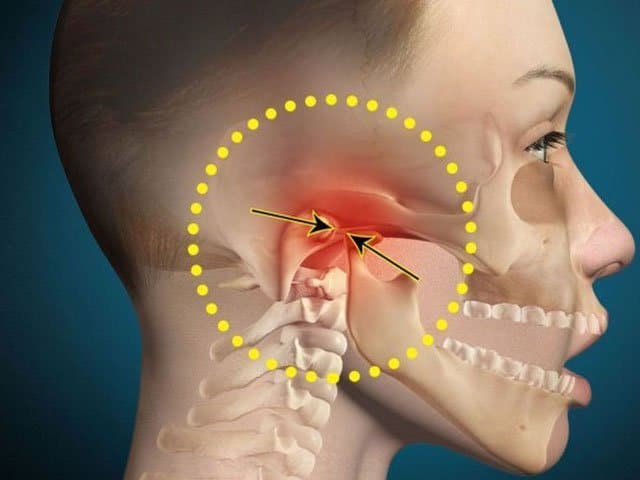
Jaw pain, headaches, and difficulty chewing are common signs of temporomandibular joint (TMJ) disorders, which can significantly affect daily life and overall well-being. Consulting a professional ensures accurate diagnosis, effective treatment, and long-term relief. Early evaluation and proper management are key to preventing chronic discomfort and restoring normal jaw function.
Patients often seek professional guidance from a TMJ Doctor to receive a personalized treatment plan that addresses the underlying causes of TMJ disorders. With expert care, individuals can experience relief from pain, improved jaw function, and a better quality of life.
Understanding TMJ Disorders
The temporomandibular joint connects the lower jaw to the skull, allowing for movements essential for talking, chewing, and yawning. TMJ disorders occur when these joints or the surrounding muscles become strained, inflamed, or misaligned.
Common symptoms of TMJ disorders include:
- Persistent jaw pain or tenderness
- Clicking, popping, or grinding sounds during jaw movement
- Limited jaw mobility or jaw locking
- Facial pain, earaches, or headaches
- Difficulty chewing or opening the mouth fully
Although some cases may be mild, chronic TMJ issues can lead to long-term complications if left untreated.
Causes of TMJ Disorders
Several factors can contribute to TMJ disorders:
Jaw Injuries
Trauma from accidents, falls, or blows to the jaw can damage joints, muscles, or ligaments, resulting in pain and dysfunction.
Teeth Grinding and Clenching
Bruxism, or habitual teeth grinding and clenching, places excess stress on the temporomandibular joint, leading to inflammation and discomfort.
Arthritis
Osteoarthritis or rheumatoid arthritis can deteriorate the joint over time, causing pain, stiffness, and reduced range of motion.
Bite Misalignment
Malocclusion, or misaligned teeth, can create uneven pressure on the jaw, exacerbating TMJ problems.
Muscle Tension and Stress
Emotional stress often increases jaw muscle tension, contributing to TMJ flare-ups and prolonged discomfort.
How a TMJ Doctor Diagnoses Disorders
Accurate diagnosis is crucial for effective treatment. A TMJ doctor typically conducts:
- Physical examination to assess jaw movement, alignment, and joint sounds
- Palpation to identify tender or tight muscles
- Imaging such as X-rays, MRI, or CT scans to evaluate joint structure
- Functional and bite analysis to understand jaw mechanics
A thorough evaluation ensures the root cause of the disorder is identified and helps create a personalized treatment plan.
Treatment Options Offered by a TMJ Doctor
Treatment strategies vary depending on the severity, underlying cause, and patient-specific needs. Often, a combination of therapies provides the best results.
Non-Invasive Treatments
Mild to moderate TMJ disorders are often treated conservatively:
- Medications: Anti-inflammatory drugs, pain relievers, or muscle relaxants reduce pain and swelling
- Jaw Exercises: Stretching and strengthening exercises improve mobility and reduce muscle tension
- Heat or Cold Therapy: Warm compresses or ice packs relieve discomfort and inflammation
- Stress Management: Relaxation techniques reduce jaw tension and prevent flare-ups
- Mouthguards or Splints: Custom devices protect teeth, reduce grinding, and relieve joint pressure
Minimally Invasive Treatments
For persistent symptoms, minimally invasive procedures may be recommended:
- Injections: Corticosteroid or Botox injections reduce inflammation and muscle tightness
- Arthrocentesis: Flushing the joint with fluid removes debris and eases discomfort
Surgical Options
Surgery is considered for severe or chronic TMJ disorders:
- Arthroscopy: Small instruments repair or remove damaged tissue within the joint
- Open-Joint Surgery: In rare cases, reconstruction or replacement of the joint restores function and alleviates pain
Benefits of Consulting a TMJ Doctor
Working with a qualified TMJ doctor offers numerous advantages:
Effective Pain Relief
Professional care targets jaw pain, headaches, and facial discomfort efficiently.
Restored Jaw Function
Treatment restores normal chewing, speaking, and jaw mobility, enhancing everyday life.
Prevention of Long-Term Damage
Timely intervention helps prevent joint degeneration, chronic inflammation, and secondary dental issues.
Improved Quality of Life
Relieving pain and restoring function contributes to better sleep, reduced stress, and overall well-being.
Self-Care and Lifestyle Adjustments
In addition to professional treatment, patients can adopt self-care measures to manage symptoms and prevent flare-ups:
- Avoid hard, sticky, or chewy foods that strain the jaw
- Apply warm compresses or ice packs for temporary relief
- Practice relaxation techniques to reduce muscle tension
- Maintain good posture to minimize stress on the neck and jaw
- Follow a soft diet during acute pain episodes
These practices complement professional care and enhance long-term outcomes.
When to Seek a TMJ Doctor
Patients should seek professional help if they experience:
- Persistent or worsening jaw pain
- Frequent clicking, popping, or jaw locking
- Difficulty chewing, biting, or speaking
- Recurring headaches, earaches, or facial pain
Early evaluation ensures accurate diagnosis, effective treatment, and prevention of more serious complications.
Conclusion
Temporomandibular joint disorders can significantly affect daily life, causing pain, limited jaw function, and stress-related discomfort. Consulting a TMJ Doctor provides expert evaluation, personalized treatment, and long-term management.
From conservative care and minimally invasive procedures to surgical solutions in severe cases, treatment is customized to the patient’s condition. Combined with self-care strategies, professional TMJ care ensures effective symptom relief, restored jaw function, and improved quality of life.