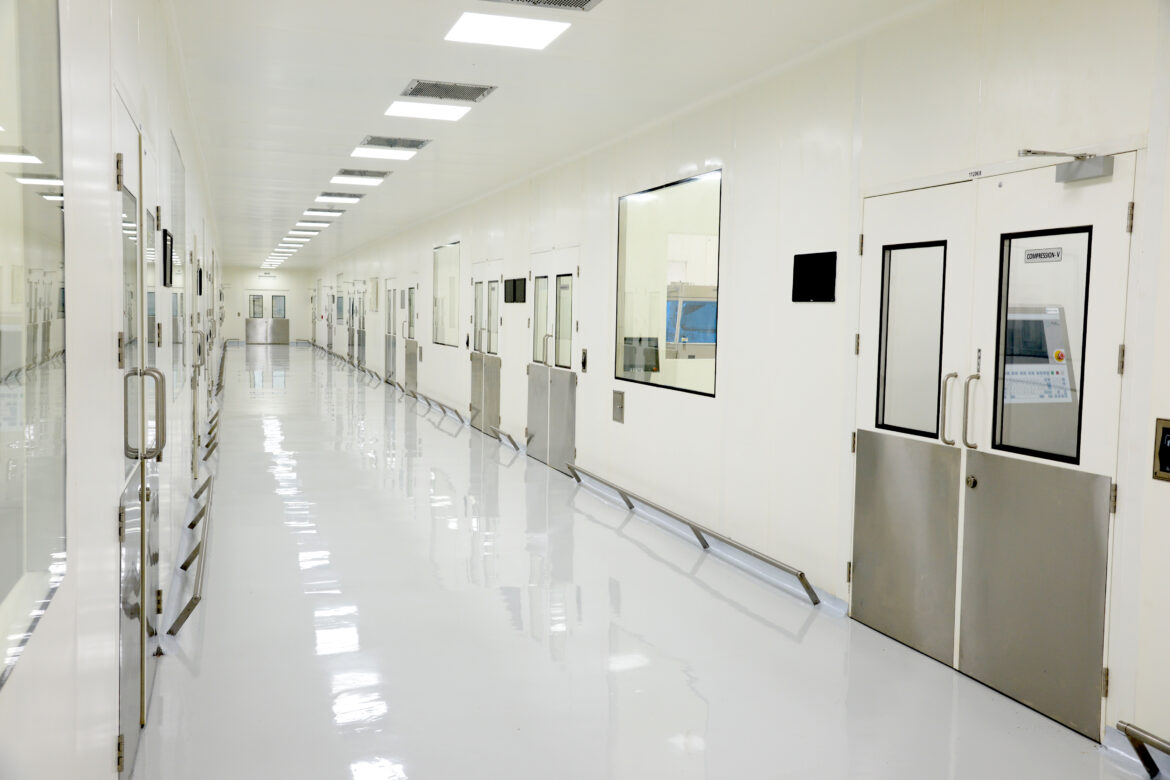
Cleanroom facilities are highly specialized environments required in industries such as pharmaceuticals, biotechnology, semiconductors, and medical device manufacturing. These facilities must maintain strict environmental conditions to prevent contamination and ensure regulatory compliance. Because of their complexity, cleanroom development requires a structured and carefully managed process.
A streamlined approach such as a Cleanroom Turnkey Project combines all phases of development into one coordinated delivery system, helping ensure efficiency, quality, and compliance from start to finish.
Phase 1: Requirement Analysis and Feasibility Study
Every turnkey cleanroom project begins with a detailed analysis of the client’s requirements. This phase is essential because it defines the technical and operational foundation of the entire facility.
During this stage, project teams evaluate:
- Industry-specific compliance requirements (ISO, GMP, etc.)
- Production or research workflow needs
- Required cleanliness classification levels
- Available space and site conditions
- Budget and timeline expectations
A feasibility study is also conducted to ensure the proposed design is practical, cost-effective, and compliant with regulations.
Phase 2: Conceptual Design and Layout Planning
Once requirements are defined, the project moves into conceptual design. This phase translates operational needs into a preliminary cleanroom layout.
Engineers focus on creating an efficient spatial arrangement that supports both workflow and contamination control. Key design elements include room zoning, material flow, and personnel movement patterns.
Important considerations include:
- Separation of clean and non-clean areas
- Logical workflow direction to minimize contamination risks
- Initial HVAC airflow strategy
- Equipment placement planning
This phase ensures that the cleanroom concept aligns with operational goals before detailed engineering begins.
Phase 3: Detailed Engineering and System Integration
After conceptual approval, detailed engineering is developed. This is one of the most critical phases in a Cleanroom Turnkey Project, as all technical systems are fully defined and integrated.
Mechanical, electrical, and structural engineering teams collaborate closely to ensure system compatibility.
Key engineering tasks include:
- HVAC system design for airflow and pressure control
- Electrical system planning for equipment and backup power
- Cleanroom material selection and surface specification
- Utility routing and infrastructure planning
System integration is carefully managed to ensure that all components work together seamlessly once installed.
Phase 4: Procurement and Prefabrication
Once the design is finalized, procurement begins. Materials, equipment, and cleanroom components are sourced according to project specifications.
In modern turnkey projects, prefabrication plays a major role in improving efficiency and quality. Cleanroom panels, modular structures, and certain mechanical components are manufactured in controlled factory environments.
This phase offers several advantages:
- Improved manufacturing precision
- Reduced on-site construction time
- Better quality control of components
- Fewer installation errors during assembly
Phase 5: On-Site Construction and Installation
After prefabricated components are ready, on-site construction begins. This phase involves assembling the cleanroom structure and installing all supporting systems.
Typical activities include:
- Installation of modular wall and ceiling systems
- HVAC system setup and ductwork installation
- Electrical wiring and control system integration
- Flooring, sealing, and finishing work
Because most components are pre-engineered, installation is faster and more organized compared to traditional construction methods.
Phase 6: Testing, Validation, and Compliance Checks
Validation is a critical step in ensuring the cleanroom meets required performance and regulatory standards. Without proper validation, the facility cannot be certified for use.
This phase includes comprehensive testing such as:
- Airflow and pressure differential testing
- Particle count measurement and classification
- HEPA/ULPA filter efficiency verification
- Temperature and humidity stability checks
Validation ensures the cleanroom complies with ISO standards, GMP guidelines, and industry-specific requirements.
Phase 7: Commissioning and Final Handover
Once validation is successfully completed, the facility enters the commissioning phase. This involves final system checks and preparation for operational use.
During commissioning, teams verify that:
- All systems operate according to design specifications
- Monitoring and control systems are fully functional
- Safety systems are properly tested
- Operational documentation is complete
After this stage, the cleanroom is officially handed over to the client as a fully operational facility.
Phase 8: Post-Project Support and Optimization
Many turnkey providers also offer post-handover support to ensure long-term performance and reliability. This may include maintenance services, system optimization, and periodic revalidation.
Ongoing support helps ensure:
- Stable environmental performance
- Compliance with updated regulations
- Reduced downtime and maintenance issues
- Improved operational efficiency over time
Conclusion
A Cleanroom Turnkey Project follows a structured series of phases that ensure precision, efficiency, and compliance at every stage. From initial planning and engineering to validation and final handover, each step is carefully coordinated to deliver a fully functional cleanroom facility.
By integrating all phases into a single managed process, organizations can achieve faster project delivery, improved quality control, and reliable long-term performance in highly regulated environments.