In the competitive world of watch retail, the difference between a browsing customer and a buying customer often comes down to presentation. A high-converting setup is not just about aesthetics; it is about guiding attention, communicating value, and shaping perception. Watches are emotional purchases, and customers rely heavily on visual cues to evaluate quality, style, and brand trust before making a decision. A well-planned display can quietly influence these decisions and significantly improve conversion rates.
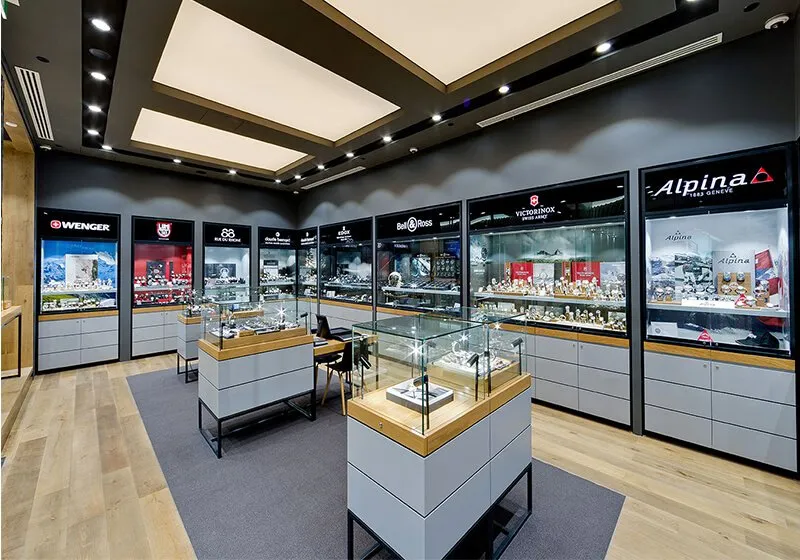
A thoughtfully designed Retail Watch Display plays a central role in this process, as it helps structure the customer journey from curiosity to purchase. When watches are presented in an organized, visually balanced, and strategically lit environment, they naturally attract more attention and encourage deeper exploration. Retailers who invest in effective display setups often see improved engagement, longer in-store dwell time, and higher sales per visitor.
The Role of Visual Hierarchy in Watch Displays
One of the most important aspects of a high-converting setup is visual hierarchy. Customers should instinctively know where to look first, what is most important, and how to navigate the collection.
Effective visual hierarchy can be created through:
- Strategic lighting that highlights premium models
- Center placement of best-selling or new arrivals
- Elevated positioning for high-value pieces
- Subtle contrast between background and product
When executed properly, visual hierarchy reduces confusion and directs attention toward the most profitable items.
Why Customer Psychology Matters in Display Design
Understanding customer psychology is essential for improving conversion rates. Watch buyers often associate presentation quality with product value. A poorly arranged display can make even luxury watches appear less desirable, while a refined setup enhances perceived exclusivity.
Customers also experience decision fatigue when overwhelmed with too many unorganized options. A structured display simplifies comparison and reduces hesitation. This clarity helps buyers feel more confident in their choice, which is a key factor in final purchase decisions.
Additionally, emotional triggers such as aspiration and status play a major role. Watches are not just functional items; they are personal statements. A well-designed display taps into these emotions by presenting products in a way that feels premium and desirable.
Key Elements of a High-Converting Setup
Several physical and design elements contribute directly to display effectiveness. Each component works together to create a seamless customer experience.
Important elements include:
- Lighting design: Enhances dial details, metal finishes, and overall appeal
- Material selection: Glass, wood, and metal contribute to a premium impression
- Spacing strategy: Prevents overcrowding and improves product focus
- Color balance: Neutral tones help watches stand out clearly
- Security integration: Builds trust while maintaining accessibility
These details may seem small individually, but together they significantly influence buying behavior.
How Layout Impacts Conversion Rates
Layout is one of the strongest drivers of conversion in retail environments. A logical flow encourages customers to move naturally through the collection without feeling lost or overwhelmed. Displays should be arranged in a way that tells a visual story, often starting with entry-level models and gradually transitioning toward premium selections.
Circular or segmented layouts often work well in watch retail spaces because they allow customers to compare styles easily. Meanwhile, linear layouts are effective for highlighting collections or brand-specific segments.
The goal is to reduce friction in the decision-making process while maximizing product visibility.
Enhancing Engagement Through Product Storytelling
A high-converting watch display does more than present products—it tells a story. Customers are more likely to connect with watches when they understand the craftsmanship, heritage, or design inspiration behind them.
Storytelling can be incorporated through:
- Brand history panels or subtle signage
- Highlighting craftsmanship details such as movement type
- Displaying limited editions or signature collections
- Using themed arrangements for specific watch categories
This approach transforms a simple browsing experience into an engaging journey, increasing emotional connection and purchase intent.
Best Practices for Optimizing Watch Displays
Retailers can improve conversion rates by continuously refining their display strategy. Consistency and attention to detail are key.
Effective practices include:
- Regularly rotating featured products to maintain freshness
- Keeping displays clean and free of visual clutter
- Updating lighting to match seasonal or branding changes
- Highlighting promotional or high-margin items strategically
- Observing customer interaction patterns and adjusting layout accordingly
Small improvements in presentation often lead to measurable increases in sales performance.
Conclusion
A high-converting retail watch display setup is the result of careful planning, psychological understanding, and strong visual design. Every element—from lighting and layout to storytelling and spacing—contributes to how customers perceive value and make decisions. In a market where perception drives purchase behavior, optimizing display strategy is not optional; it is essential. Retailers who focus on structured, visually appealing, and customer-centric presentation are far more likely to turn interest into actual sales.