
Consumers are exhausted. Not physically. Spiritually. They’re tired of being sold to. Tired of empty promises. Tired of brands that care only about profit.
Enter wellness marketing. This isn’t about selling yoga mats or meditation apps. It’s about brands fundamentally rethinking their relationship with customers. It’s about marketing that heals instead of manipulates.
In 2026, the brands winning aren’t the loudest. They’re the most conscious. They’re the ones who’ve understood that modern customers don’t want products. They want transformation. They want meaning. They want to align with brands that reflect their values.
The Wellness Marketing Revolution
Wellness marketing isn’t new. But its application to mainstream brands is revolutionary. Five years ago, only yoga studios and meditation apps talked about mindfulness. Now everyone does.
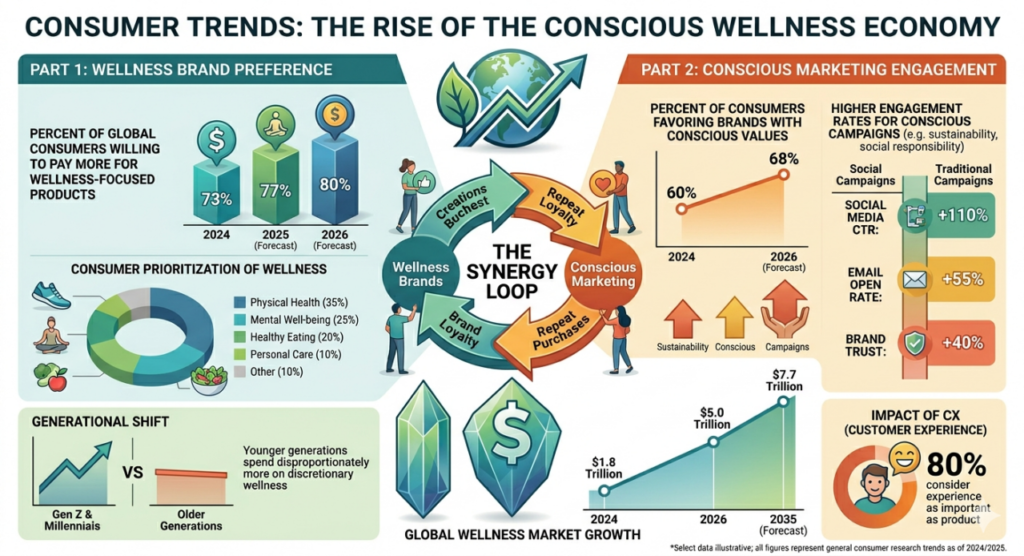
What’s shifted? Consumer priorities. Mental health has become mainstream. Burnout is recognized. Stress is understood as epidemic. Brands that acknowledge this reality and offer solutions win loyalty that traditional marketing can’t buy.
Statistics reveal the scale: 79% of consumers now prioritize mental wellness when choosing brands. Wellness-focused marketing generates 3x higher engagement than traditional marketing. Conscious brands see 23% higher customer retention.
This isn’t marketing trend. It’s a fundamental reset in how brands communicate value.
Why Authenticity Is the New Currency
Consumers can smell fakeness instantly. A brand claiming mindfulness while exploiting workers? People notice. A company promoting wellness while harming the environment? Customers call it out.
Authenticity isn’t optional in 2026. It’s essential. The brands thriving are those genuinely aligned with their values. Their marketing tells the truth. Their operations reflect their messaging.
This creates pressure on brands to actually be what they claim. You can’t market wellness while treating employees poorly. You can’t promote mindfulness while extracting profit at all costs. The disconnect gets exposed immediately on social media.
Wisest brands are using this as motivation to change internally first, then market externally. The marketing becomes honest because the company actually is conscious.
Conscious Storytelling: Moving Beyond Advertising
Advertising sells products. Storytelling creates meaning. Brands in 2026 are discovering that conscious storytelling outsells traditional advertising every time.
Consider the difference. Traditional ad: “Buy this yoga mat. You’ll be more flexible.” Conscious story: “This woman was burned out. She bought our yoga mat. Three months later, she’d rebuilt her entire life around presence and peace. She recommends it not because it’s flexible, but because it changed her relationship with herself.”
One is transaction. One is transformation. Customers connect with transformation stories. They remember them. They share them. They become brand advocates because the story resonated with their own journey.
When you practice yoga teacher training in Rishikesh India, you witness thousands of transformation stories. Lives rebuilt. Careers redirected. Relationships healed. These stories are marketing gold because they’re true. They’re powerful. They reflect genuine transformation.
Brands using conscious storytelling report 5x higher emotional engagement and 2x more referrals than brands using traditional advertising.
The Mindfulness Economy: What Brands Understand Now
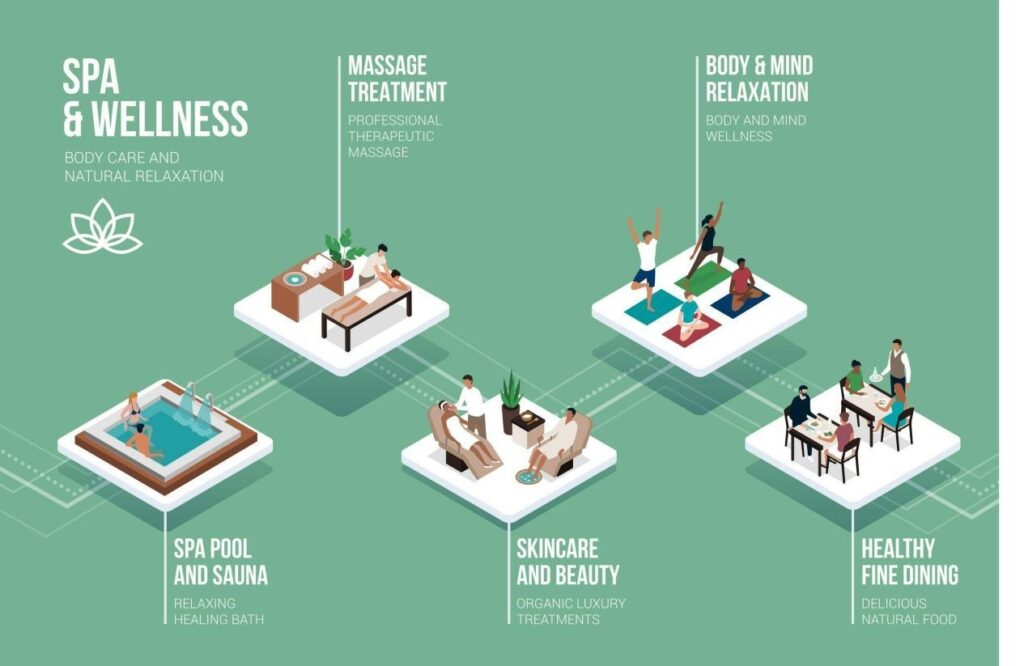
There’s an economy built entirely around mindfulness now. Meditation apps. Ayurveda wellness retreats. Yoga studios. Sound healing. Breathwork coaches. This wasn’t significant ten years ago. Now it’s massive.
But here’s what savvy brands understand: the mindfulness economy isn’t just about selling wellness products. It’s about understanding that modern life is overwhelming. Brands that acknowledge this and offer breathing room—literally or figuratively—create loyalty.
A tech brand that promotes digital detox days builds trust. A fashion brand that uses sustainable materials acknowledges mindfulness about environmental impact. A food brand that focuses on nourishment instead of restriction taps into wellness consciousness.
The mindfulness economy operates on different principles than traditional markets. Speed doesn’t matter. Authenticity does. Profit maximization doesn’t matter. Purpose does. Connection matters more than conversion.
Brands learning to operate by these principles in this economy are redefining what success looks like.
Building Trust Through Values Alignment
Trust is the currency that matters most now. You can’t manufacture it. You build it by demonstrating values alignment over time.
Brands that are transparent about their impact build trust. Brands that admit mistakes and correct them build trust. Brands that prioritize employee wellbeing alongside customer wellbeing build trust.
Values alignment means your marketing reflects your actual operations. Your sustainability claims match your manufacturing practices. Your wellness promotion matches your workplace culture. Your mindfulness messaging matches your decision-making ethics.
When alignment exists, customers feel it. They trust the brand. They stay loyal even when competitors offer lower prices. They defend the brand to others because the brand reflects their own values.
This is why conscious brand marketing actually works economically. Trust drives loyalty. Loyalty drives long-term revenue. Values alignment builds trust faster than any advertising campaign.
Real Examples of Wellness-First Brands
Patagonia: Built a brand around environmental consciousness. Markets honestly about impact. Customers stay loyal despite premium pricing because values align.
Lululemon: Started as yoga apparel. Expanded into wellness lifestyle brand. Success comes from understanding customer wellness journey, not just selling pants.
Headspace: Meditation app that markets mindfulness as essential, not luxury. Made meditation mainstream through authentic storytelling about mental health.
Ben & Jerry’s: Ice cream company marketing social justice values. Customers connect because values alignment is genuine. Profits follow purpose.
Everlywell: Home health testing company positioned as wellness accessibility. Marketing emphasizes empowerment and control over your health journey.
What connects these brands? Genuine values. Authentic storytelling. Long-term thinking instead of quarterly profits. Marketing that reflects actual business operations.
The ROI of Purpose-Driven Marketing
Here’s what CFOs need to understand: purpose-driven marketing generates better financial returns than traditional marketing. Not eventually. Immediately.
Brands with strong purpose statements see 37% higher customer loyalty. Purpose-driven campaigns generate 5x higher engagement rates. Conscious brands outperform on employee retention by 23%.
Why? Because purpose creates emotional connection. Emotional connection drives behavior. People spend money and time on brands they feel connected to emotionally.
Traditional marketing tries to create emotional connection through manipulation. Conscious marketing creates it through alignment. Through honesty. Through demonstrating that the brand cares about something beyond profit.
The ROI math is straightforward: higher engagement + better retention + increased referrals = stronger revenue growth with lower customer acquisition costs. Purpose-driven marketing is financially superior to traditional marketing.
Brands that haven’t figured this out yet are leaving significant revenue on the table.
The Future of Marketing Is Conscious
Traditional marketing will continue. But it will become increasingly less effective. The future belongs to brands that understand this fundamental truth: modern customers want meaning, not manipulation.
Wellness and mindfulness aren’t trends. They’re indicators of what customers actually value. Brands that learn this language. Brands that operate authentically from this place. Brands that build marketing on genuine values alignment. These are the brands winning in 2026 and beyond.
The brands that don’t adapt? They’ll face increasing customer skepticism. Decreasing loyalty. Shrinking market share. Not because their products are bad. But because their marketing will feel hollow in a world demanding authenticity.
The future of marketing is conscious because the future of consumers is conscious. They want brands that reflect their values. That acknowledge reality. That offer genuine transformation, not false promises.
This is the revolution. And it’s already here.
FAQs: Brands and Wellness Strategy
Q: Can any brand authentically market wellness?
A: Only if they’re genuinely committed to it. Wellness marketing requires values alignment. If your operations don’t reflect your messaging, customers will discover it and trust erodes.
Q: How do we start transitioning to wellness-focused marketing?
A: Start internally. Audit your actual values. Improve employee wellness first. Then market authentically based on that reality. Don’t market values you haven’t lived yet.
Q: Is wellness marketing more expensive?
A: No. Conscious storytelling actually costs less than traditional advertising while generating better results. The investment is in authenticity, not in ad spend.
Q: How do we measure success in purpose-driven marketing?
A: Track emotional engagement metrics (shares, comments, time spent). Monitor customer loyalty (repeat purchase rates, referral rates). Measure employee satisfaction. All three indicate marketing effectiveness.
Q: What if we don’t have a clear purpose yet?
A: That’s honest. Start by getting clear on your actual values. Involve employees. Involve customers. Purpose emerges from genuine alignment, not from a marketing department inventing one.