Separating a flange joint during maintenance is not always a matter of simply creating enough space to remove a gasket. Access can be restricted, the joint may have remained closed for years, and there may be little room for tools around the flange. In such conditions, selecting the right flange spreader depends on how much separation is needed, how much force the joint can demand, and how easily the equipment can be positioned.
Start With the Joint, Not Just the Tool
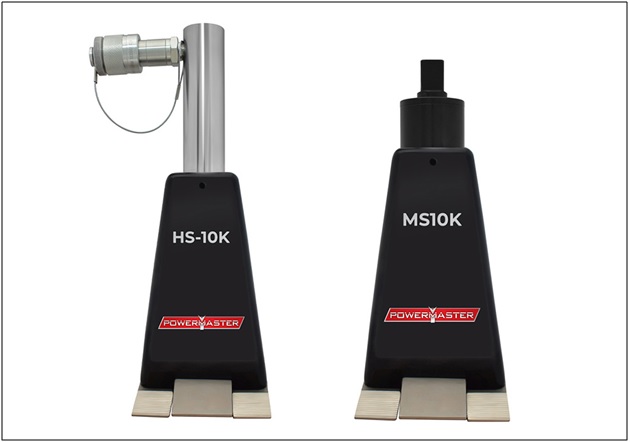
Mechanical flange spreaders use a manually operated mechanism to generate spreading force. They are often practical when the joint can be opened with moderate force and the work area allows an operator to position and operate the tool comfortably.
For routine maintenance, this simplicity can be useful. There is no hydraulic power source to arrange, and the tool can be handled directly at the flange. A mechanical option may suit occasional jobs where portability and straightforward operation matter more than high force output.
The condition of the joint still needs attention. Corrosion, gasket adhesion, uneven loading, or a flange that has been undisturbed for a long period can make separation harder than expected. A manually operated tool may not be the sensible choice if considerable force is likely to be required.
When More Force and Control Become Necessary
Hydraulic systems approach the same task differently. Pressure generated within the system drives the spreading mechanism, allowing considerably higher force to be applied with less manual effort. For demanding maintenance work, that can change how the job is approached.
Hydraulic flange spreaders can be better suited to larger or stubborn flange joints where controlled separation is required. They are also useful when the maintenance team needs to repeat similar spreading operations across a shutdown or plant maintenance programme.
Control matters as much as force. Gradual movement can help technicians manage the opening of a joint rather than relying on sudden or uneven movement. The surrounding equipment, however, must still be considered because hydraulic setups can require pumps, hoses, and sufficient space for positioning.
Space and Access Can Change the Decision
A high-force tool is not automatically the better tool if it cannot be positioned properly. Tight pipe racks, nearby structures, insulation, or restricted access can influence which equipment is practical.
Mechanical spreaders may be convenient where access is limited and the required spreading force remains within the tool’s working range. Hydraulic equipment can make more sense where there is enough room for the complete setup and the job calls for greater force or repeated controlled movement.
Conclusion
The frequency of use also deserves consideration. A workshop handling occasional flange separation may value a simple tool that is easy to carry, position, and operate. A maintenance team regularly working on heavy process equipment may have different priorities, particularly when difficult joints and higher separation forces are common.
The choice between the two should therefore come from the actual maintenance conditions rather than a general preference for mechanical or hydraulic equipment. Companies such as Powermaster offer flange spreading solutions for industrial applications, giving buyers another option to consider when matching equipment to their work requirements. Before selecting a tool, assess the flange condition, available access, required force, frequency of use, and the level of control needed. Those factors provide a much clearer basis for choosing equipment that fits the job.