When we talk about windows and doors, the conversation usually revolves around glass. Double glazing, energy ratings, views—it’s all about what you see through them. But here’s the thing. The frames themselves are just as important, if not more so, in shaping how a space actually feels.
Think about it. Frames are the boundary between inside and outside. They’re the visual anchor for your views and a major player in your home’s overall design language. The profile, material, and colour of your window and door frames do more than just hold glass in place. They actively influence the mood, style, and architectural character of your home.
Let’s look at how these often-overlooked elements can transform your space.
Frame Profiles: The Shape of Things to Come
The thickness and shape of a window frame have an immediate visual impact. A slim, minimalist profile creates a clean, contemporary look that maximises the visible glass area. It’s perfect for modern homes where you want the view to take centre stage.
On the other hand, more substantial frames add presence and structure. They feel solid and intentional, which suits heritage or character homes beautifully. The profile you choose affects whether a window feels refined and delicate or bold and architectural.
Well-proportioned frames create balance. They make sure your windows feel like a deliberate design choice rather than just a hole in the wall. That balance is what separates a house that looks thrown together from one that feels thoughtfully planned.
Material Choices: The Personality of Your Home
The material you choose for your frames is one of the most significant design decisions you’ll make. It sets the tone for the entire home.
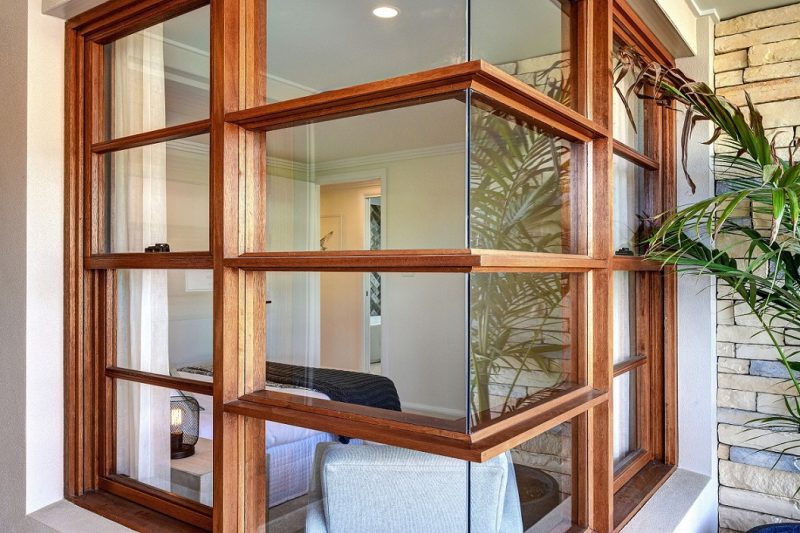
Timber brings warmth and natural character that’s hard to replicate. It adds depth and texture to interiors and is deeply connected to traditional and heritage aesthetics. According to Valley Windows, timber has always held a special place in their heart—it’s what they originally manufactured back in 1983.Timber windows and doors offer that timeless appeal that feels simultaneously classic and inviting.
Aluminium, by contrast, is the modern choice. Its clean lines and sleek finishes are the hallmark of contemporary and minimalist architecture. It provides strength, durability, and a refined look that’s hard to beat. Modern design often favours aluminium for its ability to create those stunning, expansive glass walls that blur the line between indoors and out.
Your choice between these materials should reflect your overall design vision. Consistency is key. If you’re aiming for a cohesive home, the frame material should flow naturally from room to room and from inside to outside.
Colour and Finish: The Final Stroke
Here’s where things get interesting. Frame colour is often underestimated, but it’s a powerful design tool.
Lighter frames can make a room feel larger and airier by reflecting natural light. They’re a fantastic choice for smaller spaces or darker rooms where you want to maximise brightness. On the other hand, darker frames create contrast and definition, highlighting window shapes and framing views like artwork.
Choosing a cohesive colour palette for your frames is essential for tying your home together. A coordinated scheme—whether it’s classic black, crisp white, or a warm neutral—helps different window styles feel like part of a unified family rather than a collection of random elements.
It’s worth thinking long-term here. Rooms get redecorated, but windows and doors stick around for decades. Choose frame colours and finishes that are timeless enough to work with evolving interior styles.
Framing as an Architectural Feature
In some homes, frames are designed to disappear. In others, they become key architectural features in their own right.
Vertical lines in frames can emphasise ceiling height. Defined edges can add rhythm to a wall. Consistent frame detailing helps support transitions between rooms and zones. When frames are thoughtfully integrated, they help define how spaces are experienced.
Consider the difference between a standard rectangular window and a uniquely shaped one. Some homeowners are now choosing sculpted hexagon or circular windows that become talking points and timeless architectural features.
Bringing It All Together
Ultimately, window and door frames sit at the intersection of design and performance. They support both visual appeal and practical requirements. By considering profile, material, colour, and consistency, you can ensure your frames enhance your home’s interior style while reinforcing its architectural character.
Valley Windows offers custom solutions in both timber and aluminium, with an extensive catalogue of styles to choose from. They’ve been crafting custom windows and doors since 1983, giving them decades of experience in helping homeowners find frames that truly complement their space. Whether you’re drawn to the warmth of timber or the sleekness of aluminium, the right frame can transform your home from ordinary to extraordinary.