
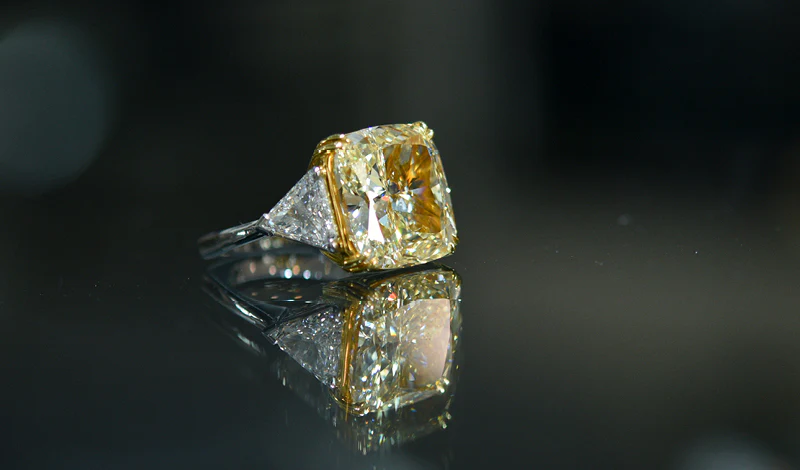
Introduction to Yellow Diamonds
Yellow diamonds are among the most admired fancy-colored diamonds in the jewelry world. Their warm, vibrant hue makes them a popular choice for engagement rings, luxury pieces, and statement jewelry. These diamonds come in two main types: natural yellow diamonds formed deep within the earth over millions of years, and lab grown yellow diamonds created in controlled laboratory environments using advanced technology.
While both types share the same physical and chemical structure, they differ in origin, pricing, availability, and certain value perceptions. Understanding these differences helps buyers make informed decisions based on budget, ethics, and design preferences.
Formation and Origin Differences
Natural yellow diamonds are formed under extreme pressure and temperature conditions deep within the earth’s mantle over billions of years. Their yellow color is typically caused by nitrogen atoms that become trapped in the crystal structure during natural formation. Because of their rarity and long formation process, natural yellow diamonds are considered highly valuable.
In contrast, lab grown yellow diamonds are produced in a matter of weeks using methods such as High Pressure High Temperature (HPHT) or Chemical Vapor Deposition (CVD). These methods replicate natural diamond-growing conditions in a controlled environment.
yellow lab grown diamonds are chemically identical to mined diamonds, meaning they share the same hardness, brilliance, and optical properties. The only difference lies in their origin—natural versus laboratory-created.
Color Consistency and Appearance
One of the key differences between natural and lab grown yellow diamonds is color consistency. Natural yellow diamonds often vary in shade due to irregular nitrogen distribution during formation. This means each stone is unique, but also less predictable in terms of color uniformity.
Lab grown yellow diamonds, on the other hand, offer greater control over color intensity. Because they are created in a controlled environment, manufacturers can produce stones with consistent and repeatable color grades. This makes them especially appealing for designers who need matching stones for jewelry sets or collections.
Both types can range from light lemon shades to deep fancy vivid yellow tones, but lab grown diamonds generally offer more uniformity within batches.
Price Differences and Affordability
Price is one of the most significant differences between lab grown and natural yellow diamonds. Natural yellow diamonds are rare, and their value is influenced by scarcity, mining costs, and market demand. As a result, they tend to be significantly more expensive.
Lab grown yellow diamonds are more affordable because they can be produced more efficiently and in larger quantities. This allows buyers to access larger stones or higher color grades within the same budget.
For many consumers, this price difference makes lab grown diamonds an attractive option, especially for fashion jewelry or engagement rings where size and appearance are important factors.
Rarity and Value Perception
Natural yellow diamonds are considered rare gemstones, especially those with strong, vivid color saturation. Their rarity contributes to their long-term value and collector appeal. Many investors and luxury buyers prefer natural diamonds due to their historical significance and perceived exclusivity.
Lab grown diamonds, while identical in structure and appearance, are not rare in the same way. They can be produced on demand, which affects their resale value and market perception. However, their value lies in affordability, ethical sourcing, and accessibility rather than scarcity.
Both types serve different purposes in the market depending on buyer priorities.
Ethical and Environmental Considerations
Ethical sourcing is an important factor in modern diamond purchasing decisions. Natural diamond mining can have environmental and social impacts, including land disruption and resource consumption. While many mining companies follow ethical practices today, concerns still exist in the industry.
Lab grown diamonds offer a more environmentally controlled alternative. Since they are created in laboratories, they do not require mining, which reduces environmental disturbance and resource extraction.
This makes lab grown diamonds an appealing choice for consumers who prioritize sustainability and ethical sourcing in their purchasing decisions.
Durability and Physical Properties
Both natural and lab grown yellow diamonds have identical physical and chemical properties. They score 10 on the Mohs hardness scale, making them extremely durable and suitable for everyday wear.
There is no difference in brilliance, sparkle, or resistance to scratching between the two. This means both options are equally suitable for engagement rings, earrings, necklaces, and other fine jewelry.
The distinction lies entirely in their origin and market perception, not in their physical performance.
Resale Value and Market Demand
Natural yellow diamonds generally hold higher resale value due to their rarity and established market demand. Collectors and investors often prefer natural stones for long-term value retention.
Lab grown diamonds, while more affordable initially, typically have lower resale value because they are not considered rare assets. However, their demand continues to grow as consumers become more focused on sustainability and cost efficiency.
Market trends show increasing acceptance of lab grown diamonds, especially in fashion-forward and budget-conscious segments.
Conclusion
Yellow lab grown diamonds and natural yellow diamonds each offer unique advantages depending on buyer priorities. Natural diamonds stand out for their rarity, historical value, and long-term investment appeal. Lab grown diamonds offer affordability, consistency, and ethical production benefits.
Both types share the same physical beauty and durability, making them equally suitable for fine jewelry. The choice ultimately depends on whether the buyer values rarity and tradition or accessibility and modern sustainability.