Clearing deposits out of industrial tubes is rarely a one-size-fits-all task. Loose debris often brushes away easily, but hardened scale, corrosion, and stubborn fouling demand purpose-built cleaning tools. Using poorly matched equipment eats up maintenance windows and can permanently gouge inner tube surfaces.
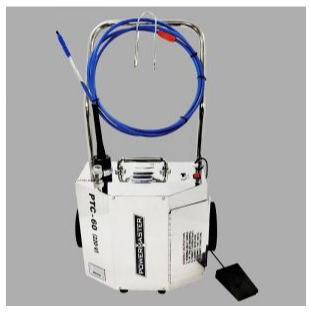
Choosing the right boiler tube cleaner machine depends heavily on the type of fouling inside, your exact tube dimensions, and how thorough a clean the application requires.
Why Do Different Industrial Deposits Require Different Cleaning Equipment?
Depending on service conditions, industrial tubes collect very different kinds of fouling. Boilers and heat exchangers typically form hard scale, while condensers trap sludge, rust, and loose particles.
Each deposit varies in thickness, hardness, and how tightly it clings inside the tube. A soft brush will not clear stubborn scale, just as heavy cutting heads are overkill for light residue.
Teams should evaluate the deposit type and tube condition first, so they choose an effective cleaning method without causing premature wear.
How Do You Select Tube Cleaning Equipment Based on Deposit Type?
The cleaning attachment plays an important role in determining how effectively a machine removes deposits. Different tools are designed to handle different levels of buildup.
Which Tools Work Best for Light Deposits?
For loose dust, soft sludge, or thin scale, rotary brushes get the job done cleanly. Nylon and wire brushes are offered in multiple designs to fit different tube metals and cleaning needs.
Attach these brushes to compatible cleaning machines to sweep internal surfaces clean. Choosing the right bristle type and brush diameter ensures firm contact around the entire tube wall.
What Equipment Is Suitable for Hardened Scale?
Tough, baked scale demands heavier cutting accessories. Carbide drills and cone cutters chip away stubborn deposits that regular brushes cannot budge.
They prove especially useful in heavy boiler cleaning jobs, where hard mineral layers form over months of service. Operators must pick the exact tool size and follow manufacturer guidelines to avoid scoring tubes.
How Do Tube Diameter and Length Affect Machine Selection?
Your tube measurements decide which machine, shaft, and brush or cutter can run properly. Oversized heads will not enter tight passages, and short shafts fall short of full tube runs.
Before ordering, teams should check:
- Inside tube diameter and length
- Straight versus curved layouts
- Needed shaft diameter and flexibility
- Scale thickness and cleaning depth
- Motor speed, torque, and operating limits
Flexible shafts carry rotation through bends, whereas electric or pneumatic units fit your shop’s power source and safety environment.
When Should Industries Choose Electric or Pneumatic Tube Cleaning Machines?
Electric tube cleaners fit routine plant maintenance well, providing consistent shaft drive and easy compatibility with multiple cleaning attachments. Pneumatic models make sense wherever compressed air is on tap or electrical tools pose safety hazards.
Weighing working conditions, required torque, portability, and plant safety rules helps teams choose a machine that keeps shutdown work moving smoothly.
Conclusion
Tube Cleaners builds electric and pneumatic tube cleaning systems, portable machines, flexible shafts, brushes, carbide drills, and purpose-built cleaning accessories. As an experienced tube cleaning machine manufacturer, the company delivers practical solutions for boilers, heat exchangers, condensers, and other industrial tubular assets.
Their broad catalog helps maintenance crews pair the right gear with specific tube dimensions and deposit types, streamlining job prep and maintaining peak plant efficiency.