Natural flooring materials can bring a different quality to an interior. Rather than relying entirely on uniform colours and synthetic textures, natural fibres introduce variation, warmth and a more tactile connection to the materials used within a room. Among these options, coir has a particularly distinctive character.
Made from the fibre found in coconut husks, coir has traditionally been associated with mats, brushes and practical household products. Its naturally coarse texture and durable character also make it an interesting material to consider for selected floorcovering applications, particularly where texture, practicality and a connection to natural materials are important.
For Australian homes and commercial interiors, Natural COIR Floorcovering can be considered as part of a broader flooring approach, especially in entrance areas, transition spaces and other locations where a robust natural texture can complement the design.
What Is Coir Floorcovering?
Coir is produced from the outer husk of coconuts. The fibres are separated, processed and formed into various products, including mats and floorcovering materials.
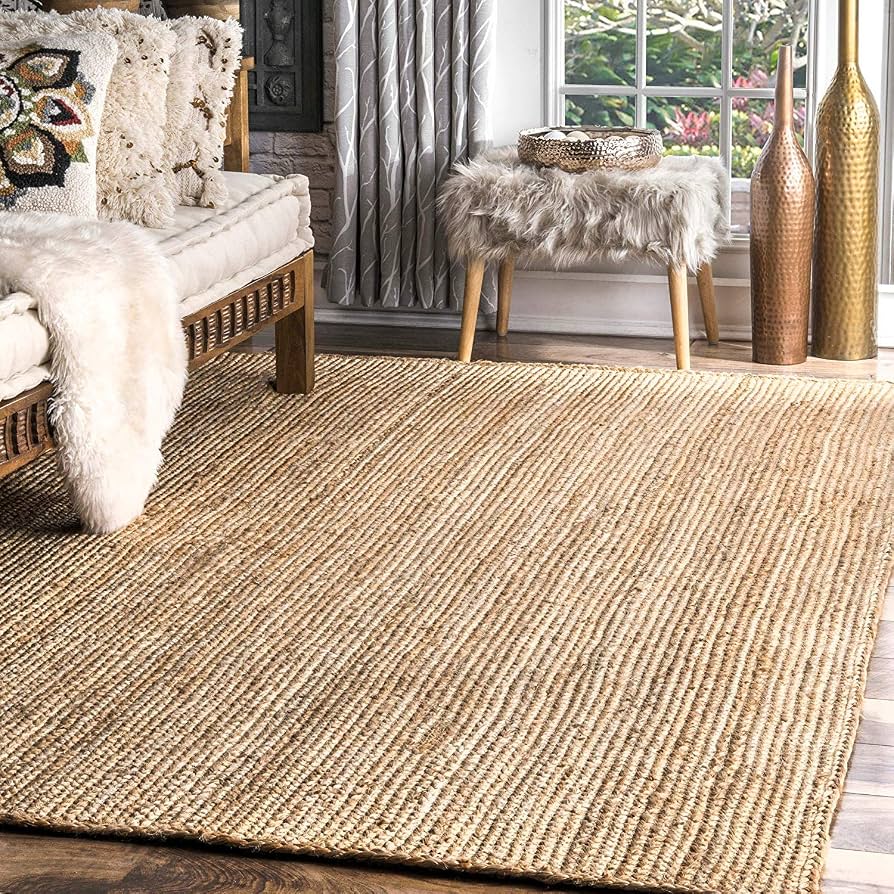
Unlike softer fibres such as jute or wool, coir has a noticeably firm and textured feel. This is one of its defining characteristics. The material does not attempt to imitate a perfectly smooth manufactured surface. Instead, its appeal comes from its natural irregularity and substantial texture.
The appearance can vary depending on how the fibre has been processed and woven. Natural shades can range from pale beige and golden tones through to deeper earthy colours.
This variation is part of the visual appeal of natural fibre flooring. Two areas may not appear completely identical, which can help create a more relaxed and organic interior.
Why Consider Coir for Flooring?
Flooring is one of the largest visual surfaces within a room, so the choice of material can influence the overall atmosphere considerably.
Coir offers a different aesthetic from conventional carpet and synthetic floor finishes. Its strong texture can introduce visual depth without requiring elaborate patterns or bold colours.
It can be particularly interesting where the interior design already uses:
- Timber furniture
- Natural stone
- Linen and cotton textiles
- Neutral wall colours
- Timber joinery
- Indoor plants
- Other natural fibre furnishings
The result can be an interior where the flooring becomes part of a broader natural material palette rather than appearing as an isolated design feature.
Entrance Areas and Transition Spaces
One of the most practical ways to consider coir is around entrances and transition areas.
Australian homes can experience considerable movement between outdoor and indoor spaces. Sand, soil, dust and other particles can be brought inside through footwear, particularly in homes with gardens, outdoor entertaining areas or direct access to paths and patios.
A textured natural fibre at an entrance can form part of a considered transition between the outside environment and the main interior.
Rather than treating the entrance simply as a passageway, homeowners can use flooring and rugs to create a clear visual transition. Coir’s distinctive texture can work well in this context, particularly alongside timber, stone or other hard surfaces.
The exact suitability will depend on the product construction, installation method and location, so coir should be selected according to the manufacturer’s recommendations rather than assumed to be suitable for every entrance.
Creating a Natural First Impression
The entrance is often the first part of a home or workplace visitors encounter.
A highly polished interior can sometimes benefit from the visual softness of natural materials. Coir can introduce an earthy element without requiring strong colours or decorative patterns.
For example, a contemporary entrance with white walls, timber cabinetry and simple furniture can use a natural coir element to add texture. Similarly, a more traditional interior can combine it with timber and neutral furnishings.
This approach is less about making the floor the centre of attention and more about creating a balanced material palette.
Coir in Residential Interiors
Although entrance areas are an obvious application, natural coir can also be considered for selected residential spaces where its texture suits the way the room is used.
A hallway, utility area, enclosed porch or transitional space may provide opportunities to incorporate a stronger natural fibre.
The key consideration is understanding the character of the material before choosing it.
Coir has a more pronounced texture than many conventional carpet fibres. It therefore may not be the first choice for areas where people expect an exceptionally soft surface underfoot.
Instead, it can be more appropriate where the design objective is to create texture and visual interest while maintaining a practical connection to natural materials.
Using Coir Alongside Other Natural Fibres
Natural flooring does not have to mean choosing one fibre throughout an entire property.
Different fibres can serve different purposes.
Sisal can provide a refined, structured texture suitable for a variety of interiors. Jute tends to offer a softer and more relaxed appearance. Seagrass can create a distinctive woven character, while wool can add warmth and comfort.
Coir occupies a different position within this group because of its stronger and coarser texture.
This makes combining natural fibres an interesting design strategy.
For instance, a home could use a softer natural fibre in a living room while incorporating coir in an entrance or transition area. The materials do not have to match exactly. Instead, their shared natural qualities can create continuity while their different textures define separate zones.
Commercial Applications
Natural coir can also have a role in selected commercial environments.
Reception areas, entrances, boutique retail spaces, hospitality interiors and offices sometimes benefit from flooring materials that contribute to the identity of the space.
A natural fibre can make an environment feel less clinical and more connected to organic materials.
For businesses with a design concept based around sustainability, natural textures or understated interiors, coir can form part of the material story.
However, commercial flooring needs to be considered more carefully than residential flooring. Foot traffic, cleaning requirements, moisture exposure, furniture movement and maintenance schedules should all be assessed before selecting a particular coir product.
The right application is therefore more important than simply choosing a material because it looks attractive.
Colour and Texture Matter
Natural coir is not necessarily limited to one visual style.
Its natural tones can work with neutral interiors, while different constructions and treatments can create variations in texture and appearance.
When choosing a floorcovering, it is useful to look at the material in the actual environment where it will be installed.
Lighting can change how natural fibres appear. Daylight, warm artificial lighting and cooler LED lighting can all affect the perceived colour of a floor.
Furniture can also change the visual balance. A heavily textured floor may need simpler furniture and accessories, while a minimalist room can sometimes benefit from the additional texture.
Planning Around Moisture
Moisture is an important consideration when selecting any natural fibre floorcovering.
Coir should not automatically be treated as suitable for wet areas simply because it originates from a plant-based material. Natural does not mean waterproof.
Bathrooms, areas exposed to regular water, poorly ventilated spaces and locations where moisture frequently reaches the floor require careful consideration.
Before installation, the expected conditions should be discussed with the flooring supplier or installer. Product-specific guidance is particularly important because construction, backing and installation methods can affect suitability.
Cleaning and Maintenance
Natural fibre flooring generally benefits from sensible maintenance rather than aggressive cleaning.
Regular removal of loose dirt and dust can help prevent particles from becoming embedded in the surface. Entrance areas may require more frequent attention because they naturally receive more debris.
Spills should be dealt with promptly and cleaning methods should follow the recommendations for the specific product.
Excessive moisture is generally something to avoid unless the manufacturer specifically states that the product can tolerate it.
The best maintenance routine is therefore not necessarily complicated. It is about understanding the characteristics of the fibre and responding to the conditions in which it is being used.
Natural Variation Is Part of the Appeal
One of the things that distinguishes natural flooring from highly uniform manufactured materials is variation.
Fibre thickness, colour, texture and weaving can differ slightly. These differences should not automatically be regarded as imperfections.
In many interiors, natural variation actually contributes to the character of the finished space.
For homeowners looking for a completely uniform floor, a natural fibre may require a different mindset. The objective is often not absolute consistency, but a surface with genuine material character.
Coir Compared with Other Natural Floorcoverings
There is no single natural fibre that works for every room.
Sisal may appeal to someone looking for a more refined and structured texture. Jute can be attractive where a softer, relaxed appearance is preferred. Seagrass offers its own distinctive woven character, while wool is often selected where comfort and warmth are important.
Coir is different again.
Its stronger texture can make it particularly useful when the flooring needs to contribute a clear tactile element to the interior.
The decision should therefore begin with the room, traffic, maintenance requirements and desired appearance rather than starting with the fibre itself.
Thinking Beyond the Individual Floor
A successful flooring scheme considers how the floor interacts with everything around it.
Doors, skirting boards, furniture, rugs, lighting and adjacent flooring all influence the final result.
This becomes particularly important when natural coir is used as part of a larger flooring plan. Transitions between materials should be considered carefully so that the change looks intentional rather than accidental.
In open-plan properties, flooring can also help define zones without requiring walls or partitions. A change in texture can subtly distinguish an entrance, hallway or functional area from the main living space.
A Natural Material with a Distinctive Role
Floorspace Natural COIR Floorcovering is not necessarily a universal replacement for every type of carpet or flooring. Its greatest strength is its distinctive natural character and strong texture, which can make it particularly interesting for appropriate entrance, transition and selected high-use applications.
The best results come from matching the material to the environment rather than forcing the material into a space where its characteristics are unsuitable.
For homeowners and businesses considering natural flooring options in Melbourne, Floorspace provides natural floorcovering solutions for Melbourne and surrounding suburbs, offering an opportunity to explore different fibres and finishes according to the requirements of the space.
If you’re ready, the 10th and final article will cover Natural Sisal Tiles, with a fresh angle around modular flooring, zoning, maintenance and residential/commercial applications.