
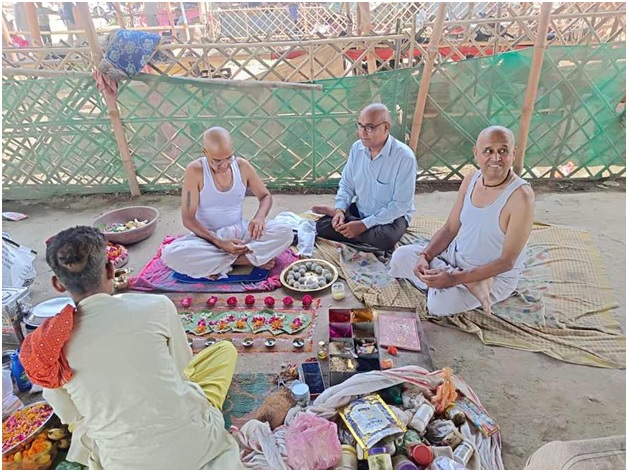
Grief rarely leaves room for logistics. In the days following a loved one’s cremation, most families are still absorbing the loss when they’re expected to plan one of Hinduism’s most sacred final rites, Asthi Visarjan, the immersion of ashes in the Ganga. It’s a ritual steeped in meaning, but it’s also one that raises a surprising number of practical questions: which Ghat, which date, what to bring, and who should perform the sankalp.
This is exactly why so many families, especially those scattered across cities or countries, now search for panditji online rather than arriving in Varanasi and hoping to find guidance on the spot. Knowing what to actually discuss with a pandit beforehand can turn a stressful, uncertain process into one handled with clarity and respect.
Start With the Timing
One of the first things worth clarifying is when the ritual should take place. Traditionally, Asthi Visarjan is performed within about ten days of cremation, though this varies by family custom and practical circumstance. A pandit can explain what’s considered appropriate for your specific situation, whether that’s the third, seventh, or ninth day, or a later date if travel or health constraints get in the way. If more time has passed than tradition typically allows, a good pandit won’t simply turn you away; they’ll explain what additional rites, if any, should precede the immersion so it’s still performed correctly.
Confirm Who Should Perform the Ritual
Traditionally, the eldest son carries out Asthi Visarjan, but that’s not a rigid rule in every family or region. Daughters and other close relatives can, and often do, perform the ritual when circumstances require it. This is worth raising directly with the pandit early on, especially if the eldest son is unavailable, based abroad, or if the family simply wants a daughter to take on the responsibility. A knowledgeable pandit will explain what adjustments, if any, apply to the sankalp and ceremony based on who is performing it.
Discuss the Ghat and Ritual Setup
Not every Ghat in Varanasi carries the same significance for this particular rite, and a pandit’s local knowledge matters here. Manikarnika Ghat holds particular weight given its association with cremation rites, while several other Ghats along the river are also commonly used for immersion depending on accessibility and river conditions on the day. Ask the pandit which location they recommend and why, and don’t hesitate to raise any family preferences; many pandits are happy to accommodate a specific Ghat if it holds personal significance.
It’s equally worth discussing the samagri, the ritual items needed for the ceremony. Flowers, black sesame seeds, a water pot, incense, and a few other essentials are typically required, and most pandits either arrange these directly or can point you to where they’re available near the Ghats. Confirming this in advance means the family isn’t scrambling for items on the day itself.
Ask About Sankalp Details in Advance
The sankalp, the formal declaration of intent spoken during the ritual, requires specific information: the name and gotra of the person performing the rite, along with the name and gotra of the deceased. Gathering this information ahead of time and sharing it with the pandit avoids confusion or delay once the ceremony begins. If the family doesn’t know the gotra with certainty, it’s worth raising this directly; pandits are often able to help clarify based on family lineage or regional tradition.
Talk Openly About Cost
Money is an uncomfortable subject to raise around grief, but avoiding it usually leads to more discomfort later, not less. Families should ask directly about asthi visarjan cost in Varanasi, including what’s covered, pandit dakshina, ritual samagri, Ghat arrangements, and what might be an additional expense. Costs can vary depending on the scale of the ceremony, the Ghat chosen, and whether additional rites are being performed alongside the immersion. A transparent pandit will lay this out clearly before the ritual begins rather than adding costs midway through.
When You Can’t Travel
Not every family member can make the journey to Varanasi, whether due to health, distance, or unavoidable circumstances. This is worth discussing openly rather than being treated as a last resort. Many pandits today are equipped to perform the ritual on a family’s behalf, with the sankalp taken in their name and confirmation shared afterward, often through video or photographs. If this applies to your situation, ask specifically how the process works, what information you’ll need to provide remotely, and how the family will receive confirmation once the rite is complete.
Why This Conversation Matters
Asthi Visarjan isn’t a ritual to walk into unprepared. The details, timing, participants, Ghat selection, samagri, sankalp information, and cost, all shape how smoothly and respectfully the ceremony unfolds. Having this conversation with a pandit well before the day itself, rather than scrambling at the Ghat, gives families the space to grieve without also managing last-minute logistics. For many, taking this step early, arranging things ahead of time through a service to book my pandit, has made the difference between a rushed ceremony and one performed with the dignity the occasion deserves.
Ultimately, a good pandit does more than recite mantras. They guide a family through one of the hardest moments of their lives with patience and clarity, answering exactly the questions above before the family even has to ask. Pitradev connects families across India and abroad with experienced pandits for Asthi Visarjan and other final rites in Varanasi, offering transparent guidance on timing, ritual arrangements, and cost. Whether performed in person or on a family’s behalf when travel isn’t possible, Pitradev focuses on helping this sacred farewell be conducted with authenticity and care.