
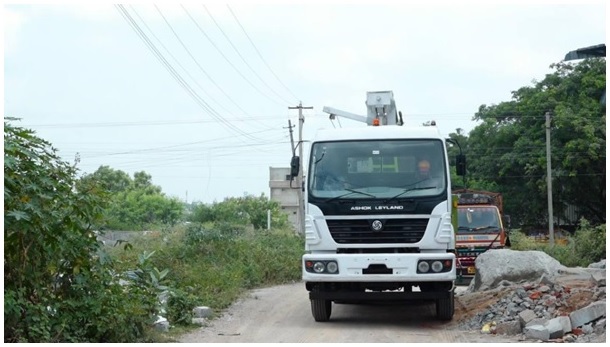
In today’s growing infrastructure and groundwater sector, water access projects rely not just on engineering but also on smart equipment investment. Contractors, NGOs, and developers must make informed choices to avoid delays and cost overruns. A key factor in planning is water well drilling rig prices, which vary based on technology, capacity, and application.
Understanding these costs helps in selecting the right equipment while ensuring efficiency and sustainability. This is especially important for managing budgets in challenging geological conditions. Better cost clarity leads to smoother execution and improved access to clean water in both urban and remote areas.
Why Equipment Costs Are Changing Globally
The cost of industrial drilling systems has been evolving due to multiple global factors. Rising raw material prices, especially steel, directly impact manufacturing costs. At the same time, fuel price fluctuations affect transportation and field operations, increasing overall project budgets. Additionally, the demand for advanced automation and high-capacity machinery has shifted the market toward more sophisticated designs, which naturally come at higher investment levels. Emerging economies investing heavily in water infrastructure are also pushing demand upward, creating a competitive global supply environment. As a result, buyers must carefully evaluate long-term operational efficiency rather than focusing only on initial purchase costs.
Technology, Depth Requirements, and Market Demand
Understanding water well drilling rig prices is essential when evaluating modern drilling solutions, as pricing is closely tied to technical specifications and operational requirements. Deeper drilling applications, stronger hydraulic systems, and advanced mobility features all contribute to cost variations in today’s market.
Key factors influencing pricing include:
- Drilling depth capacity and bore diameter requirements
- Hydraulic power and engine efficiency levels
- Mobility options such as truck-mounted or trailer-mounted systems
- Automation features and operator control systems
Each of these elements plays a major role in determining the final cost of equipment. Projects requiring specialised geological penetration often require higher-grade rigs, which significantly influence budgeting decisions for contractors and planners.
Role of Manufacturers and Global Supply Chain
Manufacturing expertise and global trade networks strongly influence drilling equipment pricing and distribution. A drilling rig exporter connects manufacturers with infrastructure-developing regions, ensuring reliable access to essential drilling solutions. Export-focused manufacturers also design rigs that meet international standards for varied geological conditions.
Efficient supply chains reduce delays and improve access for large projects, while after-sales support and spare parts add long-term value.
Key considerations in global supply include:
- International drilling standards compliance
- Maintenance and technical support availability
- Efficient shipping and logistics
- Adaptability to different soil and rock conditions
Conclusion
Industrial drilling systems are no longer just mechanical tools; they are strategic assets that determine the success of water infrastructure projects. As global demand increases, understanding cost structures becomes essential for effective planning and execution. Factors such as technology, depth capability, and supply chain efficiency all influence investment decisions. Ultimately, informed buyers who analyse performance alongside pricing are better positioned to achieve sustainable and cost-effective water access solutions worldwide.
Prime Rigs is a drilling equipment manufacturer for water, mining, and infrastructure projects. Prime Rigs Limited provides reliable drilling rigs for different ground conditions. The company supports contractors with durable, field-ready machinery.