
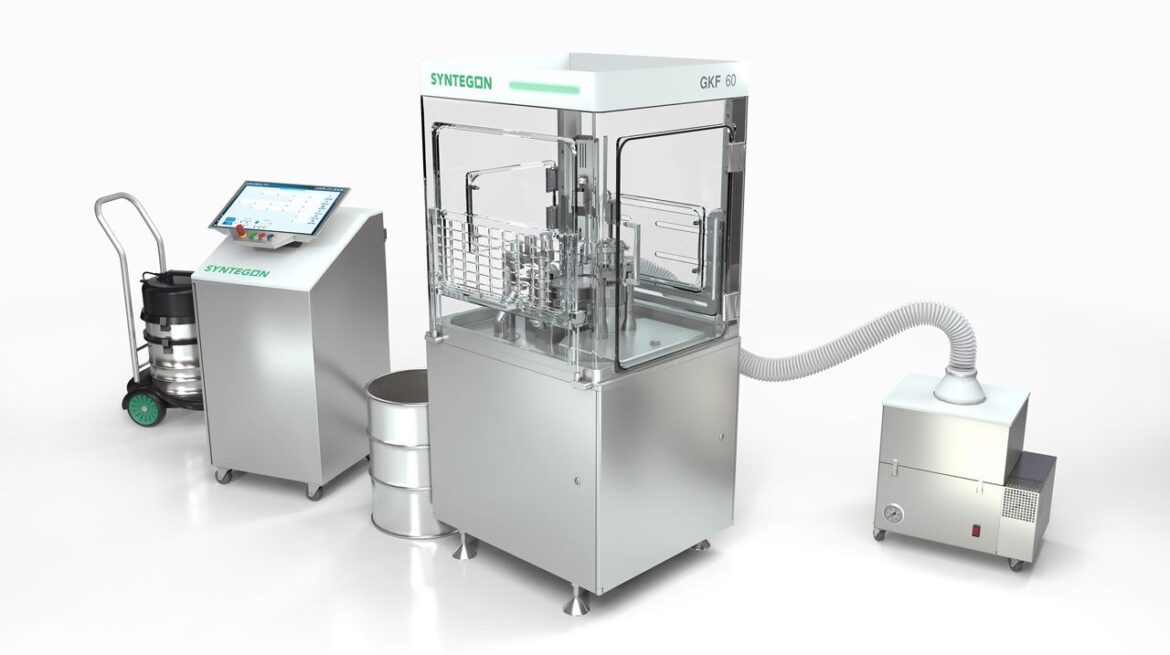
In pharmaceutical manufacturing, selecting the right equipment is a critical decision that directly impacts production efficiency, product quality, and regulatory compliance. Capsule filling technology has evolved significantly, and modern systems now offer advanced features that support high-speed, precise, and hygienic production.
An automatic capsule filling machine is a major investment for any production facility, so understanding its key features is essential before making a purchase decision. The right machine should not only meet current production needs but also support future scalability and quality requirements.
High-Speed Production Capability
One of the most important features of an automatic system is its production speed. In pharmaceutical environments, meeting large-scale demand requires continuous and efficient operation.
A high-quality machine should offer:
- Stable high-speed capsule filling
- Continuous operation with minimal downtime
- Efficient handling of large batch sizes
This ensures manufacturers can meet strict production schedules without compromising quality.
Precision Dosing System
Accuracy is fundamental in capsule manufacturing. Even slight variations in dosage can affect product safety and regulatory approval.
A reliable machine should include:
- Advanced dosing mechanisms for uniform filling
- Adjustable dosage settings for different formulations
- Consistent weight control across all capsules
Precision ensures that every capsule contains the correct amount of active ingredient.
Fully Automated Workflow
Automation is a defining feature of modern capsule filling equipment. A well-designed machine should handle the entire process with minimal manual intervention.
Key automated functions include:
- Capsule feeding and orientation
- Separation of capsule shells
- Powder or pellet filling
- Capsule closing and locking
- Automatic rejection of defective capsules
This reduces human involvement and improves operational efficiency.
Hygienic and GMP-Compliant Design
In pharmaceutical production, hygiene is not optional—it is mandatory. Equipment must meet strict Good Manufacturing Practice (GMP) standards.
Important hygiene-related features include:
- Stainless steel construction for product-contact parts
- Smooth surfaces to prevent residue buildup
- Easy disassembly for cleaning
- Enclosed processing zones to reduce contamination risk
These features ensure compliance with industry regulations and maintain product safety.
Flexibility for Different Capsule Sizes
Manufacturers often produce multiple products with different capsule sizes and formulations. Flexibility is therefore a key requirement.
A good machine should offer:
- Compatibility with various capsule sizes
- Quick changeover between production batches
- Adjustable mechanical settings for different formulations
This flexibility supports multi-product manufacturing environments.
Integrated Quality Control Systems
Modern machines often include built-in inspection and quality control features to ensure consistent output.
These may include:
- Weight checking systems
- Defect detection and rejection mechanisms
- Real-time monitoring of production parameters
Such systems help maintain product consistency and reduce waste.
User-Friendly Control Interface
Ease of operation is another important feature. Advanced machines are designed with intuitive control systems to simplify operation and monitoring.
Key aspects include:
- Digital touchscreen interface
- Real-time production data display
- Easy adjustment of machine parameters
A user-friendly interface reduces training time and improves operational efficiency.
Energy Efficiency and Operational Stability
Energy consumption and machine stability are important for long-term operational cost control.
Efficient machines provide:
- Optimized power usage
- Stable mechanical performance during long production cycles
- Reduced maintenance requirements
This helps manufacturers lower operational expenses over time.
Safety Features and Operator Protection
Safety is a critical aspect of pharmaceutical equipment design. Automatic machines must include protective mechanisms to ensure safe operation.
Essential safety features include:
- Emergency stop functions
- Safety interlocks during operation
- Protective covers for moving components
These features protect both operators and equipment during production.
Conclusion
Choosing the right capsule filling equipment requires careful evaluation of its features and capabilities. A well-designed automatic capsule filling machine should deliver high-speed production, precise dosing, strong hygiene standards, and operational flexibility.
By focusing on these key features, pharmaceutical manufacturers can ensure efficient production, consistent product quality, and long-term operational success. As the industry continues to evolve, advanced automation and intelligent machine design will remain central to achieving competitive and compliant manufacturing processes.