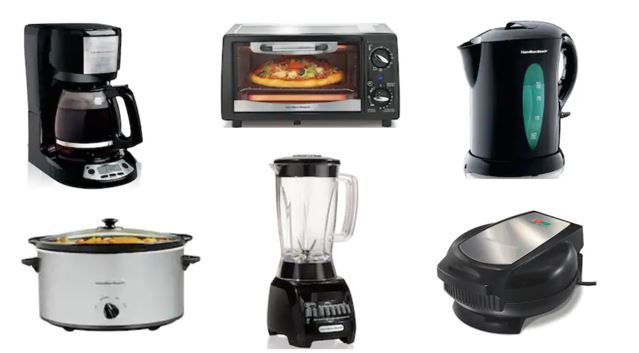
The consumer electronics industry is one of the most competitive global markets, driven by rapid innovation, shifting consumer expectations, and constant technological advancement. Within this space, small household appliances represent a fast-growing segment that blends practicality with modern technology. Products such as kitchen tools, cleaning devices, and personal care appliances are no longer standalone utilities—they are now part of a broader connected lifestyle ecosystem.
To succeed in this environment, companies must continuously adapt their strategies, improve product performance, and strengthen brand positioning. Many small appliance brands compete not only on price but also on innovation, design, distribution efficiency, and customer experience.
Competing Through Product Innovation
Innovation is the foundation of competition in the consumer electronics industry. With consumers expecting smarter, faster, and more efficient devices, brands must continuously invest in research and development.
Key innovation strategies include:
- Integration of smart home connectivity
- Development of energy-efficient systems
- Introduction of multifunctional appliances
- Enhancement of user-friendly digital controls
Brands that innovate successfully are more likely to attract long-term customer interest and maintain relevance in a rapidly evolving market.
The Role of Design in Market Differentiation
Design plays a crucial role in how small appliance brands compete. In a crowded marketplace, visual appeal and usability often influence purchasing decisions as much as technical performance.
Important design factors include:
- Minimalist and modern aesthetics
- Compact structures for urban living spaces
- Ergonomic usability and comfort
- High-quality finishes and material selection
Strong design helps brands stand out and creates a more premium perception in the minds of consumers.
Pricing Strategies in a Competitive Market
Price remains one of the most influential factors in consumer electronics purchasing decisions. Small appliance brands must carefully balance affordability with quality to remain competitive.
Common pricing approaches include:
- Budget-friendly product lines for mass markets
- Mid-range products offering balanced features and cost
- Premium appliances with advanced functionality
- Promotional pricing during peak shopping seasons
Effective pricing strategies allow brands to target different consumer segments and expand market reach.
Distribution and E-commerce Expansion
The rise of e-commerce has significantly changed how small appliance brands compete. Online platforms have reduced entry barriers and allowed brands to reach global customers more efficiently.
Key advantages of digital distribution include:
- Direct access to international markets
- Lower reliance on physical retail networks
- Faster product launches and updates
- Real-time consumer feedback and analytics
Brands that optimize their online presence gain a strong competitive advantage in global markets.
Quality and Reliability as Competitive Factors
In the consumer electronics industry, product reliability is essential for building trust and maintaining brand reputation. Consumers expect appliances to perform consistently over long periods of use.
Competitive quality factors include:
- Durable materials and construction
- Stable performance under regular usage
- Compliance with international safety standards
- Low defect rates and consistent production quality
Reliable performance helps brands build long-term customer loyalty.
Branding and Customer Experience
Strong branding is essential in differentiating products in a saturated market. Beyond product features, consumers are influenced by brand reputation, marketing, and overall customer experience.
Key branding elements include:
- Consistent visual identity and packaging
- Clear communication of product benefits
- Strong online reviews and reputation management
- Responsive customer service and support systems
A positive customer experience can significantly influence repeat purchases and brand loyalty.
Technological Integration and Smart Ecosystems
As consumer electronics become more interconnected, small appliances are increasingly integrated into smart home ecosystems. This trend is reshaping how brands compete.
Examples of technological integration include:
- App-controlled appliances
- Voice assistant compatibility
- Automated usage settings
- Data-driven performance optimization
Brands that adopt these technologies early are better positioned in the future marketplace.
Global Supply Chain Efficiency
Efficient supply chains are critical for maintaining competitiveness. Manufacturing speed, logistics coordination, and inventory management all affect a brand’s ability to respond to market demand.
Important supply chain factors include:
- Scalable production capabilities
- Reliable global logistics networks
- Efficient inventory and demand planning
- Flexible manufacturing partnerships
Strong supply chain management ensures consistent product availability and cost control.
Conclusion
Competition in the consumer electronics industry is intense, requiring small appliance manufacturers to continuously innovate, optimize pricing, and strengthen brand identity. Success depends on a combination of product quality, design excellence, technological advancement, and efficient global distribution. As consumer expectations continue to evolve, adaptable and forward-thinking small appliance brands will remain at the forefront of this highly dynamic industry.