Choosing the right material-handling equipment is an important decision for construction, landscaping, and agricultural projects. A compact dumper can significantly improve efficiency on-site, but only if it matches the specific demands of the work environment. Before making a purchase, it is essential to evaluate performance, durability, and suitability for terrain conditions.
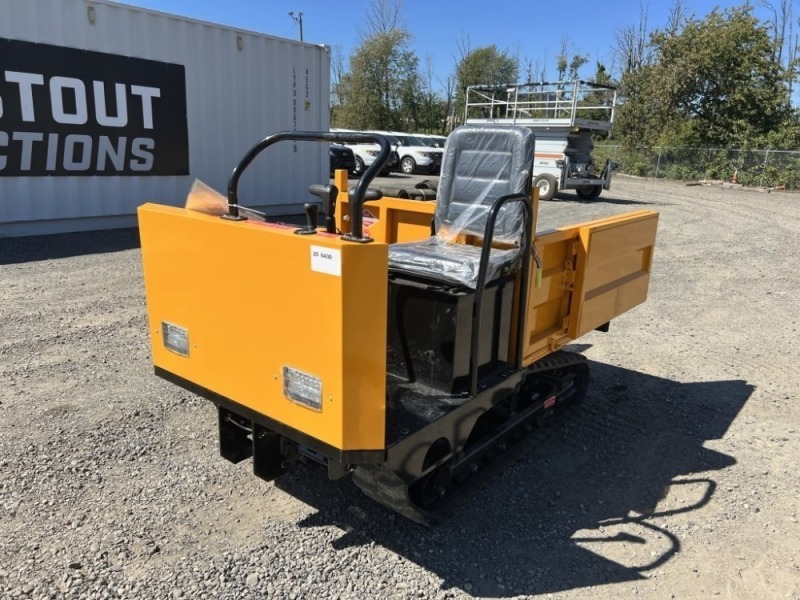
A modern mini crawler dumper is designed to handle rough and uneven surfaces, making it a practical choice for projects where traditional wheeled machines may struggle. However, not all models are the same, and understanding key buying factors can help ensure long-term value and productivity.
Terrain Type and Working Environment
The first factor to consider is the type of terrain where the machine will be used. Different environments require different levels of traction and stability.
For example:
- Muddy or soft soil requires strong track grip
- Rocky surfaces demand durable undercarriage protection
- Sloped areas need excellent balance and stability
- Urban sites require compact size and maneuverability
Matching the dumper to the working environment ensures better performance and reduces the risk of operational issues.
Load Capacity Requirements
Load capacity is one of the most important specifications when selecting a dumper. Choosing a machine with insufficient capacity can slow down operations, while an oversized model may increase unnecessary costs.
When evaluating capacity, consider:
- Average weight of materials per load
- Frequency of transport cycles
- Type of materials being moved (soil, gravel, debris)
- Future project scalability
A properly matched load capacity improves efficiency and reduces wear on the machine.
Engine Power and Fuel Efficiency
Engine performance directly affects productivity, especially on challenging terrain. A more powerful engine provides better climbing ability and smoother operation under heavy loads.
Key considerations include:
- Engine type (diesel or petrol)
- Fuel consumption rates
- Performance on slopes and rough ground
- Maintenance requirements
Fuel efficiency is equally important, as it impacts long-term operating costs.
Track System Quality and Durability
The crawler track system is a defining feature of these machines and plays a major role in performance. High-quality tracks ensure better traction, stability, and durability in tough conditions.
When evaluating track systems, check for:
- Rubber quality and reinforcement
- Track width for stability
- Resistance to wear and tear
- Ease of replacement and maintenance
A strong track system reduces downtime and improves overall reliability.
Maneuverability and Size
Compact design is essential for working in tight or restricted spaces. However, not all models offer the same level of maneuverability.
Important factors include:
- Machine width and length
- Turning radius and steering responsiveness
- Accessibility in narrow job sites
- Ease of transport between locations
Good maneuverability helps operators work more efficiently in complex environments.
Safety Features and Operator Comfort
Safety should always be a priority when selecting construction equipment. A well-designed dumper reduces risks and improves working conditions for operators.
Look for features such as:
- Stable low-center-of-gravity design
- Emergency stop systems
- Clear operator visibility
- Ergonomic controls and seating
Comfort also plays a role in productivity, especially during long working hours.
Maintenance and After-Sales Support
Maintenance requirements can significantly affect long-term ownership costs. Machines that are easier to service tend to have less downtime and longer operational life.
Consider:
- Availability of spare parts
- Ease of engine and hydraulic access
- Track replacement process
- Manufacturer support and warranty options
Reliable after-sales support ensures smoother operation over time.
Conclusion
Buying the right mini crawler dumper requires careful evaluation of terrain conditions, load capacity, engine performance, and overall durability. Each factor plays a role in determining how efficiently the machine will perform in real-world conditions.
By taking the time to assess these key considerations, buyers can ensure they select a machine that delivers long-term productivity, safety, and value across a wide range of construction, landscaping, and agricultural applications.