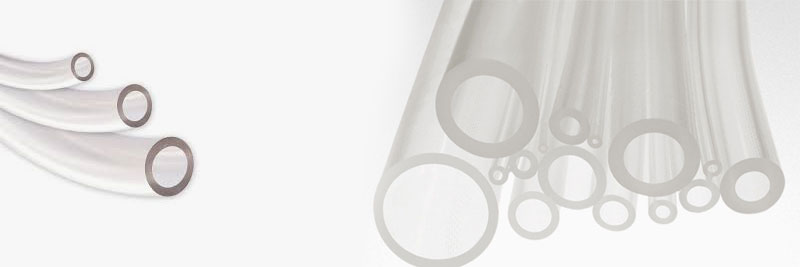
Medical grade tubing is an essential component in modern healthcare and pharmaceutical industries. Its versatility, biocompatibility, and durability make it an indispensable material for fluid transfer, gas delivery, and the safe handling of sensitive substances. From surgical devices and diagnostic equipment to pharmaceutical manufacturing lines, medical grade tubing ensures consistent performance and safety, supporting critical operations across multiple medical and laboratory settings.
The pharmaceutical and healthcare sectors demand tubing that is chemically resistant, flexible, and capable of withstanding repeated sterilization. Medical Grade Tubing meets these requirements, offering a reliable solution for transporting fluids, gases, and medications without compromising quality. Its smooth, non-porous surface reduces contamination risks, making it suitable for sterile environments such as operating rooms, laboratories, and pharmaceutical production facilities. By ensuring the safe transfer of sensitive materials, medical grade tubing plays a pivotal role in protecting both patients and healthcare workers.
Applications in Surgical and Medical Devices
Medical grade tubing is widely used in a variety of surgical and medical devices. Catheters, suction devices, and feeding tubes rely on flexible and biocompatible tubing to deliver fluids safely and efficiently. The smooth inner surface of high-quality tubing ensures consistent flow and minimizes the risk of clogging or contamination.
In minimally invasive surgeries, silicone and other medical grade tubing materials facilitate irrigation, suction, and the delivery of anesthetic gases. The tubing’s flexibility allows surgeons to maneuver instruments precisely while maintaining structural integrity. In respiratory equipment, including ventilators and oxygen delivery systems, medical grade tubing ensures the reliable transport of gases, which is essential for patient safety and treatment effectiveness.
Role in Pharmaceutical Manufacturing
The pharmaceutical industry relies heavily on medical grade tubing for the production, filtration, and transfer of drugs and chemicals. Tubing must be chemically resistant to handle various formulations, including aqueous solutions, organic solvents, and active pharmaceutical ingredients. This ensures that the fluids are delivered without contamination or chemical reactions that could compromise the integrity of the product.
Medical grade tubing is also integral in filling and dosing equipment. Accurate fluid delivery is crucial for maintaining the correct dosage and potency of medications. The tubing’s smooth interior and consistent diameter allow precise control of flow rates, reducing the likelihood of errors and ensuring product quality. Additionally, its ability to withstand repeated sterilization cycles makes it suitable for reusable production lines, providing a cost-effective and reliable solution for pharmaceutical manufacturers.
Laboratory Applications
Medical grade tubing is equally important in laboratory environments, where precision and contamination control are critical. It is used in analytical instruments, sample collection systems, and laboratory experiments that require the safe and accurate transfer of fluids. Tubing must be chemically resistant and compatible with biological samples to prevent degradation or contamination.
In laboratories, multi-lumen tubing allows multiple fluids to be transported simultaneously through a single conduit. This simplifies workflow and reduces the need for multiple connections, which can minimize errors and save time. Transparent tubing is also valuable in these applications, as it allows researchers to monitor fluid flow visually, ensuring accurate measurements and preventing air bubbles or blockages.
Sterilization and Durability
A key advantage of medical grade tubing is its ability to withstand rigorous sterilization processes. Autoclaving, chemical sterilization, and gamma irradiation can degrade traditional tubing materials such as PVC or rubber, limiting their reuse. High-quality medical grade tubing maintains its flexibility, transparency, and structural integrity even after repeated sterilizations, making it ideal for both single-use and reusable applications.
Durability is critical in environments where consistent performance is required. Medical grade tubing resists wear, chemical corrosion, and temperature fluctuations, providing long-term reliability in both medical and pharmaceutical settings. This durability reduces operational downtime, lowers replacement costs, and ensures that critical processes run smoothly and safely.
Customization and Specialized Solutions
Medical grade tubing can be customized to meet the specific requirements of different applications. Variations in diameter, wall thickness, length, and material composition allow tubing to be tailored for unique medical devices, laboratory setups, or pharmaceutical production lines. Multi-lumen and color-coded tubing options enhance efficiency, simplify identification, and minimize the risk of procedural errors.
Specialty tubing solutions are also available for applications such as neonatal care, high-pressure fluid transfer, or handling reactive chemicals. By providing a combination of flexibility, biocompatibility, and chemical resistance, these customized solutions ensure that the tubing meets the unique demands of modern medical and pharmaceutical environments.
Conclusion
Medical grade tubing is a vital component across healthcare and pharmaceutical industries, providing safe, reliable, and efficient fluid and gas transfer. Its biocompatibility, flexibility, chemical resistance, and durability make it ideal for surgical devices, diagnostic equipment, laboratory research, and pharmaceutical manufacturing. With options for customization, multi-lumen designs, and sterilization resilience, medical grade tubing supports precision, safety, and operational efficiency in critical applications. By choosing high-quality tubing, healthcare providers and manufacturers can ensure patient safety, maintain product integrity, and optimize performance across medical and pharmaceutical processes.