
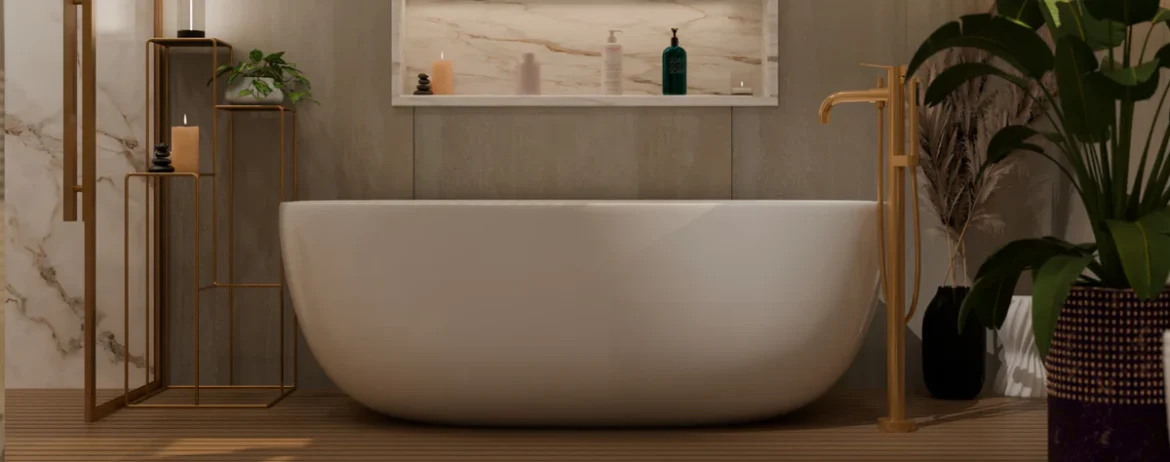
China has become one of the world’s leading producers of sanitary ware products, supplying sinks, bathtubs, toilets, countertops, and other bathroom fixtures to global markets. The rapid growth of the construction and home improvement industries has significantly increased the demand for high-quality sanitary ware products. To meet these demands, Chinese manufacturers have adopted advanced production techniques that improve efficiency, product quality, and manufacturing precision. By combining modern technology with large-scale production capabilities, China’s sanitary ware industry continues to set new standards in global manufacturing.
Technological Evolution in Sanitary Ware Manufacturing
The sanitary ware manufacturing industry in China has undergone significant technological transformation over the past two decades. Manufacturers have moved beyond traditional manual production processes and adopted modern equipment and digital manufacturing systems. This transition has allowed companies to produce sanitary ware products with higher accuracy, improved durability, and more refined designs.
Many global buyers now rely on Chinese suppliers for their ability to deliver consistent quality at competitive prices. Businesses exploring reliable suppliers often review industry resources such as China Sanitary Ware Manufacturers, which provide insights into leading companies recognized for innovation and manufacturing excellence.
The integration of advanced technology has enabled manufacturers to streamline operations, reduce production errors, and improve the overall performance of sanitary ware products. As a result, China has strengthened its position as a global leader in bathroom fixture manufacturing.
Automation and Robotic Production Systems
Automation has become a key factor in modern sanitary ware production in China. Many factories have implemented robotic systems to perform tasks such as molding, glazing, polishing, and product handling. Robotic automation not only increases production speed but also ensures consistent quality across large production volumes.
Automated glazing and finishing systems help apply coatings evenly on ceramic surfaces, reducing the risk of defects and ensuring a smooth, high-quality finish. Robotic arms are also used for precise trimming and shaping, which minimizes material waste and improves production accuracy.
Additionally, automated packaging and material handling systems help streamline the final stages of production. These systems reduce labor-intensive tasks and improve operational efficiency, allowing manufacturers to meet large international orders more effectively.
High-Pressure Casting Technology
High-pressure casting is another advanced technique widely used in Chinese sanitary ware factories. This process involves injecting liquid ceramic slurry into specially designed molds under controlled pressure. Compared to traditional casting methods, high-pressure casting significantly reduces production time while improving the strength and consistency of ceramic products.
This technique allows manufacturers to produce complex shapes and designs with greater precision. It also helps reduce moisture content in ceramic pieces, which shortens drying time and minimizes the risk of cracks during the firing process.
High-pressure casting has become an essential part of large-scale sanitary ware production because it improves efficiency and maintains high product quality standards.
Smart Kiln Technology and Energy Efficiency
Firing is one of the most critical stages in ceramic sanitary ware production. Chinese manufacturers are increasingly using advanced kiln technologies that allow precise temperature control and improved energy efficiency. Modern tunnel kilns and shuttle kilns are equipped with automated monitoring systems that maintain stable firing conditions throughout the process.
These smart kiln systems ensure uniform heat distribution, which is essential for producing durable and high-quality ceramic products. Automated temperature control also reduces energy consumption and lowers production costs.
In addition to improving product quality, energy-efficient kilns help manufacturers meet environmental standards and reduce carbon emissions. This shift toward sustainable production methods is becoming increasingly important in the global manufacturing industry.
Computer-Aided Design and 3D Modeling
Product design has also evolved significantly with the adoption of computer-aided design (CAD) and 3D modeling technologies. Chinese sanitary ware manufacturers use these digital tools to create detailed product designs before the production process begins.
CAD software allows engineers and designers to develop precise product dimensions, shapes, and surface textures. It also enables manufacturers to test design concepts virtually, reducing the need for multiple physical prototypes.
3D modeling technology helps manufacturers quickly develop molds and improve the accuracy of production tools. This approach speeds up product development and allows companies to respond more efficiently to changing market demands and customer preferences.
Advanced Surface Finishing and Quality Control
Surface finishing plays an important role in determining the appearance and durability of sanitary ware products. Chinese manufacturers use advanced polishing, glazing, and coating technologies to achieve smooth and durable finishes.
Nano-coating technology is increasingly used to create stain-resistant and antibacterial surfaces. These coatings help prevent dirt buildup and make bathroom fixtures easier to clean and maintain.
Quality control systems have also become more advanced with the use of automated inspection technologies. Many factories now use digital scanning systems and AI-powered inspection tools to detect surface defects, cracks, or structural imperfections. These technologies ensure that only products meeting strict quality standards are delivered to customers.
Conclusion
China’s sanitary ware manufacturing industry has achieved remarkable progress by adopting advanced production techniques and modern technology. Automation, high-pressure casting, smart kiln systems, digital design tools, and advanced finishing technologies have significantly improved product quality and manufacturing efficiency.
As global demand for high-quality bathroom fixtures continues to grow, Chinese manufacturers are expected to further invest in innovation, automation, and sustainable production methods. These advancements will not only strengthen China’s position as a leading sanitary ware producer but will also help deliver more durable, efficient, and aesthetically appealing products to the global market.