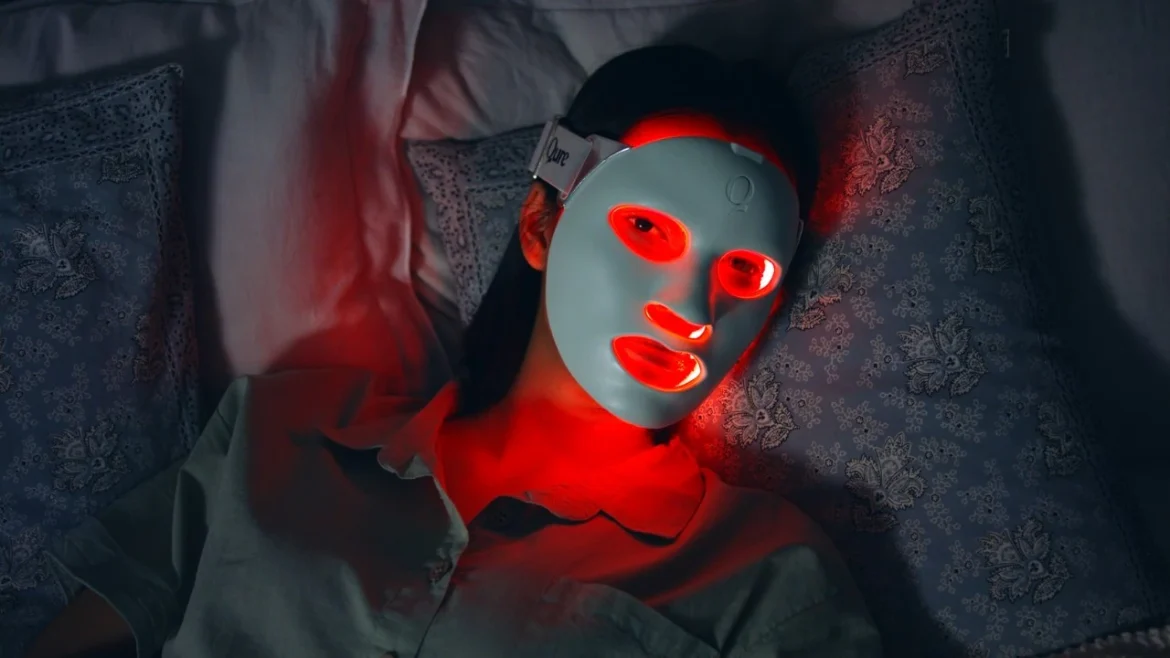
LED face masks have become a staple in at-home skincare routines, promising improvements in skin texture, reduction of acne, and signs of aging through non-invasive light therapy. As more people turn to these devices for long-term skin health, one of the most common questions is whether the cost aligns with performance. Prices for LED masks can vary significantly, from budget models under $100 to high-end versions costing several hundred dollars. Understanding the relationship between cost and performance can help consumers make an informed choice and avoid overspending on features they may not need.
When evaluating cost against performance in LED face masks, it is essential to consider the quality of components, the range of light wavelengths, power output, safety features, and overall user experience. Higher-end models often incorporate advanced technologies that justify their price tags, including multi-wavelength therapy, adjustable intensity settings, ergonomic design, and robust safety certifications. For those seeking a comprehensive and reliable device that balances effectiveness with long-term use, the Best LED Face Mask offers a combination of clinical-grade light therapy and thoughtful design that supports consistent results, making it representative of high performance in its price category.
Understanding LED Technology and Its Impact on Performance
LED light therapy works by delivering specific wavelengths of light to the skin to stimulate cellular processes. Red light wavelengths (typically between 630-700 nm) are known for their ability to penetrate deeper in the skin and support collagen production, which helps reduce fine lines and improve skin elasticity. Blue light (around 405-470 nm) helps manage acne by targeting bacteria that contribute to breakouts. Some advanced models expand beyond these two to include near-infrared or mixed wavelengths, further enhancing therapeutic outcomes.
Performance in an LED mask does not come solely from one feature but from how well a device integrates light quality, wavelength accuracy, and consistent delivery across the treatment area. A well-designed LED mask should provide even coverage, optimal intensity, and ease of use to encourage regular application. These performance factors contribute to results over time, influencing the overall value of the investment.
Cost Categories and What to Expect
Budget LED Masks
Budget LED masks typically cost under $100 and are appealing for first-time users or those wanting a low-commitment introduction to light therapy. These models often provide basic red and blue light options and are generally lightweight and simple to use. However, they may lack power intensity, uniform light distribution, durable construction, and adjustable settings. Users might notice limited results or slower improvements due to these constraints.
Skipping advanced features in budget models might be a reasonable trade-off for occasional use, but consumers should remain aware that lower cost often correlates with shorter lifespan and less therapeutic impact over time.
Mid-Range LED Masks
Mid-range devices, usually priced between $100 and $300, often offer stronger performance than budget models. These masks tend to provide better wavelength accuracy, higher LED density, and additional features like remote controls or adjustable intensities. Users can expect more noticeable results with consistent use, with improvements in skin texture and fewer breakouts over steady treatment periods.
Mid-range masks are often the sweet spot for performance without excessive cost. They balance quality and usability, making them suitable for most consumers seeking meaningful benefits without spending excessively.
High-End LED Masks
High-end LED masks, typically priced above $300, represent the premium tier in LED therapy devices. These models often include multiple wavelength options, clinical calibration, advanced light intensity control, robust safety certifications, and ergonomic design. They may also offer enhanced comfort, better fit, and longer battery life or rechargeable capability.
The performance of high-end devices tends to be superior, with faster and more consistent results. Users may notice deeper improvement in fine lines, improved skin tone, and more significant reduction of acne lesions. High-end masks also often stand up better to long-term use, with durable materials and better build quality.
Balancing Cost and Performance
When considering whether to invest in a mid-range or high-end LED mask, it is important to assess personal skincare needs. If acne, aging signs, or persistent texture issues are significant concerns, the added performance and durability of a higher-end device may justify the cost. Alternatively, those new to LED therapy or with minor skin concerns might find a mid-range device offers adequate performance for their goals.
One key consideration is how often and how consistently you plan to use the mask. LED therapy requires regular use over weeks and months to achieve visible benefits. A device that feels comfortable and easy to integrate into daily routines is more likely to be used consistently, which enhances performance regardless of price. Features like adjustable intensity, flexible straps, and clear controls often contribute to better user adherence.
Safety and Long-Term Value
Cost should not be the only factor in decision-making. Safety certifications, build quality, and manufacturer support influence long-term value. Devices with proper safety testing and reliable customer service may cost more upfront but provide peace of mind and durability that budget models lack. High-quality masks are less likely to degrade quickly or malfunction, making them more cost-effective over time.
Conclusion
Analyzing cost versus performance in LED face masks reveals that while higher price does not always guarantee better results, there is a strong correlation between quality and performance features. Mid-range and high-end devices generally deliver more consistent wavelengths, better coverage, safety features, and durability that contribute to tangible improvements in skin health. Understanding these differences ensures consumers invest wisely based on their personal skincare needs and long-term treatment goals. By balancing performance expectations with budget considerations, users can select a device that delivers meaningful results and enhances their daily skincare routine.