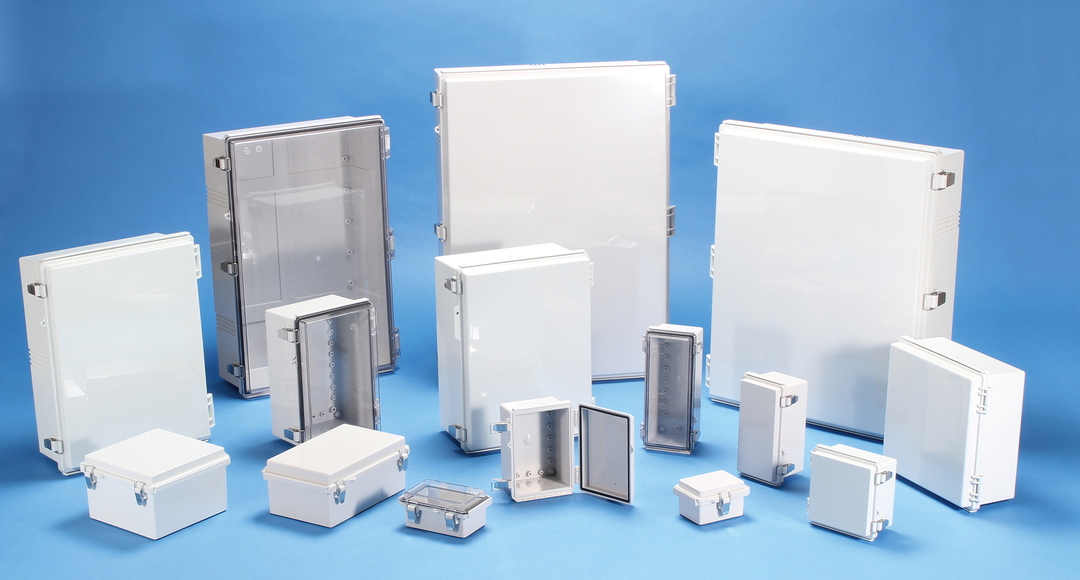
Plastic enclosures are essential components in modern electrical and electronic systems. They provide protective housing for sensitive devices, shielding them from environmental factors such as dust, moisture, and mechanical impact. With the growing demand for compact and efficient electronic designs, plastic enclosures have become a preferred solution across industries ranging from consumer electronics to heavy industrial applications.
Among various materials used, ABS is one of the most widely adopted due to its balance of strength, cost efficiency, and design flexibility. An abs plastic enclosure is commonly selected for projects that require reliable protection without the added weight and cost of metal alternatives.
What Are Plastic Enclosures?
Plastic enclosures are protective casings designed to house electrical and electronic components. They are manufactured using different thermoplastic materials and can be molded into various shapes and sizes depending on application needs.
Their primary functions include:
- Protecting internal components from physical damage
- Preventing dust and moisture ingress
- Ensuring electrical insulation and safety
- Supporting device structure and mounting
Because of their versatility, plastic enclosures are used in both simple and highly complex electronic systems.
Common Types of Plastic Enclosures
Plastic enclosures come in several types, each designed for specific environmental and functional requirements.
1. Standard Enclosures
These are general-purpose housings used in indoor applications such as consumer electronics and control systems. They provide basic protection and are easy to manufacture.
2. Waterproof Enclosures
Designed for outdoor or wet environments, these enclosures use sealing systems to prevent water entry. They are commonly used in lighting systems and outdoor devices.
3. Dustproof Enclosures
These are used in industrial environments where airborne particles can damage sensitive electronics. They help maintain system reliability in factories and workshops.
4. Industrial-Grade Enclosures
Built for heavy-duty applications, these enclosures offer enhanced durability, impact resistance, and vibration protection.
Materials Used in Plastic Enclosures
Different thermoplastics are used depending on performance requirements. Each material has its own strengths and limitations.
ABS (Acrylonitrile Butadiene Styrene)
- High impact resistance
- Good electrical insulation
- Easy to mold and customize
- Cost-effective for mass production
Polycarbonate
- Superior strength and durability
- Better heat resistance
- Suitable for harsh environments
- Higher cost compared to ABS
PVC (Polyvinyl Chloride)
- Good chemical resistance
- Moderate mechanical strength
- Common in basic electrical applications
Among these, ABS remains one of the most widely used materials due to its balanced performance.
Industrial Applications of Plastic Enclosures
Plastic enclosures are used across a wide range of industries because they offer reliable protection and design flexibility.
Common industrial uses include:
- Automation and control systems
- Power distribution units
- Communication and networking equipment
- Medical devices and monitoring systems
- Automotive electronic modules
In each of these applications, the enclosure ensures that internal components remain safe and functional under varying conditions.
Advantages of Using Plastic Enclosures
Plastic enclosures offer several practical benefits that make them a preferred choice in modern engineering.
Key advantages include:
- Lightweight structure for easy installation
- Cost-effective manufacturing, especially in bulk production
- Corrosion resistance compared to metal enclosures
- High design flexibility for custom shapes and features
- Electrical insulation for improved safety
These benefits make plastic enclosures suitable for both commercial and industrial use.
Choosing the Right Plastic Enclosure
Selecting the right enclosure depends on environmental conditions, device requirements, and performance expectations.
Important factors to consider include:
- Size and internal component layout
- Required protection level (dust, water, impact)
- Material selection based on application needs
- Mounting and installation requirements
- Ventilation and heat management needs
Careful selection ensures long-term reliability and system efficiency.
Conclusion
Plastic enclosures play a vital role in protecting electronic and electrical systems across multiple industries. With different types and materials available, they offer flexible solutions for a wide range of applications. ABS-based designs remain especially popular due to their durability, affordability, and ease of customization. By selecting the right enclosure, engineers and designers can significantly improve the safety, performance, and longevity of their electronic systems.