Not every adventure motorcycle buyer needs a large engine or a costly touring machine. The Hero Xpulse 210 aims at riders who want to handle damaged roads, unpaved trails and daily travel with one motorcycle. But its tall riding position and off-road-oriented equipment will suit some people better than others. Before choosing the hero xpulse 210, assess where you ride, how confidently you manage its height and whether the total ownership budget leaves space for protective equipment.
Who Will Enjoy the Xpulse 210 Most?
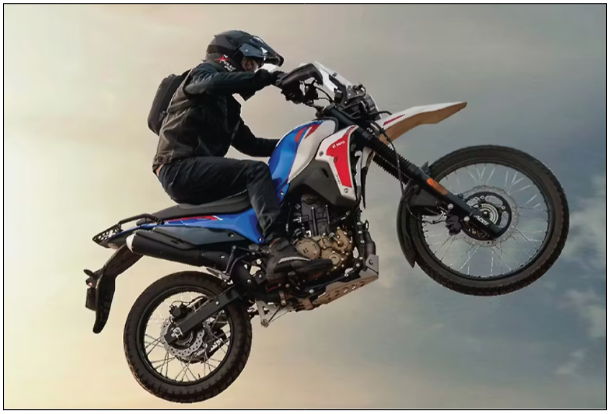
The most natural buyer is someone who regularly encounters broken surfaces, steep village roads or weekend trails. Long suspension travel, wire-spoke wheels and the raised exhaust provide useful advantages where conventional street motorcycles may scrape or feel unsettled. The Xpulse also works for a rider who values a comfortable upright posture and a wide view through traffic.
An adventurous appearance is not a substitute for a practical fit, particularly when the bike has to be handled in a crowded apartment parking area every day.
What Does the Motorcycle Offer for the Money?
BikeWale lists the Hero Xpulse 210 with a 210cc liquid-cooled engine producing approximately 24.2bhp, a six-speed gearbox and an 830mm seat height. Its indicative average ex-showroom price begins around ₹1,66,780 for the Base model, with the Top version around ₹1,75,971. Actual dealer quotations vary with location and the exact variant ordered.
Its 21-inch front wheel, long suspension movement and approximately 220mm ground clearance are intended for unpredictable surfaces. These figures do not mean the motorcycle is immune to damage. Rough riding can still harm rims, tyres, bearings and the underside, so protective riding techniques and regular inspection matter.
Base Versus Top: What Changes?
The difference is not simply a decorative paint upgrade. BikeWale lists single-channel ABS for the Base version and dual-channel ABS for the Top. The Top also has a slightly higher kerb weight. Ask the dealership to demonstrate any equipment differences on the exact motorcycles being quoted rather than relying on a promotional photograph.
A buyer who often travels with a pillion or spends more time on tarmac should examine braking and equipment closely. Off-road riders may care more about available riding modes, tyre choice and how the bike behaves on loose ground. Whichever model you choose, understand the manufacturer’s instructions before using switchable ABS functions away from paved roads.
Is the Seat Height Manageable?
An 830mm seat can feel tall, particularly to people with a shorter inseam or limited experience on uneven surfaces. Weight and seat shape affect confidence as much as height on paper. The Xpulse 210 weighs about 168kg in Base form, so moving it backwards on a slope requires more effort than pushing many ordinary commuters.
At a test ride, practise stopping on a slight incline and placing one foot securely on the ground. Try turning the handlebar at full lock while walking beside the motorcycle. If you cannot control the machine confidently without the engine running, do not assume you will somehow become comfortable because it feels exciting on an open trail.
How Well Does It Work on the Highway?
The liquid-cooled engine and sixth gear make the Xpulse 210 more adaptable to faster routes than earlier small-displacement trail bikes, but aerodynamic protection remains limited. Wind, luggage and a passenger can change comfort considerably. Ride at legal speeds and judge vibration, seat support, mirror clarity and overtaking response for yourself.
Touring riders should also examine the manufacturer’s luggage recommendations. Heavy boxes mounted high or far behind the rear axle alter balance, especially on rutted roads. Carrying extra weight may require suspension adjustment, a different tyre-pressure setting within the recommended range and more conservative braking distances.
Who Should Consider a Different Motorcycle?
Choose a lower street motorcycle if you prioritise straightforward city riding, easy mounting and economical commuting over trail capability. A lighter 125cc or 160cc commuter may be better for repeated errands, while a road-biased tourer can offer more comfortable sustained highway travel.
The older Xpulse 200 4V may appeal through used-market prices, but condition, service history and any remaining warranty deserve careful checks. Do not compare a used asking price with a new ex-showroom price as though they represent equivalent costs. Inspect the suspension, wheels and frame for evidence of hard trail use.
Calculate What You Can Genuinely Afford
Create a budget based on the final registered price, insurance, helmet, boots, gloves, potential luggage and servicing. A motorcycle used on dirt may need more frequent tyre and drivetrain attention than a city bike used gently. Include those costs before deciding how much deposit you can comfortably provide.
A bike loan emi calculator helps compare repayment choices. Enter a realistic loan amount, annual interest rate and tenure, then change one input at a time. For illustration, ₹1,20,000 financed at 12% annual reducing-balance interest for 36 months would require an EMI of roughly ₹3,986. This is a hypothetical calculation, not a lender quotation or promise of eligibility. Longer tenures can lower the instalment but increase interest paid overall.
Check processing charges, late-payment rules, compulsory insurance conditions and prepayment provisions in the written agreement. Even if a lender approves a large sum, preserve enough savings for unexpected repairs and household expenses. Try an incline start before paying the booking amount.
Make Your Purchase Decision on the Hardest Route
The strongest case for the Xpulse 210 is its ability to cover roads that discourage ordinary commuters while remaining usable for everyday trips. Test it on a realistic route, compare Base and Top equipment and seek an itemised quotation. If its height, purchase cost or daily handling creates discomfort, a less adventurous motorcycle may be the smarter choice.