Accurate water analysis is essential for environmental monitoring, industrial operations, municipal treatment systems, and laboratory research. Among the most important parameters to measure is pH, as it indicates whether water is acidic, neutral, or alkaline. To achieve reliable results, the selection of a suitable pH measuring device plays a critical role. With advancements in sensing technologies, users now have access to a range of specialized instruments designed to perform in diverse water conditions.
When evaluating the right equipment, many professionals turn to tools such as a pH Sensor for Water to ensure accurate, real-time monitoring. The ability of a sensor to withstand harsh environments, deliver stable readings, and integrate smoothly into existing systems can significantly impact both operational efficiency and data accuracy. For that reason, understanding the key features of high-quality sensors is essential before making a selection.
Measurement Accuracy and Stability
One of the most critical features in any sensor is its accuracy. High-precision electrodes are designed to detect minute changes in hydrogen ion concentration, allowing operators to maintain tight control over water conditions. Accuracy is especially important in industries such as food processing, pharmaceuticals, aquaculture, and municipal treatment facilities where even small deviations in pH can affect safety and performance.
Stability is equally important. A reliable sensor should maintain consistent readings over long periods without frequent recalibration. This ensures dependable monitoring and reduces downtime, especially in automated or remote systems.
Robust Construction for Harsh Environments
Water analysis often takes place in conditions that can damage sensitive equipment. Whether the sensor is used in wastewater, industrial effluent, or outdoor environmental monitoring, it must withstand temperature fluctuations, chemical exposure, and high levels of suspended solids. Durable housing materials, reinforced cables, and corrosion-resistant components help extend the life of the sensor while maintaining measurement integrity.
For highly contaminated water, sensors with protective coatings or specialized membranes provide better performance and reduce the risk of fouling.
Temperature Compensation Capabilities
Temperature directly influences pH readings, which makes compensation a key feature in modern sensors. Many advanced devices include built-in temperature probes that automatically adjust the reading to provide an accurate value, regardless of water temperature. This is especially useful in natural water bodies or industrial processes where temperature can change quickly.
Automatic compensation not only improves accuracy but also reduces manual correction efforts, supporting seamless integration into digital monitoring systems.
Compatibility and System Integration
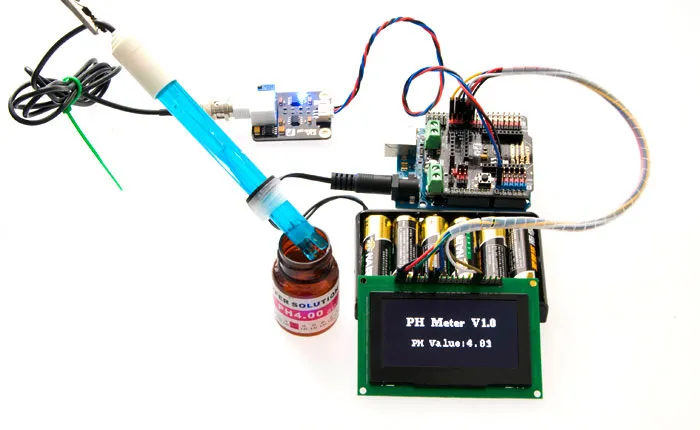
A high-quality pH sensor should easily connect to meters, controllers, or automated data logging systems. Compatibility with standard output formats such as analog signals or digital communication protocols ensures flexibility in installation. This is particularly important for large-scale plants where sensors must communicate continuously with control centers.
In modern smart water networks, sensors that support remote monitoring and wireless transmission enhance operational efficiency and allow for quicker response when pH levels drift outside acceptable limits.
Maintenance Requirements and Ease of Calibration
Even the best sensors require periodic maintenance to remain accurate. When choosing a device, consider how easy it is to clean, calibrate, and replace components such as electrodes or membranes. Sensors designed with user-friendly calibration procedures save time and reduce the risk of errors, especially in fast-paced industrial environments.
Low-maintenance designs help reduce operation costs while providing consistent reliability. Some advanced sensors also include self-diagnostic functions that alert operators when recalibration or replacement is needed.
Sensor Type and Application Suitability
Different water conditions demand different sensor technologies. For example, standard glass electrode sensors are ideal for general water testing, while rugged gel-filled electrodes perform better in wastewater or high-contaminant environments. Combination electrodes, featuring both measuring and reference elements in a single body, offer convenience and are widely used in field and laboratory applications.
Selecting the right type ensures accurate readings and prevents sensor damage, especially in demanding applications.
Long-Term Durability and Performance
A dependable sensor should offer long operational life, especially in systems that require continuous monitoring. High-quality electrodes resist dehydration, contamination, and membrane degradation. Choosing a sensor with a proven performance record reduces replacement frequency and ensures stable data collection for long-term projects, environmental surveys, and treatment operations.
Conclusion
Choosing an effective pH sensor involves evaluating a combination of features, including accuracy, durability, compatibility, temperature compensation, and maintenance requirements. Each factor contributes to consistent and reliable water quality monitoring. By selecting a sensor designed for your specific application, you can ensure accurate analysis, improved operational efficiency, and long-term performance across diverse water systems.