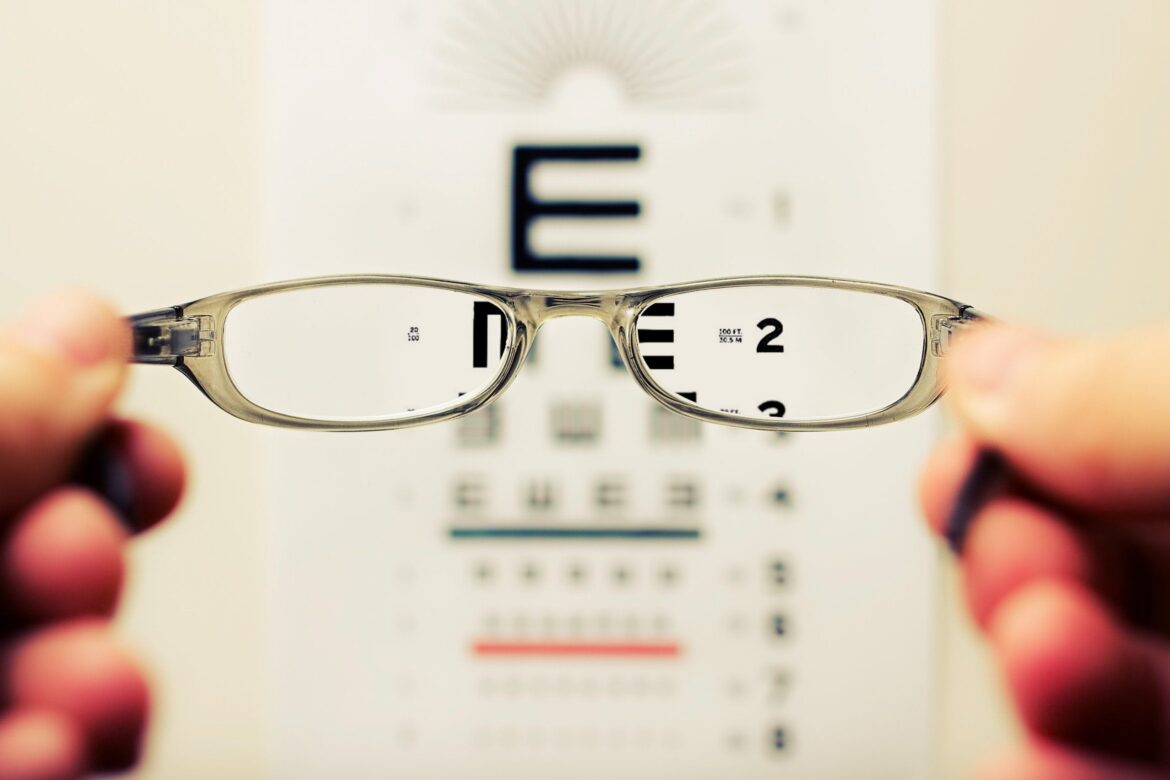
Understanding how your eye prescription translates into the 20/20 vision scale is essential for making informed decisions about your eye care. Many people receive prescriptions filled with numbers and abbreviations but struggle to understand what they mean in terms of actual visual clarity. Converting your prescription to the 20/20 scale helps you visualize the sharpness of your vision and guides you in choosing the right lenses to maintain optimal eyesight.
Many people rely on eye prescription conversions to gain a clearer understanding of their visual acuity. This process allows you to see whether your eyesight is normal, slightly impaired, or needs correction. Understanding this relationship can help you select proper corrective lenses, track changes in vision over time, and communicate more effectively with eye care professionals.
What Is the 20/20 Vision Scale?
The 20/20 vision scale is a standardized measurement of visual acuity, indicating how clearly a person can see at a distance of 20 feet.
- 20/20 vision: Normal visual acuity, meaning you can see at 20 feet what a person with standard vision can see at 20 feet.
- 20/40 vision: You must be 20 feet away to see what a person with normal vision can see at 40 feet.
- 20/10 vision: Your eyesight is sharper than average; you can see at 20 feet what a normal person can only see at 10 feet.
This scale gives an easy-to-understand reference point for comparing your eyesight against the standard baseline of normal vision.
Understanding an Eye Prescription
An eye prescription contains a set of numbers and abbreviations representing the specific requirements for corrective lenses. The main components include:
- Sphere (SPH): Indicates the degree of nearsightedness (myopia) or farsightedness (hyperopia).
- Cylinder (CYL): Represents the amount of astigmatism in the eye.
- Axis: The orientation of astigmatism in degrees.
- Add: Additional magnification needed for reading or near tasks, typically found in multifocal lenses.
Each component plays a vital role in ensuring your lenses provide clear vision at the correct distances. Converting these numbers into the 20/20 scale allows you to interpret your prescription in practical, real-world terms.
How to Convert Your Eye Prescription to 20/20 Vision
Converting an eye prescription to the 20/20 scale is straightforward once you understand the main components of your prescription.
Step 1: Identify the Sphere Value
- Negative SPH values indicate nearsightedness, meaning distant objects appear blurry.
- Positive SPH values indicate farsightedness, meaning nearby objects appear blurry.
Step 2: Use a Conversion Chart or Online Tool
Several charts and online calculators can help translate SPH values into the 20/20 vision scale. These resources estimate your visual acuity based on diopter measurements, providing a simplified number that reflects your clarity of vision.
Step 3: Consider Astigmatism
Astigmatism, measured as CYL and Axis, may slightly modify your visual acuity and should be included in the conversion process. Accurate conversion ensures the final 20/20 equivalent reflects your overall eyesight.
Step 4: Account for Multifocal Additions
If your prescription includes an Add for reading or other near-vision tasks, factor it into your conversion to estimate near vision on the 20/20 scale.
Interpreting Your 20/20 Equivalent
After conversion, your 20/20 scale number provides a clear picture of your visual acuity:
- 20/20: Standard normal vision
- 20/30 to 20/40: Mild visual impairment; correction may be optional depending on activities
- 20/50 to 20/70: Moderate visual impairment; corrective lenses recommended
- 20/80 and below: Significant vision loss; lenses or further medical evaluation are essential
This interpretation allows you to understand the real-world impact of your prescription on daily tasks such as driving, reading, or working on a computer.
Why Converting Your Eye Prescription Matters
1. Informed Lens Selection
Understanding your 20/20 equivalent ensures that glasses or contacts are tailored to your specific visual needs, enhancing clarity and comfort.
2. Better Communication with Eye Professionals
When you know your 20/20 equivalent, it’s easier to discuss vision quality with your optometrist or ophthalmologist, ensuring more precise recommendations.
3. Track Vision Changes Over Time
Monitoring your 20/20 equivalent helps detect early signs of visual deterioration, allowing for timely adjustments in corrective lenses or medical intervention.
4. Adjust Lifestyle for Better Eye Health
Knowing your actual visual clarity can guide activities such as reading distance, screen time, and outdoor tasks, reducing eye strain and improving safety.
Common Misconceptions About Eye Prescriptions
- All prescriptions with the same SPH give the same vision: False; astigmatism and multifocal additions can affect clarity.
- 20/20 vision is perfect vision: Not necessarily; some individuals naturally see better than 20/20.
- Conversion provides exact accuracy: 20/20 equivalents are estimates, providing a practical interpretation rather than an exact measure.
Understanding these nuances helps set realistic expectations and guides proper lens selection.
Tips for Maintaining Optimal Vision
- Schedule regular eye exams every 1–2 years
- Wear prescribed corrective lenses consistently
- Protect eyes from UV light with sunglasses
- Take breaks from screens to reduce eye strain
- Maintain a diet rich in vision-supporting vitamins like A, C, and E
Following these tips ensures your vision stays healthy while maximizing the benefit of corrective lenses.
When to Consult an Eye Care Professional
Consult an optometrist or ophthalmologist if you notice:
- Blurred or double vision
- Headaches due to eye strain
- Difficulty focusing at multiple distances
- Rapid changes in vision
Professionals can interpret your eye prescription accurately, convert it to the 20/20 scale, and recommend the best corrective solutions.
Final Thoughts
Converting your eye prescription to the 20/20 scale simplifies understanding your visual acuity and empowers you to make informed decisions about lenses and eye care. The process transforms technical prescription data into a practical representation of your vision, helping you choose corrective options that fit your lifestyle.
Understanding your 20/20 equivalent ensures clear vision, reduces eye strain, and supports long-term eye health. With the right knowledge, you can confidently manage your eyesight and select the best lenses to maintain sharp, comfortable, and healthy vision every day.