
Introduction
In the medical device industry, the choice of connectors can significantly impact the performance, safety, and reliability of equipment. Manufacturers of medical devices face a critical decision when selecting suppliers: whether to prioritize cost or quality. While budget considerations are important, compromising on quality can lead to device malfunctions, regulatory issues, and patient safety risks. Understanding the balance between cost and quality is essential for making informed decisions when choosing a supplier for critical components like connectors.
The Role of Connector Manufacturers
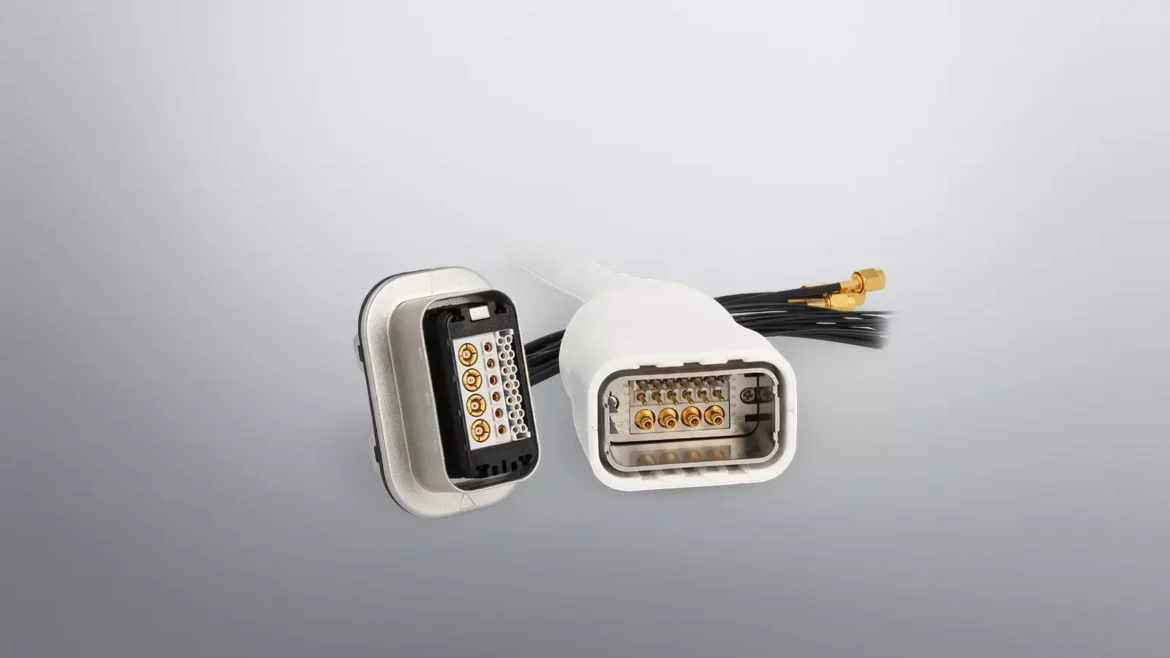
Medical connectors are integral to the safe and efficient operation of devices, transmitting power, data, and signals between components. Choosing the right supplier requires careful evaluation of both the cost and quality of products. High-quality medical connector manufacturers provide reliable, durable, and compliant connectors that meet industry standards. For medical device developers seeking trustworthy solutions, medical connector manufacturers offer products that combine precision engineering, robust materials, and strict quality control processes, ensuring that devices perform safely and effectively over their lifecycle.
Understanding Cost Factors
Cost is often the first consideration for device manufacturers, especially when producing at scale. Factors influencing the price of medical connectors include materials, manufacturing processes, labor, and compliance with regulatory standards. High-performance materials such as gold-plated contacts, corrosion-resistant alloys, and specialized polymers can increase manufacturing costs but are essential for reliable electrical performance and durability. Similarly, precision engineering, quality testing, and compliance with standards like ISO 13485 or IEC 60601 contribute to the overall cost of connectors. Lower-priced alternatives may reduce upfront expenses but can introduce risks related to reliability, lifespan, and safety.
The Importance of Quality
Quality in medical connectors encompasses several critical aspects, including electrical performance, mechanical durability, biocompatibility, and regulatory compliance. High-quality connectors ensure consistent conductivity, minimize signal interference, and withstand repeated use and sterilization cycles. These characteristics are vital for devices such as patient monitors, imaging equipment, and surgical instruments, where connector failure can compromise patient safety and lead to costly downtime. Investing in quality connectors reduces maintenance costs, prevents device failures, and enhances the reputation of the medical device manufacturer.
Balancing Cost and Performance
The decision between cost and quality is not always straightforward. While lower-cost connectors may appear attractive, they often compromise critical performance parameters. A connector that fails to maintain signal integrity, withstand mechanical stress, or resist sterilization can lead to device recalls, regulatory fines, and liability issues. High-quality connectors, though more expensive initially, provide long-term value by ensuring reliability, compliance, and patient safety. Device manufacturers must evaluate the total cost of ownership, including maintenance, replacement, and potential downtime, when selecting suppliers.
Factors to Consider When Choosing a Manufacturer
When evaluating suppliers, several factors help balance cost and quality:
- Material Selection – High-grade conductive and insulating materials ensure durability and performance.
- Regulatory Compliance – Manufacturers should meet standards such as ISO 13485, IEC 60601, and FDA regulations.
- Testing and Quality Control – Rigorous testing ensures connectors can withstand electrical, mechanical, and environmental stresses.
- Customization Capabilities – The ability to provide custom solutions for unique device requirements can enhance device functionality.
- Reputation and Experience – Established manufacturers with a history of producing reliable connectors are less likely to compromise quality.
Evaluating these factors helps medical device manufacturers choose suppliers that offer an optimal balance of cost and quality.
Long-Term Benefits of Quality Connectors
Investing in high-quality connectors provides long-term advantages beyond immediate device performance. Reliable connectors reduce maintenance and replacement costs, prevent operational disruptions, and enhance device lifespan. They also improve patient safety and regulatory compliance, which is critical for maintaining trust in medical devices. Furthermore, quality connectors support innovation by enabling advanced device designs, higher data transmission rates, and compact form factors without compromising reliability.
Conclusion
Choosing the right manufacturer requires a careful balance between cost and quality. While budget considerations are important, prioritizing quality ensures the safety, reliability, and longevity of medical devices. High-quality medical connector manufacturers provide durable, compliant, and high-performance components that minimize risks and enhance device functionality. By evaluating factors such as material selection, regulatory compliance, quality control, and customization capabilities, device manufacturers can make informed decisions that optimize both cost efficiency and device performance. Ultimately, investing in quality connectors is an investment in patient safety, device reliability, and long-term success in the healthcare industry.