
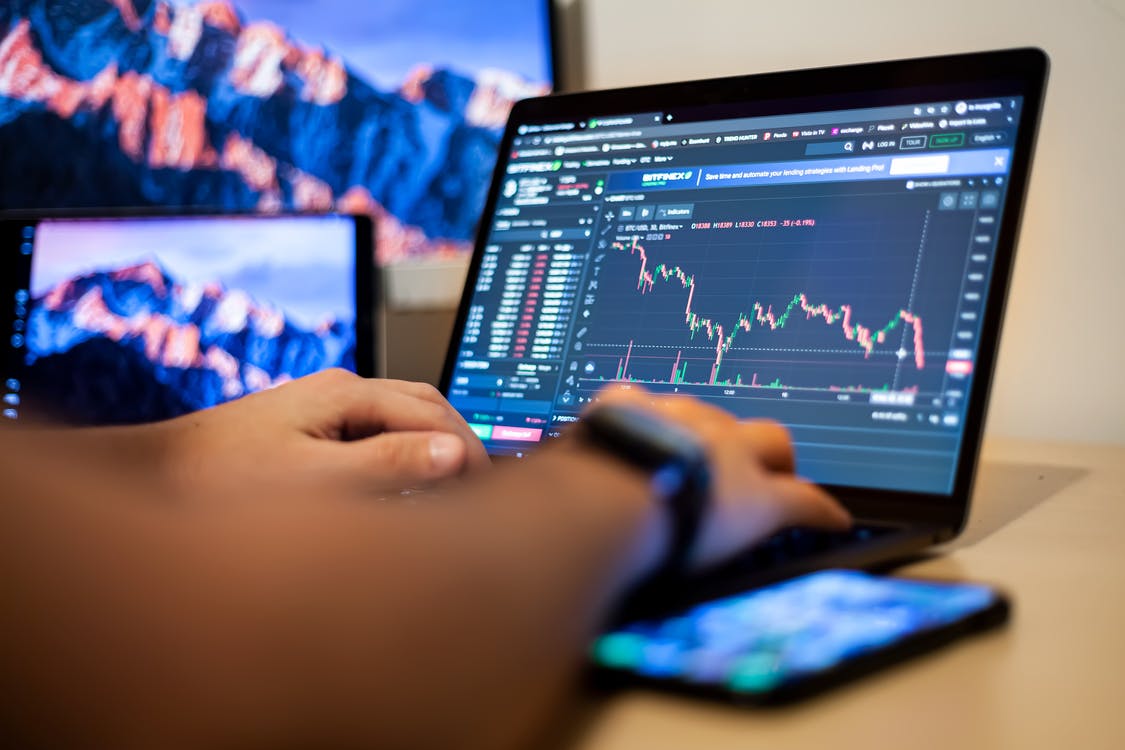
An educational fixture establishes itself in any subject when it is useful and accessible enough to anchor the opening stages of a systematic curriculum. The RSI occupies a central position in South Korean trading education, appearing in university investment club curricula, Korean-language trading YouTube channels, weekend study groups, and the introductory sessions of broker-organized seminars.
The way the relative strength index is taught in the Korean context differs from how it is presented in English-language trading content aimed at international audiences. The Korean approach to trading education emphasizes systematic understanding of the indicator rather than rule application, which produces RSI education that goes further into the mathematics underlying the indicator and the implications of that mathematics for reading its signals. Students who grasp the logic behind the indicator’s calculation and how this produces the normalized oscillator the indicator displays are more likely to use it in a genuinely contextual way than those who have only been taught the rules.
The collective study of the relative strength index in Korean trading groups has produced a form of analytical development that individual self-study does not readily replicate. Groups that have examined indicator behavior under various market regimes together, built frameworks for assessing the indicator’s reliability in trending versus ranging conditions, and established shared approaches for incorporating readings into broader analysis develop a collective intelligence for the indicator that each member can draw on after benefiting from the group’s combined experience. This form of development is specific to the study group culture that Korean trading has adopted in technical education, producing a depth of indicator understanding that individual practitioners would take considerably longer to develop through chart observation alone.
The mathematics and engineering backgrounds that many Korean retail traders bring to market participation make them more attuned to the quantitative dimension of the indicator than trading populations with different educational profiles. The indicator’s formula is accessible enough for mathematically educated Korean traders to reconstruct independently, and can be verified to understand how its sensitivity and signal frequency change as its parameters are adjusted. That ability to engage with the mathematical basis rather than treating the indicator as a black box generates confidence and flexibility in application, as traders who understand the calculation can assess the reliability of the indicator’s signals under specific market conditions in contrast to traders who apply the indicator without understanding its underlying calculation.
The fixture status the indicator holds in Korean trading education delivers value beyond its analytical utility, providing a shared reference point that benefits the community as a whole. When most active Korean traders are familiar with at least the foundational concepts of the indicator, that common ground helps the trading community communicate analytical concepts more efficiently. A forum discussion of a specific setup, a study group session using the indicator as the shared language of analysis, or a mentor-student exchange all benefit from that shared base. This communicative efficiency accumulates value across the community’s collective learning processes in ways that are not easily measured but are clearly reflected in the efficiency with which Korean trading knowledge circulates through the community’s established channels.
The status of the relative strength index as an integral part of South Korean trading education reflects the combined effect of genuine analytical utility, mathematical accessibility for an educationally prepared audience, and the compounding value of a shared educational foundation that makes a common analytical language useful across the community. Where more sophisticated and contextual use of the indicator has emerged, the fixture’s foundational educational role has likely been surpassed by the more contextual and sophisticated application that experienced Korean traders have developed.