
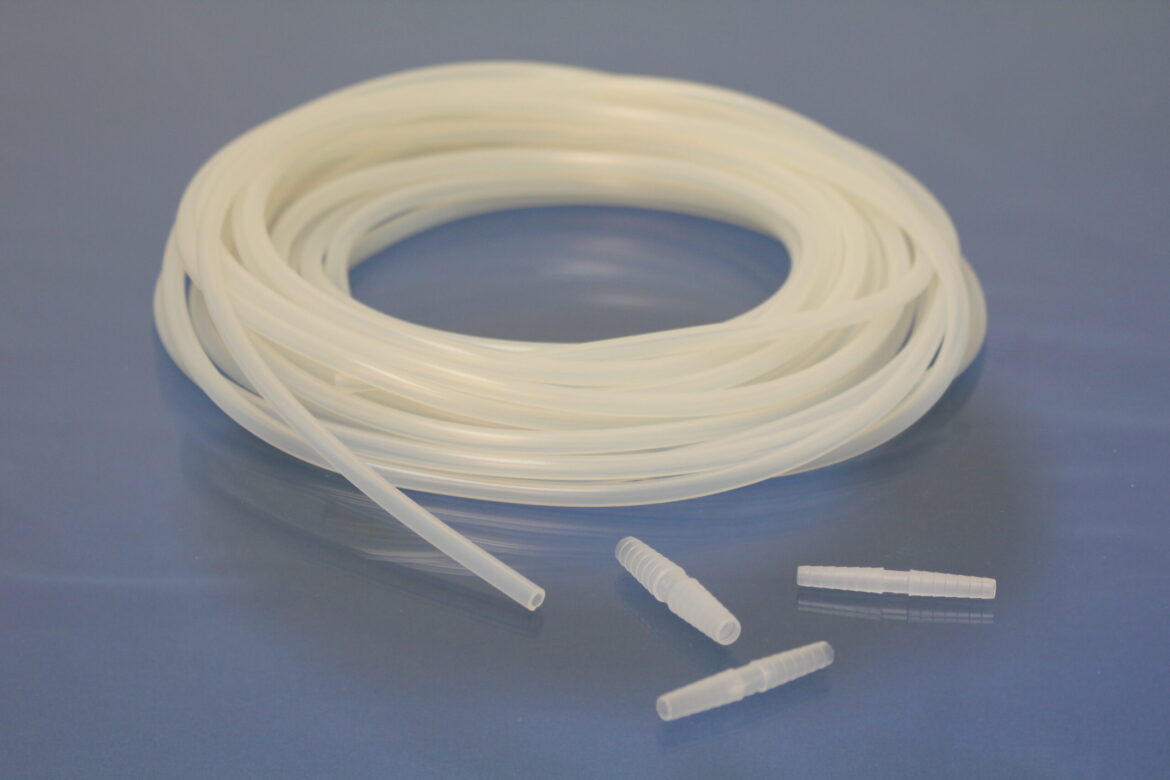
Silicone tubing is widely used in industries such as healthcare, pharmaceuticals, food processing, biotechnology, automotive engineering, and industrial manufacturing. Because these industries often require high precision and strict safety standards, choosing the right manufacturing partner is a critical decision. Before working with a supplier, businesses must understand key factors that influence product quality, reliability, and long-term performance.
Selecting the right partner is not just about cost; it involves evaluating technical capability, compliance, and consistency in production. Many companies begin their sourcing journey by researching a reliable Silicone Tube Manufacturer to understand industry standards, product quality, and available customization options. This early research helps businesses avoid risks and ensures they partner with manufacturers capable of meeting demanding application requirements.
Understand Your Application Requirements
Before engaging with a silicone tube manufacturer, it is essential to clearly define your application needs. Different industries require different tubing characteristics such as flexibility, chemical resistance, temperature tolerance, or biocompatibility.
For example, medical applications require sterile, non-toxic, and biocompatible tubing, while industrial systems may prioritize durability and resistance to harsh chemicals. Without clear specifications, it becomes difficult to communicate requirements effectively, which can lead to product mismatches or performance issues.
Evaluate Manufacturing Capabilities
One of the most important aspects to consider is the manufacturer’s production capability. Silicone tubing is typically produced through extrusion processes that require precision equipment and controlled environments.
A capable manufacturer should have advanced machinery, automated systems, and consistent production workflows. This ensures uniform wall thickness, accurate dimensions, and stable product quality. Businesses should also assess whether the manufacturer can handle both small custom orders and large-scale production runs.
Check Material Quality and Sourcing Standards
The quality of silicone tubing largely depends on the raw materials used in production. High-quality manufacturers use carefully selected silicone compounds that meet industry-specific standards.
Medical-grade, food-grade, and industrial-grade silicone all serve different purposes. It is important to confirm that the manufacturer sources high-purity materials and provides documentation regarding material composition. Poor-quality raw materials can lead to product failure, contamination, or reduced lifespan.
Verify Certifications and Compliance
Certifications are a strong indicator of a manufacturer’s reliability and commitment to quality. Before working with a supplier, businesses should verify compliance with international standards such as ISO 9001, ISO 13485, FDA regulations, and USP Class VI certification.
These certifications ensure that the manufacturing process meets strict safety and quality requirements. In regulated industries like healthcare and food production, compliance is not optional but mandatory for legal and operational safety.
Assess Quality Control Processes
A strong quality control system is essential when evaluating a silicone tube manufacturer. Reliable manufacturers implement multiple inspection stages throughout production, including raw material testing, in-process monitoring, and final product evaluation.
Common tests include tensile strength analysis, elongation testing, pressure resistance checks, and chemical compatibility assessments. These procedures ensure that the tubing performs consistently and meets required specifications before delivery.
Consider Customization Capabilities
Many industries require silicone tubing tailored to specific applications. Before choosing a manufacturer, businesses should evaluate their ability to provide customization options such as different diameters, wall thicknesses, hardness levels, colors, or reinforced structures.
Manufacturers with strong customization capabilities can develop solutions that improve performance and efficiency in specialized applications. This is especially important in medical, laboratory, and industrial systems where standard products may not be sufficient.
Review Production Scalability and Lead Times
Scalability is another important factor when working with a silicone tube manufacturer. Businesses should ensure that the supplier can handle increasing order volumes without compromising quality.
Lead time is also critical, especially for industries that rely on continuous production. Manufacturers with efficient workflows and strong supply chain systems can deliver products faster and more reliably, reducing downtime and operational delays.
Evaluate Industry Experience and Expertise
Experience plays a key role in determining the reliability of a manufacturer. Companies with long-term industry experience are more likely to understand complex requirements and provide better technical support.
Experienced manufacturers are also better equipped to handle regulatory challenges, material selection, and product optimization. Their expertise can help businesses avoid common issues and improve overall product performance.
Understand Pricing and Total Value
While cost is an important factor, it should not be the only consideration. Low pricing may sometimes indicate lower quality or limited support services. Instead, businesses should evaluate the overall value offered by the manufacturer.
This includes product quality, certification, customization options, delivery reliability, and technical support. A balanced approach ensures better long-term performance and reduces operational risks.
Check Communication and Customer Support
Effective communication is essential when working with a silicone tube manufacturer. Reliable suppliers provide clear responses, technical guidance, and consistent updates throughout the production process.
Strong customer support ensures that specifications are properly understood and reduces the risk of errors. It also helps resolve issues quickly if any adjustments are needed during production or delivery.
Conclusion
Before working with a silicone tube manufacturer, businesses must carefully evaluate several critical factors, including application requirements, manufacturing capabilities, material quality, certifications, and customization options. Each of these elements plays an important role in ensuring product performance and reliability.
By taking a structured approach and selecting a qualified manufacturing partner, companies can reduce risks, improve efficiency, and ensure long-term success in their operations.