
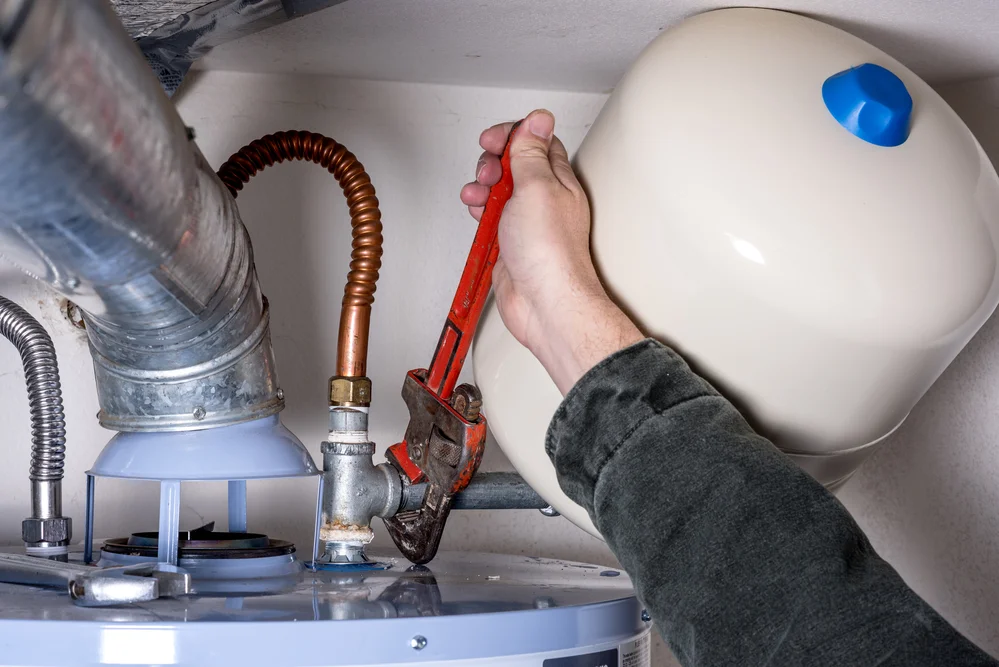
A leaking water heater can disrupt your daily routine, cause water damage, and increase utility bills. Even small leaks, if left unattended, may lead to corrosion, rust, or structural damage to your home. Identifying the source of the leak and addressing it promptly is essential for maintaining a safe and efficient hot water system.
A water heater leaking repair involves inspecting the unit, replacing faulty components, and ensuring proper installation and sealing. Understanding the causes, warning signs, repair methods, and preventive measures helps homeowners maintain a reliable water heating system while avoiding unnecessary costs.
Common Causes of Water Heater Leaks
Water heaters can develop leaks for several reasons. Knowing the cause helps determine the best repair approach.
1. Corrosion and Rust
Over time, the tank or internal components may corrode due to prolonged exposure to water. Rust weakens the tank walls and can lead to small leaks, often at the bottom of the unit.
2. Loose or Damaged Pipes
Pipes connected to the water heater may loosen or develop cracks, causing water to drip. Leaks may appear around inlet and outlet connections or the pressure relief valve.
3. Faulty Temperature and Pressure Relief Valve
The T&P valve is a safety component that releases water if the temperature or pressure exceeds safe levels. A malfunctioning valve may leak continuously.
4. Excessive Pressure
High water pressure in the plumbing system can stress the tank and its components, leading to leaks or cracks over time.
5. Sediment Buildup
Mineral deposits from hard water accumulate at the bottom of the tank. Over time, this sediment can damage the tank lining, creating pinhole leaks and reducing heating efficiency.
6. Aging Water Heater
Older units are more prone to leaks as seals, washers, and the tank itself degrade naturally over time.
Signs You Need Water Heater Repair
Recognizing early warning signs can prevent more severe damage:
- Puddles of water around the base of the heater
- Rust-colored water coming from taps
- Hissing or dripping noises from the tank
- Fluctuating water temperature
- Water damage to nearby walls, flooring, or cabinetry
DIY Solutions for Minor Water Heater Leaks
Some minor leaks can be addressed by homeowners with basic tools and safety precautions.
1. Tighten Connections
Check all pipe connections, fittings, and the T&P valve. Tighten loose nuts and bolts to stop leaks around joints.
2. Replace Faulty Valves or Washers
A leaking valve can often be repaired by replacing the washer or the entire valve. Turn off the water supply and power before attempting this repair.
3. Drain and Flush the Tank
Sediment buildup can be reduced by draining and flushing the tank regularly. This minimizes damage to the tank lining and reduces the risk of leaks.
4. Apply Sealant for Minor Pinholes
Small pinhole leaks may be temporarily sealed with epoxy or plumber’s sealant. While this is not a permanent solution, it can prevent immediate water damage until professional repair is arranged.
When to Call a Professional
Certain leaks require expert intervention. Homeowners should consult a professional in these cases:
- Leaks from the tank itself indicating corrosion or cracks
- Continuous leakage despite DIY fixes
- Malfunctioning T&P valve that cannot be replaced safely
- Water damage affecting floors, walls, or electrical systems
- Leaks in older units where multiple components may need replacement
Professional plumbers can safely repair or replace leaking components, inspect the entire water heating system, and ensure compliance with safety standards.
Preventive Measures for a Long-Lasting Water Heater
Preventing leaks helps extend the lifespan of the water heater and reduces maintenance costs:
- Perform routine inspections of valves, pipes, and the tank
- Flush the tank every 6–12 months to remove sediment
- Install a pressure-reducing valve if your water system has high pressure
- Avoid harsh chemical cleaners that can damage seals and components
- Replace aging units proactively before leaks develop
Benefits of Timely Water Heater Leak Repair
Repairing a leaking water heater promptly provides multiple advantages:
- Reduces water wastage and lowers utility bills
- Prevents water damage to floors, walls, and cabinetry
- Maintains a consistent supply of hot water
- Extends the lifespan of the water heater and its components
- Improves safety by preventing electrical hazards and mold growth
Conclusion
A water heater leaking repair is essential for maintaining a functional, safe, and efficient home water system. By identifying the root cause, performing timely repairs, and adopting preventive measures, homeowners can avoid extensive damage and costly replacements. Routine inspections, minor DIY fixes, and professional assistance when needed ensure that your water heater remains leak-free, reliable, and long-lasting, providing consistent hot water for daily use.