
Every sim racing lap tells a story written by the track itself. Corners demand precision, straights test nerves, and elevation changes challenge control. Track design quietly shapes every decision a driver makes. Understanding how layouts influence performance can unlock smoother laps, sharper focus, and more consistent race results.
Introduction: Why the Track Matters More Than You Think
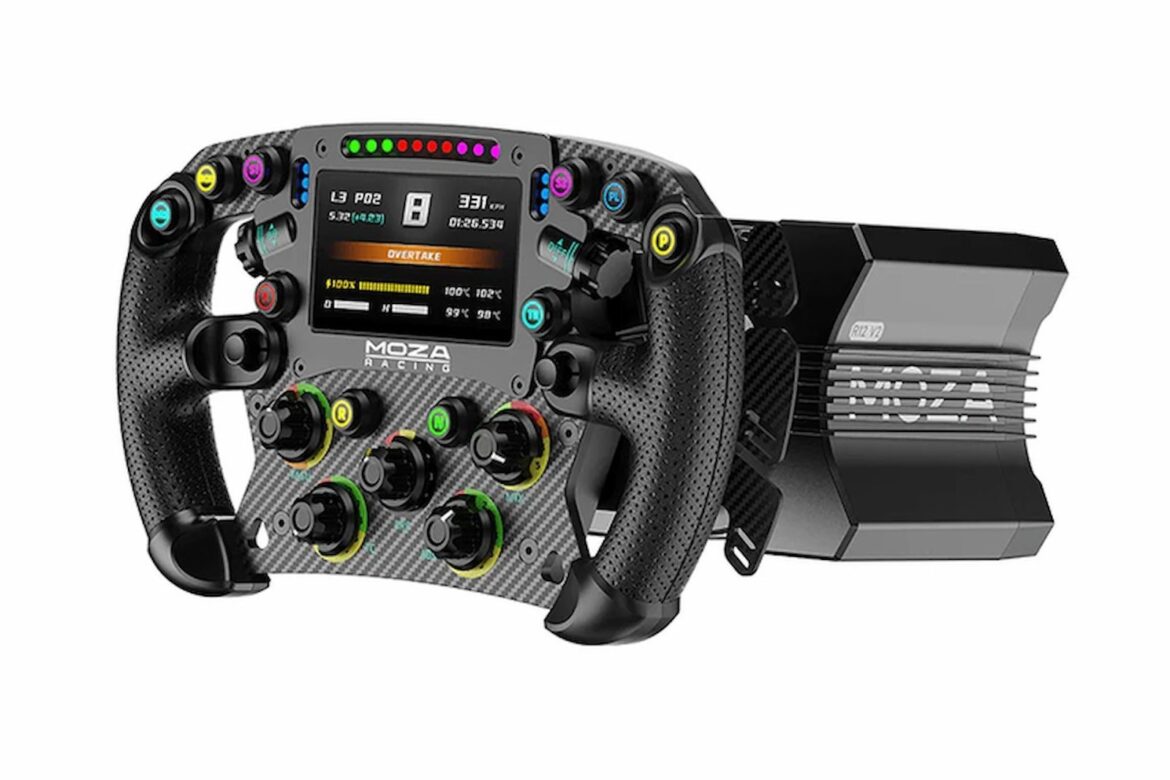
In sim racing, performance is not defined by driver skill alone. The design of the track plays an equally powerful role in shaping lap times, consistency, and mental workload. From corner radius and elevation to surface flow and visibility, each circuit imposes unique demands on the driver. Even with high-end equipment such as the Moza R9 Bundle, success depends on how well a driver understands and adapts to the character of a circuit rather than relying purely on reflexes or raw speed.
Track design influences braking points, steering input, throttle modulation, and even decision-making under pressure. Some layouts reward aggression, while others demand patience and rhythm. When drivers misread these signals, mistakes compound quickly. When they read them correctly, performance improves almost effortlessly.
The Relationship Between Layout Flow and Driving Rhythm
How Track Flow Shapes Consistency
Track flow refers to how smoothly corners and straights connect. Circuits with flowing layouts encourage continuous momentum and predictable transitions. These tracks reward drivers who maintain balance and avoid abrupt inputs. In contrast, stop-start layouts interrupt rhythm and require frequent resets in braking and acceleration technique.
Drivers often perform better on tracks that match their natural rhythm. When flow feels intuitive, steering corrections reduce, lap times stabilise, and fatigue sets in more slowly. Poor flow, however, increases mental strain and raises the likelihood of small but costly errors.
Corner Design and Its Impact on Precision
Why Corner Radius Changes Everything
Corner geometry is one of the most influential aspects of track design. Wide, sweeping corners allow progressive steering and gradual throttle application, while tight hairpins demand sharp braking and precise rotation. The transition between corner types forces drivers to constantly recalibrate inputs.
In sim racing, corner design also affects feedback interpretation. Subtle changes in camber or radius can alter how force feedback communicates grip levels. Drivers who anticipate these variations tend to maintain control longer, particularly during long sessions or endurance races.
Elevation, Visibility, and Driver Confidence
The Psychological Side of Track Design
Elevation changes add complexity that goes beyond vehicle control. Uphill braking zones reduce visibility and challenge depth perception, while downhill corners amplify speed perception and braking sensitivity. These factors influence confidence, not just technique.
When visibility is limited, drivers rely more on memory and spatial awareness. This increases cognitive load and makes consistency harder to maintain. Understanding elevation profiles allows drivers to plan inputs earlier, reducing reaction-based driving and improving overall smoothness.
Track Width, Racing Lines, and Decision-Making
How Space Alters Strategy
Track width directly affects racing line flexibility. Wider circuits offer multiple viable lines, encouraging experimentation and adaptability. Narrow tracks demand precision and punish overcorrection. This distinction influences how drivers approach overtakes, defensive positioning, and error recovery.
In sim racing, narrow layouts often amplify pressure. Drivers must commit fully to each input, knowing there is little margin for correction. Wide layouts, by contrast, reward strategic positioning and smoother adjustments, particularly during long stints.
Surface Design and Feedback Interpretation
Reading the Track Through the Wheel
Although surface detail is simulated, track design still dictates how grip variation feels through force feedback. Smooth, modern circuits deliver predictable responses, while older or technical layouts introduce subtle inconsistencies that challenge control.
Mid-session adaptation becomes critical here. Drivers using equipment such as the Moza R9 bundle benefit from recognising how different sections of a track communicate grip loss or load transfer. This awareness helps refine braking pressure and steering angle without overreacting to feedback changes.
Mental Load and Track Complexity
Why Simpler Tracks Can Be Faster
Complex tracks demand constant attention. Frequent direction changes, blind corners, and uneven elevation increase cognitive effort. While challenging layouts are engaging, they often reduce consistency over time.
Simpler tracks allow drivers to focus on execution rather than survival. This does not make them easier, but it shifts the challenge toward optimisation rather than reaction. Drivers who manage mental load effectively often achieve faster average lap times, even if peak speed remains similar.
Adapting Driving Style to Track Design
Matching Technique to Layout
One of the most overlooked skills in sim racing is adaptability. No single driving style works everywhere. Flowing tracks reward early throttle commitment, while technical circuits require delayed inputs and careful weight transfer management.
Drivers who consciously adjust steering aggression, braking depth, and throttle timing based on track design gain a measurable advantage. This adaptability reduces error rates and improves race endurance, particularly on unfamiliar circuits.
Conclusion
Track design is not just a backdrop in sim racing; it is an active participant in every lap. Layout flow influences rhythm, corner geometry dictates precision, elevation affects confidence, and track width shapes decision-making. When drivers ignore these factors, performance plateaus quickly. When they embrace them, progress becomes more natural and sustainable.
Understanding track design reduces mental load, improves consistency, and sharpens input timing. It allows drivers to anticipate challenges rather than react to them. Equipment quality matters, but performance gains come from interpreting what the track demands and responding with the right technique. Tools such as the Moza R9 bundle can enhance feedback clarity, but it is the driver’s awareness that transforms information into speed.