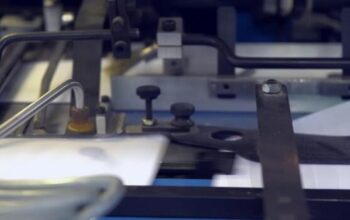

Punch press machines are essential equipment in the metalworking and fabrication industry. They are used for shaping, cutting, and forming metal sheets with precision, making them a cornerstone of modern manufacturing operations. Understanding how these machines are manufactured can provide insight into their functionality, durability, and efficiency. This knowledge is also valuable for businesses when selecting a reliable supplier to meet production demands.
Design and Engineering
The manufacturing process of punch press machines begins with detailed design and engineering. Manufacturers invest significant effort into creating precise designs that ensure structural stability, accuracy, and long-term performance. During this phase, engineers use computer-aided design (CAD) software to model the machine’s components, including the frame, ram, die, and control systems. Stress analysis and simulations are often conducted to identify potential weaknesses and optimize the machine for various operational conditions. This careful planning ensures that the punch press can handle the required force, speed, and workload without compromising safety or accuracy.
Material Selection and Component Fabrication
Once the design is finalized, the focus shifts to material selection and component fabrication. High-quality steel and alloys are commonly used to produce the frame, ram, and other critical parts, as these materials provide the strength and durability needed for high-pressure operations. Advanced Punch Press Machine Manufacturers carefully source raw materials and implement strict quality control measures to ensure consistency. Components such as gears, shafts, and bearings are precision-machined to tight tolerances, ensuring smooth movement and long-lasting performance. The fabrication process often involves cutting, welding, casting, and forging, depending on the part’s function and complexity.
Assembly and Precision Alignment
After individual components are fabricated, the assembly process begins. This stage requires meticulous attention to detail, as proper alignment of moving parts is crucial for the machine’s accuracy and safety. Skilled technicians assemble the frame, attach the ram, install the die, and integrate the hydraulic or mechanical drive systems. During assembly, precise calibration tools are used to ensure that all parts are correctly aligned and can operate under load without excessive wear or vibration. Any misalignment at this stage could affect the machine’s performance and reduce its lifespan, highlighting the importance of expertise in the assembly process.
Integration of Control Systems
Modern punch press machines often incorporate advanced control systems to enhance functionality, automation, and safety. These systems include programmable logic controllers (PLCs), touch-screen interfaces, and sensors that monitor operational parameters such as speed, pressure, and positioning. Integration of these systems is a critical step in the manufacturing process, as it allows operators to program complex punching sequences, adjust parameters quickly, and maintain precise control over production. Manufacturers prioritize reliable and user-friendly interfaces to minimize errors and improve efficiency.
Testing and Quality Assurance
Before a punch press machine leaves the factory, it undergoes rigorous testing and quality assurance checks. This stage ensures that the machine meets design specifications, operates safely, and delivers consistent results. Testing often includes trial runs with sample metal sheets, load testing to verify force capacity, and inspection of critical components for wear or misalignment. Manufacturers also perform safety tests to ensure that emergency stops, guards, and other protective measures function correctly. Comprehensive testing guarantees that the final product meets both industry standards and customer expectations.
Customization and Final Adjustments
Many manufacturers offer customization options to adapt punch press machines to specific production requirements. Adjustments may include changes in stroke length, die configurations, automation levels, or material handling systems. Customization ensures compatibility with existing operations, enhances productivity, and allows businesses to maximize their return on investment. Manufacturers may also provide operator training and maintenance guidance to ensure that the machine performs optimally throughout its lifespan.
Packaging and Delivery
The final stage in the manufacturing process is packaging and delivery. Punch press machines are carefully packaged to prevent damage during transit, often using reinforced crates and protective coatings. Manufacturers coordinate logistics to ensure timely delivery and may offer on-site assembly or installation services. Proper handling during this stage is essential to preserve the precision and integrity of the machine, allowing it to be operational immediately upon installation.
Conclusion
The manufacturing process of punch press machines is a complex and meticulous procedure involving design, material selection, component fabrication, assembly, control system integration, testing, customization, and delivery. Each stage plays a vital role in ensuring that the machine delivers reliable performance, precision, and safety. By understanding this process, businesses can make informed decisions when selecting equipment and choosing trusted suppliers. Working with experienced Punch Press Machine Manufacturers ensures access to high-quality machines that meet production requirements and provide long-term value for industrial operations.