
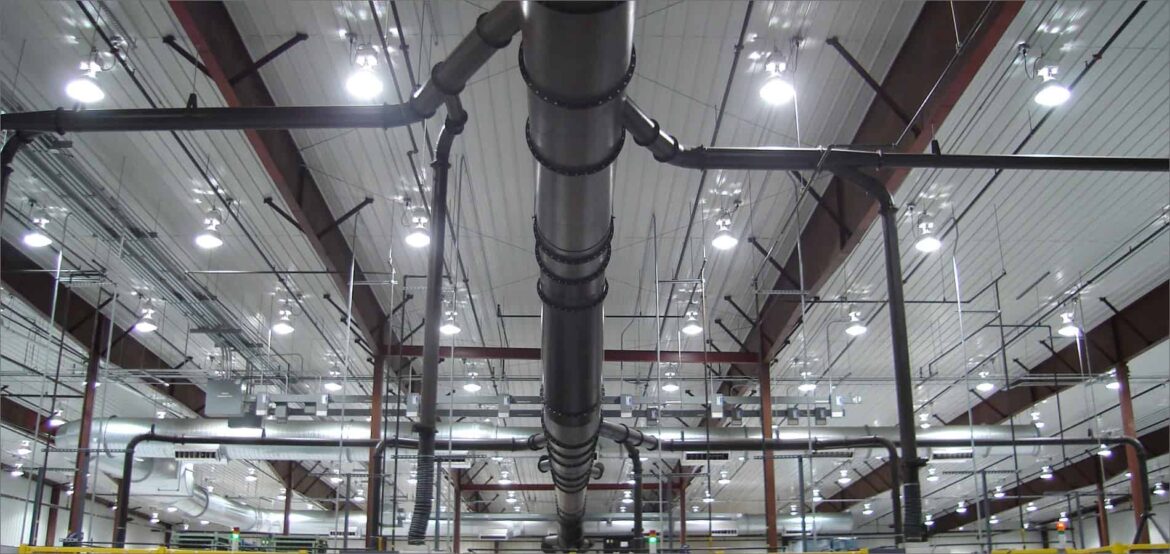
The ductwork fabrication industry has undergone significant transformation in recent years, driven by technological advancements, increasing energy efficiency standards, and growing demand for sustainable HVAC solutions. Fabricating high-quality duct systems is crucial for optimal airflow, thermal performance, and long-term durability in residential, commercial, and industrial settings. With the evolution of tools, materials, and methods, the industry is now embracing innovative solutions that improve accuracy, reduce labor costs, and enhance overall system efficiency.
Modern Ductwork Fabrication integrates automated machinery, advanced design software, and precision engineering to streamline production processes. This shift toward technological innovation addresses the challenges faced by traditional fabrication methods, including errors in cutting and assembly, material waste, and lengthy installation times. As the HVAC industry continues to evolve, these innovations are setting new benchmarks for performance and sustainability.
Automation and CNC Technology
One of the most significant trends in ductwork fabrication is the adoption of automation and computer numerical control (CNC) technology. Automated cutting, bending, and assembly machines allow for high precision and repeatability, reducing human error and increasing production speed. CNC machines can produce complex duct shapes, transitions, and elbows with minimal manual intervention, ensuring that components fit perfectly during installation.
Automation also enables manufacturers to scale production efficiently, meeting the demands of large commercial projects without compromising quality. By integrating CNC technology into fabrication workshops, contractors can reduce material wastage, improve accuracy, and optimize workflow, resulting in cost-effective and reliable duct systems.
Advanced Design and Modeling Software
The use of advanced design software and 3D modeling tools is transforming how duct systems are planned and fabricated. Digital modeling allows engineers to simulate airflow, thermal performance, and acoustics before production begins. This predictive approach reduces the risk of errors, identifies potential bottlenecks, and ensures that duct components meet performance specifications.
BIM (Building Information Modeling) integration is also becoming increasingly common in ductwork fabrication. BIM allows for collaborative planning between architects, engineers, and contractors, ensuring that duct systems are fully coordinated with other building components. This reduces on-site modifications and accelerates project timelines while maintaining high-quality standards.
Sustainable Materials and Energy Efficiency
Sustainability is a growing focus in the ductwork fabrication industry. Manufacturers are increasingly using materials that offer improved thermal insulation, reduced environmental impact, and enhanced durability. Pre-insulated duct panels, high-density insulation boards, and corrosion-resistant metals are popular choices that improve energy efficiency and reduce operational costs.
Energy-efficient designs also extend to reducing air leakage and optimizing airflow through precision fabrication. By using advanced sealing techniques and high-quality materials, modern duct systems can minimize energy loss, contributing to lower utility costs and a reduced carbon footprint for buildings.
Modular and Pre-Fabricated Systems
Modular and pre-fabricated duct systems are another innovation that is reshaping the industry. These systems consist of standardized components that can be easily assembled on-site, reducing labor requirements and installation time. Pre-fabricated ducts are particularly beneficial for complex building layouts, high-rise construction, and industrial facilities where precision and speed are essential.
The modular approach also allows for easier maintenance and future modifications. Sections can be replaced or upgraded without dismantling the entire system, improving lifecycle management and overall cost-effectiveness.
Integration of Smart Technologies
The integration of smart technologies into duct systems is an emerging trend that combines fabrication innovation with real-time performance monitoring. Sensors can be embedded in ducts to measure airflow, temperature, and pressure, allowing building managers to monitor system performance remotely. This data-driven approach enables predictive maintenance, early detection of inefficiencies, and improved energy management.
Smart duct systems also support automated HVAC controls, ensuring that temperature and ventilation are optimized for comfort and energy savings. Fabricators are now designing ducts to accommodate these smart technologies, incorporating channels and fixtures that facilitate sensor installation.
Robotics and Artificial Intelligence
Robotics and artificial intelligence (AI) are beginning to influence ductwork fabrication, especially in high-volume production environments. Robotic arms can handle cutting, bending, and assembly tasks with high precision, while AI-driven software can optimize material usage, predict workflow bottlenecks, and suggest design improvements. These technologies reduce labor dependency, enhance consistency, and allow fabrication workshops to achieve higher productivity with fewer errors.
Conclusion
The ductwork fabrication industry is evolving rapidly, driven by automation, advanced design tools, sustainable materials, modular systems, and smart technologies. These innovations enhance precision, efficiency, and reliability while addressing the growing demand for energy-efficient and sustainable HVAC solutions.
By embracing these trends, manufacturers and contractors can improve production speed, reduce operational costs, and deliver high-performance duct systems that meet modern building standards. The integration of technology, innovative materials, and design strategies ensures that ductwork fabrication continues to play a pivotal role in shaping the future of HVAC efficiency and sustainability.