Infertility is often described as a medical condition, but for many women, it becomes a long journey marked by unanswered questions. Routine scans, hormone tests, and lifestyle changes sometimes fail to explain why pregnancy does not occur. In this growing space of uncertainty, medical professionals are beginning to consider immune-related factors. One test drawing increasing attention is the frat test, a specialized blood test that looks at how the body interacts with folate, a vital nutrient for reproduction.
From a journalistic perspective, the rising discussion around this test reflects a broader shift in fertility care-one that acknowledges that standard diagnostics may not tell the whole story.
What Is the FRAT Test?
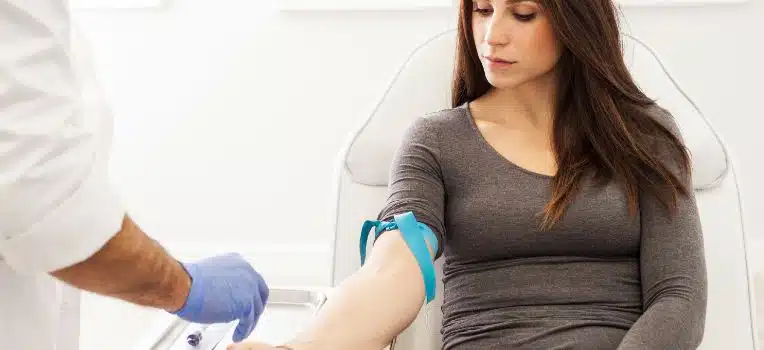
One of the most searched questions today is what is frat test. The FRAT test, also known as the folate receptor antibody test or folate receptor autoantibody test, is designed to detect antibodies that block folate receptors in the body.
Folate plays a crucial role in cell division, DNA synthesis, and early embryo development. Even when folate levels appear normal in routine blood work, these antibodies can prevent folate from reaching cells. According to fertility specialists, this hidden blockage may contribute to unexplained infertility, repeated implantation failure, or early pregnancy loss.
This is why the frat blood test is increasingly discussed as an advanced diagnostic option rather than a routine screening tool.
Expanding the Role of Infertility Blood Tests for Women
Traditionally, fertility testing focused on ovulation, hormone levels, and reproductive anatomy. While these remain essential, experts now recognize that immune system activity can also influence fertility outcomes. This realization has expanded the scope of infertility blood tests for women.
The FRAT test is now viewed by some clinicians as a targeted blood test to check female fertility, particularly for women who have undergone multiple unsuccessful fertility treatments without a clear diagnosis. Editorially, this marks a shift toward more personalized fertility investigations rather than standardized checklists.
Growing Interest in India’s Fertility Landscape
India’s fertility sector has grown rapidly over the past decade, driven by delayed parenthood and greater awareness of reproductive health. As a result, interest in the frat test india is steadily increasing. Online searches such as frat test near me suggest that patients are actively seeking clinics and diagnostic centers that offer this test.
Cost remains a significant factor. Many couples search for frat test cost india, as prices can vary widely depending on the laboratory, city, and testing method. Since the test is not yet part of routine fertility packages, it is often offered by specialized diagnostic centers or fertility clinics.
The availability of a frat test kit has also contributed to its gradual expansion, allowing select frat test lab facilities to process samples more efficiently. However, experts note that access is still limited compared to standard fertility tests.
Related Testing and Deeper Medical Insight
In advanced or research-oriented settings, the FRAT test may be discussed alongside tissue-based diagnostics such as folate receptor alpha ihc and folr1 ihc. These tests analyze folate receptor expression at the cellular level and are more commonly used in oncology and laboratory research.
While not routinely required for fertility evaluation, their mention in reproductive medicine highlights the growing scientific interest in folate metabolism and immune interactions.
Medical Opinion: Promise with Practical Limits
Most fertility specialists agree that the FRAT test should not be used in isolation. A positive result does not automatically explain infertility, and a negative result does not eliminate other causes. Instead, the test is considered most useful when conventional investigations fail to provide answers.
Supporters argue that identifying folate receptor autoantibodies can help doctors tailor treatment plans, including alternative forms of folate supplementation. Critics, however, emphasize the need for clearer clinical guidelines and broader awareness among practitioners.
This balanced perspective underscores the cautious optimism surrounding the test-acknowledging its potential without overstating its role.
A Broader Shift in Fertility Testing
The growing conversation around the frat test reflects a larger trend in reproductive medicine: fertility is increasingly understood as a complex interaction of hormones, nutrition, genetics, and immune responses. As diagnostics evolve, more women may gain access to deeper insights into their reproductive health.
For patients, this means more informed discussions with doctors. For clinicians, it means integrating emerging tests responsibly. In the ongoing evolution of fertility care, the FRAT test stands as a reminder that sometimes, answers lie beyond routine blood work.