
Inflatable military tents have become essential tools for modern defense operations, emergency response units, and field deployments. Their portability, rapid setup, and versatility make them ideal for providing temporary shelters, command centers, field hospitals, and storage facilities in challenging environments. In recent years, technological advancements have significantly improved the design, durability, and operational efficiency of these tents, allowing them to better meet the demands of military and emergency applications.
Professional Inflatable Military Tent Manufacturers have integrated new technologies into production processes to enhance structural integrity, simplify deployment, and improve user safety. These innovations range from advanced materials and precision manufacturing techniques to smart systems for inflation, environmental monitoring, and modular connectivity.
Advanced Materials for Enhanced Durability
One of the most significant technological advancements in military tent manufacturing is the development of high-performance fabrics. Modern inflatable tents utilize materials such as reinforced PVC-coated polyester, laminated airtight textiles, and PU-coated Oxford fabrics that offer superior resistance to tearing, abrasion, UV exposure, fire, and chemicals.
Nanotechnology coatings and polymer treatments have been introduced to increase water repellency, UV stability, and resistance to environmental degradation. These materials also enhance flexibility and reduce weight, which is critical for rapid deployment and transportation in field operations. The use of advanced materials extends the lifespan of tents and ensures they can endure extreme weather conditions without compromising structural integrity.
Precision Manufacturing and Seam Technology
Technological improvements in seam construction and assembly have increased the durability and reliability of inflatable military tents. High-frequency welding, heat-sealed seams, and reinforced stitching techniques ensure airtight joints and prevent leaks, even under high pressure or harsh environmental stress.
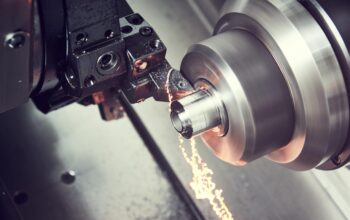
Automated cutting machines and CNC-controlled fabrication systems enable precise panel alignment, reducing material waste and improving the consistency of production. By combining advanced seam technology with precision assembly, manufacturers can produce tents that are more durable, safer, and easier to deploy.
Modular and Multi-Chamber Designs
Modern military tents often feature modular and multi-chamber designs, which allow for flexible layouts and improved redundancy. Multi-chamber systems ensure that if one chamber is compromised, the remaining chambers maintain structural integrity, preventing total collapse.
Advancements in modularity enable tents to be expanded or reconfigured quickly in the field. This adaptability allows military units to create tailored environments, whether for command operations, medical care, or storage purposes. Technological innovations in connectors, zippers, and anchoring systems have also streamlined the assembly process, further enhancing rapid deployment capabilities.
Smart Inflation Systems
Inflatable military tents now incorporate technologically advanced inflation systems that optimize air pressure and structural stability. High-performance valves, pressure-regulated chambers, and automated air distribution mechanisms ensure even inflation and prevent over-pressurization, which can strain seams or compromise tent integrity.
Some tents are equipped with sensors to monitor air pressure in real time, alerting users to leaks or irregularities that could affect stability. These smart inflation systems reduce setup time, improve safety, and allow tents to maintain operational readiness under demanding field conditions.
Integrated Environmental and Safety Features
Technological advancements have also focused on improving the safety and environmental resilience of military tents. Modern designs may include fire-retardant fabrics, chemical-resistant coatings, and grounding systems to protect personnel from electrical hazards. Ventilation systems, insulated panels, and modular flooring improve comfort while maintaining environmental control.
Environmental monitoring systems are being introduced in advanced designs to track internal temperature, humidity, and air quality, which is particularly valuable for field hospitals and command centers operating in extreme conditions.
Lightweight and Transportable Solutions
Improvements in materials, modular design, and inflation technology have resulted in lightweight, compact tents that are easier to transport. High-strength yet lightweight fabrics and foldable structural components allow military units to deploy tents quickly with minimal personnel. These advances reduce logistical burdens, improve mobility, and allow for more efficient storage and transportation during field operations.
Future Directions in Inflatable Military Tent Technology
Emerging technologies are likely to further revolutionize military tent manufacturing. Innovations such as self-inflating chambers, solar-powered environmental control systems, integrated communications hubs, and IoT-enabled monitoring are being explored. These developments will enhance operational efficiency, safety, and adaptability, providing military units with smarter, more resilient shelter solutions.
Conclusion
Technological advancements have transformed the production and performance of inflatable military tents, enhancing durability, safety, and operational efficiency. From high-performance materials and precision manufacturing techniques to smart inflation systems and modular designs, these innovations have enabled tents to meet the rigorous demands of modern military and emergency operations. By leveraging these technologies, inflatable military tent manufacturers provide reliable, adaptable, and rapidly deployable shelters that support mission success and improve the safety and effectiveness of personnel in diverse and challenging environments.