
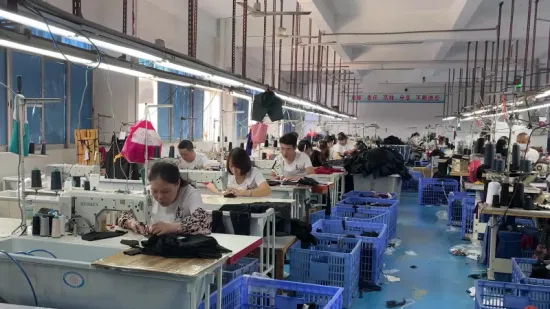
The demand for sustainable yoga wear has increased significantly as consumers become more conscious of the environmental and social impact of their purchases. Yoga apparel must not only be comfortable, flexible, and durable but also produced in a way that minimizes harm to the environment. Leading yoga wear manufacturers are adopting sustainable practices throughout their production processes to meet these expectations. Understanding these practices can help brands and consumers make informed decisions while supporting environmentally responsible businesses.
Use of Eco-Friendly Materials
One of the most important sustainable practices in yoga wear manufacturing is the use of eco-friendly materials. Many manufacturers are transitioning from conventional fabrics like nylon and polyester to recycled or renewable alternatives. For instance, recycled polyester, Econyl® regenerated nylon, organic cotton, bamboo fibers, and Tencel® are becoming common in yoga apparel production. These materials reduce dependency on non-renewable resources, lower carbon emissions, and prevent plastic waste from ending up in landfills and oceans. For brands seeking trusted suppliers, a reliable Yoga Wear Manufacturer can provide guidance on sourcing sustainable fabrics while ensuring product quality and performance.
Eco-friendly fabrics are also designed to maintain essential properties such as stretch, breathability, and moisture-wicking, ensuring that sustainable yoga wear does not compromise comfort or functionality. By incorporating these materials, manufacturers contribute to a circular and environmentally responsible fashion ecosystem.
Energy Efficiency and Water Conservation
Sustainable yoga wear manufacturers are increasingly adopting energy-efficient production processes. This includes using machinery with lower power consumption, optimizing production schedules to reduce energy waste, and implementing renewable energy sources where possible. These practices reduce the overall carbon footprint of yoga apparel production.
Water conservation is another critical focus area. Traditional textile production consumes large quantities of water, especially during dyeing and finishing processes. Sustainable manufacturers use water-efficient dyeing techniques, recycle water within production facilities, and select fabrics that require minimal water for processing. These measures help preserve one of the planet’s most valuable resources while maintaining high-quality products.
Non-Toxic and Low-Impact Dyeing
The dyeing and finishing processes in conventional yoga wear manufacturing often involve harmful chemicals that can pollute water systems and pose risks to workers. Sustainable yoga wear manufacturers use low-impact dyes and non-toxic finishes that minimize chemical runoff and reduce environmental harm.
By choosing low-impact dyes, manufacturers ensure that yoga apparel is safer for both workers and consumers. Additionally, these dyes maintain vibrant colors and long-lasting wear, combining sustainability with aesthetic appeal. This practice also aligns with the growing demand for eco-friendly products in the activewear market.
Waste Reduction and Recycling
Reducing waste is a fundamental aspect of sustainable manufacturing. Leading yoga wear manufacturers implement strategies to minimize fabric scraps, recycle offcuts, and repurpose defective materials. Some brands also incorporate post-consumer recycled fabrics into their products, closing the loop in material usage and promoting circular production systems.
Efficient waste management not only conserves resources but also reduces landfill contributions, making yoga wear production more environmentally responsible. Consumers increasingly value brands that actively minimize waste, adding a competitive advantage for companies that prioritize sustainable practices.
Ethical Labor and Transparent Supply Chains
Sustainability in yoga wear manufacturing extends beyond environmental considerations to include ethical labor practices. Manufacturers committed to sustainability ensure fair wages, safe working conditions, and transparency in supply chains. By prioritizing worker welfare and social responsibility, these companies support both environmental and social sustainability.
Transparency allows brands and consumers to verify that products are produced ethically and sustainably. Manufacturers that openly share information about sourcing, production methods, and labor practices help build trust and demonstrate a commitment to corporate responsibility.
Innovation and Continuous Improvement
Sustainable yoga wear manufacturers are also investing in innovation to improve their practices. This includes exploring new eco-friendly fabrics, advanced energy-saving machinery, waterless dyeing techniques, and biodegradable packaging. Continuous improvement ensures that sustainability remains a priority and that manufacturers stay at the forefront of environmentally responsible production.
Innovation also allows brands to offer products that meet the growing consumer demand for high-performance, stylish, and sustainable yoga apparel. By adopting new technologies and processes, manufacturers can reduce environmental impact while enhancing product quality and durability.
Conclusion
Sustainable practices used by yoga wear manufacturers encompass eco-friendly materials, energy and water efficiency, non-toxic dyeing, waste reduction, ethical labor, and continuous innovation. By integrating these practices into their production processes, manufacturers not only reduce environmental impact but also deliver high-quality, durable, and comfortable yoga apparel. Partnering with a reputable Yoga Wear Manufacturer ensures access to sustainable fabrics, ethical labor practices, and advanced manufacturing techniques. Supporting brands that prioritize sustainability enables consumers to enjoy high-performance yoga wear while contributing to a healthier planet and a more responsible fashion industry.