
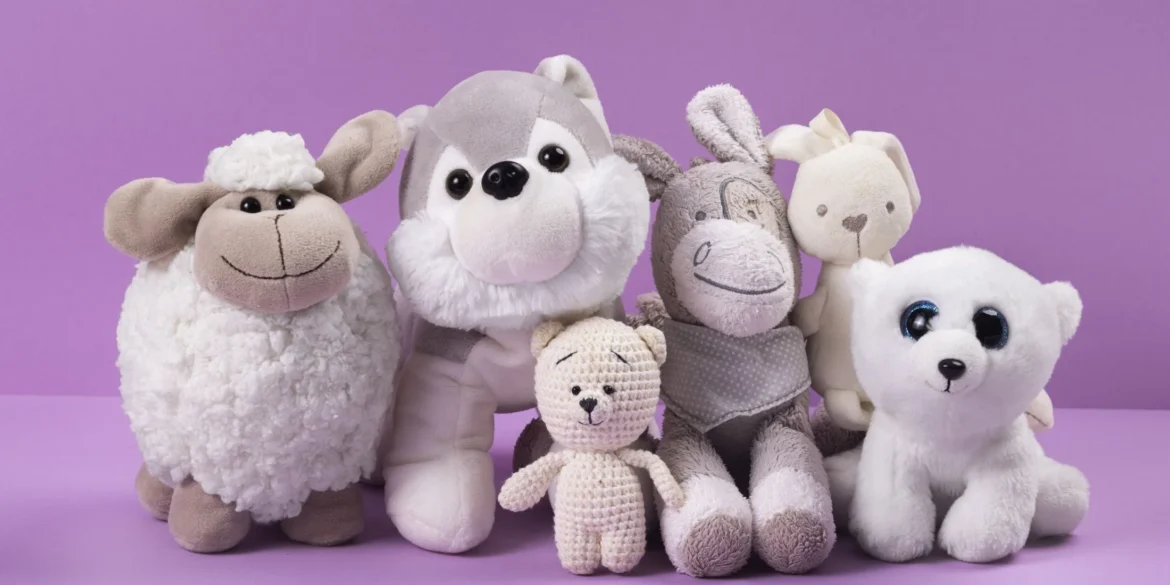
In today’s market, sustainability has become a critical factor for businesses and consumers alike. With growing awareness of environmental issues, brands are increasingly seeking eco-friendly options in product design and manufacturing. The plush toy industry is no exception. Custom plush manufacturers are now offering sustainable materials, energy-efficient production methods, and environmentally conscious practices to help brands reduce their carbon footprint while delivering high-quality products.
Sustainable Materials and Fabric Choices
One of the most important aspects of eco-friendly plush manufacturing is the use of sustainable materials. Traditional plush toys are often made with synthetic fabrics and polyester fillings derived from non-renewable petroleum sources. These materials, while affordable and soft, contribute to environmental pollution and are not biodegradable.
A reputable custom plush manufacturer can provide alternatives that are both sustainable and safe for children. Eco-friendly options include organic cotton, recycled polyester, bamboo fibers, and biodegradable stuffing materials. These fabrics are produced with reduced chemical usage, lower water consumption, and environmentally responsible sourcing methods. By incorporating these materials into plush toys, brands can significantly reduce their environmental impact while appealing to eco-conscious consumers.
Energy-Efficient Manufacturing Practices
Beyond material selection, sustainable custom plush manufacturing also involves optimizing production processes to reduce energy consumption and waste. Many manufacturers are now adopting energy-efficient machinery, LED lighting in production facilities, and water-saving technologies during fabric treatment and washing.
Reducing energy use not only benefits the environment but also decreases operational costs, allowing brands to invest in higher-quality materials or additional sustainability initiatives. Custom plush manufacturers who prioritize energy efficiency often combine this approach with lean production methods, ensuring that resources are used effectively while minimizing waste from excess fabric or defective products.
Waste Reduction and Recycling Programs
Waste management is another critical element of eco-friendly manufacturing. Custom plush manufacturers are increasingly implementing recycling programs to repurpose leftover fabric, stuffing, and packaging materials. Scrap fabric can be used to create smaller items, toys with mixed materials, or even sold to other industries for alternative uses.
In addition, many manufacturers are reducing packaging waste by using recycled or biodegradable materials, such as kraft paper, compostable bags, or soy-based inks for printed labels. Streamlined packaging not only protects the environment but also enhances the brand’s sustainability messaging, making the product more appealing to environmentally conscious customers.
Non-Toxic and Safe Materials
Sustainability also intersects with safety in custom plush manufacturing. Eco-friendly materials are often non-toxic and free from harmful chemicals like PVC, phthalates, or heavy metals. Manufacturers ensure that fabrics, dyes, and stuffing meet international safety standards such as ASTM, EN71, and CPSIA.
By choosing non-toxic materials, brands protect children’s health while demonstrating a commitment to environmental responsibility. Many eco-conscious consumers actively seek out toys made with safe, natural, or recycled materials, providing brands with a competitive advantage in the market.
Certifications and Transparency
A key factor in sustainable manufacturing is transparency. Custom plush manufacturers often provide certifications to verify that their products meet environmental and safety standards. Common certifications include GOTS (Global Organic Textile Standard), OEKO-TEX Standard 100, and recycled content certifications.
These certifications reassure clients that the materials and processes used are genuinely eco-friendly and socially responsible. Transparency in sourcing, production, and testing enhances brand credibility and helps consumers make informed purchasing decisions.
Customization and Sustainable Design
One of the benefits of working with a custom plush manufacturer is the ability to combine sustainability with creative design. Manufacturers can help brands design toys that are both environmentally responsible and visually appealing. This includes using innovative fabrics, modular designs that reduce material waste, or multifunctional toys that extend the product lifecycle.
Customizable eco-friendly plush toys allow brands to communicate a commitment to sustainability while maintaining a strong connection with their audience. By prioritizing both design and environmental impact, companies can differentiate themselves in a competitive marketplace.
Conclusion
Sustainability and eco-friendly options are no longer optional in the toy industry; they are a necessity for brands that want to meet consumer expectations and reduce environmental impact. Custom plush manufacturers play a vital role in this process by offering sustainable materials, energy-efficient production, waste reduction programs, and transparent certifications.
By partnering with a reliable custom plush manufacturer, brands can create plush toys that are safe, high-quality, and environmentally responsible. Integrating eco-friendly practices into custom plush production not only supports a healthier planet but also strengthens brand reputation, attracts eco-conscious consumers, and demonstrates a commitment to long-term sustainability in a competitive market.