
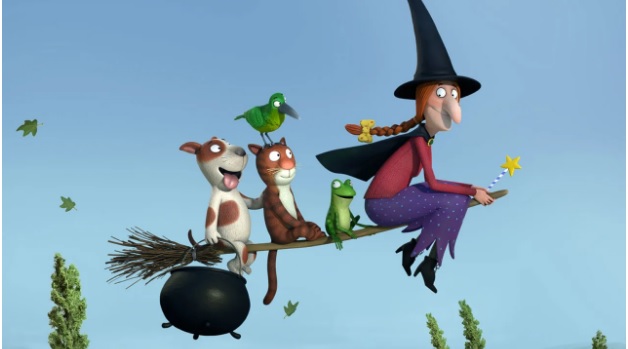
“Room on the Broom” is a beloved children’s book written by Julia Donaldson and illustrated by Axel Scheffler. First published in 2001, this enchanting tale has captured the hearts of young readers and their families around the world.
With its charming illustrations, delightful characters, and rhyming text, Room on the Broom has become one of the most popular picture books of its kind.
The story follows a kind witch and her cat as they embark on a whimsical adventure, meeting new animal friends along the way.
But it’s not just the plot that makes the book so special—it’s the timeless themes of friendship, sharing, and kindness that resonate with readers of all ages.
According to www.education.gov.au, early childhood literature plays an important role in the development of a child’s imagination, creativity, and literacy skills.
With its rhythmic verse, repetitive phrasing, and interactive nature, Room on the Broom provides an excellent opportunity for young readers to engage with the language while being swept away by the delightful story.
The book’s combination of vivid illustrations and engaging narrative encourages children to develop their listening skills, vocabulary, and an early love of reading.
In this article, we’ll delve into the magic of Room on the Broom, explore its key themes, and discuss why it remains a timeless classic for children of all ages.
1. The Story Behind Room on the Broom
At the heart of Room on the Broom is a witch who is flying happily through the sky on her broomstick with her cat. However, as the story progresses, the witch and her cat encounter a series of animals who are in need of help. Each animal asks if they can join the witch on her broom, and each time, the witch obliges, making room for more passengers.
One by one, a dog, a bird, and a frog join the journey, filling up the broomstick. However, as the broom grows heavier with passengers, the broom begins to break apart, leading to a moment of crisis. The plot reaches its climax when the broom is destroyed, and the animals face danger from a fearsome dragon. With the help of the witch’s new friends, however, they manage to overcome the threat, and the story concludes with a heartwarming ending.
This simple yet compelling story captures young imaginations, offering both excitement and valuable lessons on cooperation and kindness. It encourages children to think about the importance of sharing and helping others, while also incorporating the exciting idea of magic and adventure.
2. Key Themes of Room on the Broom
The magic of Room on the Broom is not only in its storytelling but also in the themes it explores. Below are some of the key messages and themes that make this book resonate with audiences of all ages.
a) Friendship and Cooperation
One of the book’s central themes is friendship. Despite their differences in size, shape, and species, the witch and her new friends form an unlikely, yet effective, team. Each animal that joins the journey contributes something unique to the group, whether it’s their strength, intelligence, or loyalty. By the end of the story, the witch and her companions learn the value of teamwork in overcoming obstacles.
Children learn the importance of inclusivity, teamwork, and mutual support, making Room on the Broom a wonderful story for promoting social skills. The idea that the more, the merrier applies in this story, reinforcing how great things can happen when individuals work together towards a common goal.
b) Kindness and Generosity
The witch’s willingness to share her broomstick with each animal, despite the potential discomfort of having more passengers, speaks to themes of generosity and kindness. She is kind-hearted and selfless, helping each creature without hesitation.
This generous spirit is something that children can learn from, as it encourages empathy and the idea of thinking beyond one’s own needs to consider those of others. Even though the witch does not gain anything material from her actions, she gains valuable relationships and friendships.
c) Problem-Solving and Resilience
The destruction of the broom forces the characters to face a significant problem. However, they do not give up. The dragon initially seems like an insurmountable obstacle, but the witch and her animal companions demonstrate resilience and creative problem-solving. With quick thinking, the witch uses her magical powers to outwit the dragon, which provides an empowering lesson for young readers.
The story illustrates that, even when things seem difficult or impossible, there are always solutions if you work together and remain determined. It teaches resilience in the face of adversity and the importance of keeping calm under pressure.
d) Imagination and Creativity
One of the most important elements of Room on the Broom is its fantastical setting and characters. The magical world in which the witch, her cat, and the animals travel on a flying broomstick invites young readers to explore the boundless possibilities of their imaginations. The whimsical elements of the story—like the talking animals, flying broomsticks, and an evil dragon—encourage children to think beyond the ordinary and embrace the wonders of creativity.
The playful illustrations by Axel Scheffler, which accompany Donaldson’s rhythmic text, are just as crucial in stimulating young minds. The vivid scenes and imaginative details invite children to think creatively, which can encourage them to create their own stories and ideas.
3. Why Room on the Broom is a Timeless Classic
Room on the Broom book has remained a timeless classic for several reasons. First, the book’s use of rhyme and rhythm makes it incredibly engaging for young children. The repetitive structure helps children anticipate what’s coming next, promoting language development and helping them feel involved in the storytelling process.
Second, the book’s themes are universal. The values of friendship, kindness, and resilience are timeless, and they apply to children in any generation. These themes resonate deeply with children, who are learning to navigate their social world, build relationships, and understand their emotions.
Third, Julia Donaldson’s storytelling is accessible yet captivating. The simple text works perfectly with Axel Scheffler’s detailed illustrations, ensuring that young readers are not only engaged by the narrative but also by the beautiful artwork. The book is also a great choice for early readers, as it provides plenty of opportunities for discussion and comprehension practice.
4. Educational Benefits of Room on the Broom
In addition to its entertainment value, Room on the Broom offers numerous educational benefits. The rhyme and rhythm found in the book help with phonemic awareness, an essential foundation for reading. The repetitive structure and language patterns also assist in building vocabulary, helping young children better understand the sounds and structures of the English language.
The book also promotes discussion about the moral lessons of the story. Teachers and parents can use the narrative to encourage young readers to talk about teamwork, problem-solving, and helping others. Furthermore, children can be invited to think about their own experiences with friendship and kindness, further deepening their understanding of the themes.
For educators and parents seeking ways to integrate Room on the Broom into a learning environment, the Department of Education offers resources for literacy development in young children, underlining the importance of story-based learning. According to www.education.gov.au, storytelling plays a significant role in early childhood education by stimulating cognitive and social development.
Room on the Broom is more than just a charming children’s book. It is a story that inspires creativity, teaches valuable life lessons, and encourages young readers to use their imagination.
With its delightful characters, engaging narrative, and beautiful illustrations, Room on the Broom is a book that children will return to again and again.
Whether read aloud by a parent, teacher, or caregiver, this book has the power to bring families together, create lasting memories, and help children develop essential skills for both reading and life.
As one of Julia Donaldson’s most enduring works, Room on the Broom continues to captivate audiences of all ages, making it a must-have addition to any child’s bookshelf.
Its blend of adventure, humor, and heart ensures that it will remain a cherished classic for generations to come.