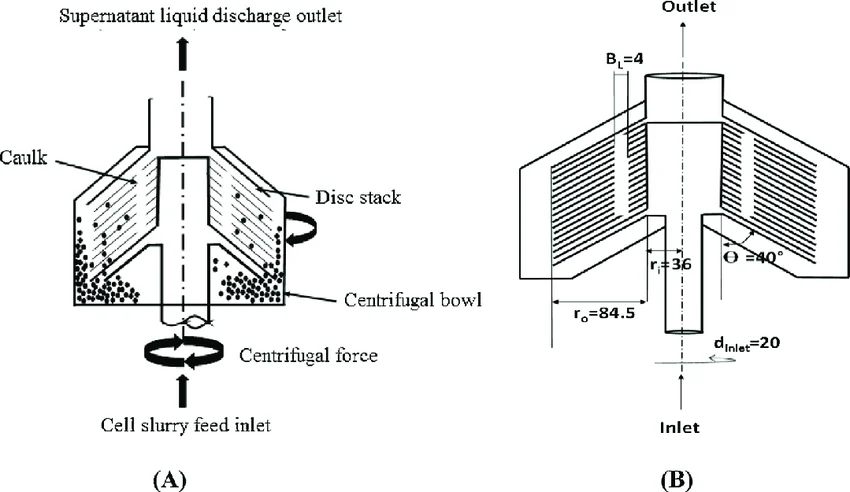
A disc bowl centrifuge is a high-performance machine widely used in industries such as food processing, chemical manufacturing, pharmaceuticals, and wastewater treatment. Its ability to separate liquids and solids or immiscible liquids with high efficiency makes it indispensable for continuous production. However, like any precision industrial equipment, proper maintenance and operation are essential to ensure long-term reliability, consistent performance, and cost-effective operation. Understanding best practices can prevent downtime, reduce repair costs, and maximize the lifespan of the centrifuge.
Importance of Regular Maintenance
Regular maintenance is critical to the efficient operation of a Disc Bowl Centrifuge. High-speed rotation and continuous processing can subject components to wear, corrosion, and mechanical stress. Routine maintenance helps identify and address issues such as bearing wear, imbalance, or component fatigue before they escalate into serious problems. Establishing a maintenance schedule based on the manufacturer’s recommendations ensures that all critical parts are inspected, cleaned, and serviced regularly, reducing the likelihood of unexpected breakdowns and maintaining optimal separation performance.
Daily Operational Checks
To ensure smooth operation, operators should perform daily checks before and during centrifuge use. This includes verifying that the feed material is within acceptable parameters, such as viscosity, temperature, and solids content. Ensuring that the centrifuge is properly balanced and that all connections are secure helps prevent vibration and uneven wear on components. Monitoring rotational speed, feed rate, and discharge flow during operation allows operators to detect anomalies early, which can prevent more significant mechanical or performance issues. Regular observation also helps in maintaining product quality and consistent separation results.
Cleaning and Component Care
Cleaning is a crucial part of maintaining a disc bowl centrifuge, particularly in food, pharmaceutical, and chemical applications where contamination can compromise product quality. The bowl, discs, and discharge channels should be cleaned routinely according to the manufacturer’s guidelines. Many modern centrifuges feature automated or semi-automated cleaning systems that reduce manual labor and minimize downtime. Using appropriate cleaning agents that do not corrode or damage the centrifuge’s materials is important. Additionally, lubricating bearings and other moving parts as recommended ensures smooth operation and prevents premature wear.
Inspection of Wear Parts
Certain components of a disc bowl centrifuge, such as bearings, seals, and discharge mechanisms, are more susceptible to wear due to high-speed rotation and continuous operation. Regular inspection and timely replacement of these parts are essential for maintaining efficiency and avoiding breakdowns. Wear monitoring tools, such as vibration sensors or visual inspections, can provide early warning signs of potential failures. Maintaining an inventory of critical spare parts allows for quick replacement, reducing downtime and minimizing disruptions to production schedules.
Balancing and Alignment
Proper balancing and alignment of the centrifuge are essential to reduce vibration, noise, and stress on mechanical components. Imbalance in the bowl or feed system can lead to uneven wear and reduced efficiency. Operators should regularly check the alignment of the rotor, bowl, and drive components and make adjustments as necessary. Precision alignment tools and manufacturer-recommended procedures help maintain optimal operational conditions, ensuring consistent separation performance.
Operational Best Practices
Optimizing feed rates, rotational speeds, and discharge timing according to the material properties is key to maximizing efficiency and minimizing wear. Avoiding overloading and ensuring that feed materials are pre-filtered to remove oversized solids or debris helps protect the centrifuge. In addition, operators should be trained on emergency procedures, including safe shutdown protocols, to prevent accidents or damage in the event of unexpected operational issues.
Monitoring and Automation
Modern disc bowl centrifuges often include sensors and automated control systems to monitor performance in real time. Parameters such as vibration, temperature, rotational speed, and feed composition can be continuously tracked to ensure safe and efficient operation. Predictive maintenance features provide alerts when components approach service limits, allowing operators to plan maintenance proactively. Leveraging these technologies not only improves safety but also enhances operational efficiency and reduces unplanned downtime.
Conclusion
Maintaining and operating a disc bowl centrifuge effectively requires attention to detail, adherence to recommended procedures, and a proactive approach to maintenance. Regular inspections, cleaning, lubrication, wear monitoring, and proper balancing ensure the machine runs reliably and efficiently. Following operational best practices, including optimizing feed rates, using automation tools, and monitoring performance, helps maximize throughput, maintain product quality, and extend the lifespan of the centrifuge. By implementing these tips, industries can ensure consistent, high-performance operation while minimizing downtime and maintenance costs, making the disc bowl centrifuge a valuable long-term investment.