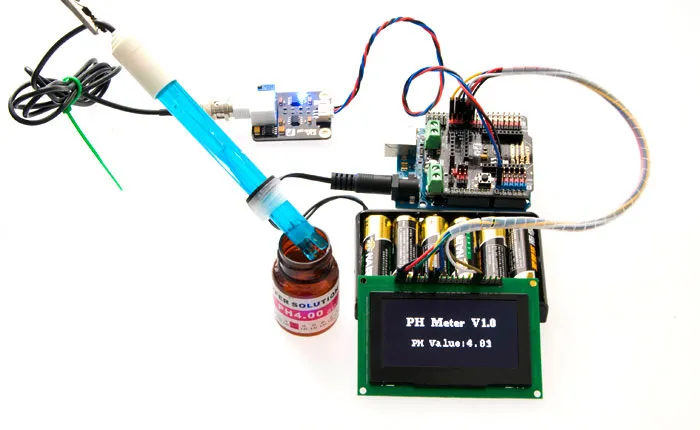
Continuous monitoring of water quality and chemical processes is essential in industries such as pharmaceuticals, food and beverage production, water treatment, and environmental management. Maintaining accurate pH levels ensures process efficiency, product quality, and compliance with safety standards. To achieve this, precise and reliable measurement tools are required, and a pH sensor plays a central role in continuous monitoring systems.
A reliable pH sensor provides real-time, accurate measurements of water or solution acidity and alkalinity. Unlike periodic manual testing, continuous pH monitoring allows for immediate detection of changes in chemical conditions. This capability is crucial for processes where even minor deviations can impact product quality, equipment performance, or regulatory compliance.
Importance of Accuracy in Continuous Monitoring
Accurate pH measurement is vital because pH influences chemical reactions, microbial activity, and the stability of solutions. Inconsistent or delayed readings can lead to improper chemical dosing, reduced product quality, or unsafe conditions in water treatment systems. Continuous monitoring with a pH sensor ensures that operators have a consistent and reliable view of system conditions, enabling quick corrective actions.
For industrial and laboratory applications, precise pH measurement reduces variability between batches and supports better process control. This is particularly important in pharmaceuticals and food production, where stringent quality standards must be maintained.
Advantages of Using pH Sensors
pH sensors provide several advantages over traditional manual testing methods. They offer real-time data, automated logging, and high-resolution measurements that minimize human error. Sensors designed for continuous monitoring are resistant to drift and environmental interference, maintaining consistent performance over extended periods.
Continuous pH monitoring also allows for integration with automated control systems. For example, chemical dosing systems can use real-time pH data to adjust acid or base input, maintaining optimal process conditions without manual intervention. This improves both accuracy and operational efficiency.
Reducing Errors and Drift
Over time, pH sensors can experience drift due to electrode aging, fouling, or environmental conditions. Regular calibration and maintenance are critical to ensuring long-term accuracy. Many modern pH sensors include features such as temperature compensation and self-cleaning electrodes, which reduce errors and extend sensor life.
By addressing potential sources of inaccuracy, continuous pH sensors provide reliable readings, enabling operators to maintain process stability and prevent quality issues before they escalate.
Applications in Various Industries
In water treatment plants, pH sensors continuously monitor drinking water, wastewater, and industrial effluent. Accurate pH readings ensure proper chemical treatment, compliance with regulatory standards, and protection of aquatic ecosystems. In aquaculture, real-time monitoring maintains water quality, preventing stress and disease in fish populations.
In chemical and pharmaceutical manufacturing, continuous pH monitoring is crucial for reaction control, product consistency, and safety. Even minor deviations can affect chemical yield, potency, or shelf-life, making accurate sensor readings essential for process optimization.
Data Collection and Trend Analysis
Continuous pH monitoring generates extensive data sets that can be used for trend analysis and predictive maintenance. By analyzing historical pH data, operators can anticipate fluctuations, optimize chemical usage, and schedule maintenance activities more effectively. This proactive approach reduces downtime, enhances efficiency, and supports long-term process reliability.
Integration with smart systems also enables alerts and automated corrective actions when pH levels exceed predefined thresholds. This real-time capability ensures immediate response, preventing potential issues that could compromise safety or quality.
Enhancing Safety and Compliance
Accurate pH monitoring is critical for maintaining safety in industrial and environmental applications. Improper pH levels can cause chemical hazards, equipment corrosion, or compromised product quality. Continuous monitoring ensures that conditions remain within safe and acceptable limits, supporting regulatory compliance and protecting both workers and the environment.
Conclusion
A pH sensor is an essential tool for improving accuracy in continuous monitoring applications. By providing real-time, reliable measurements, pH sensors enable precise control of chemical processes, maintain water quality, and ensure compliance with safety and regulatory standards. Integration with automated systems and continuous data collection further enhances operational efficiency and process reliability. For industries and applications that demand consistent, accurate pH control, continuous monitoring with a pH sensor is a critical component of modern process management.