
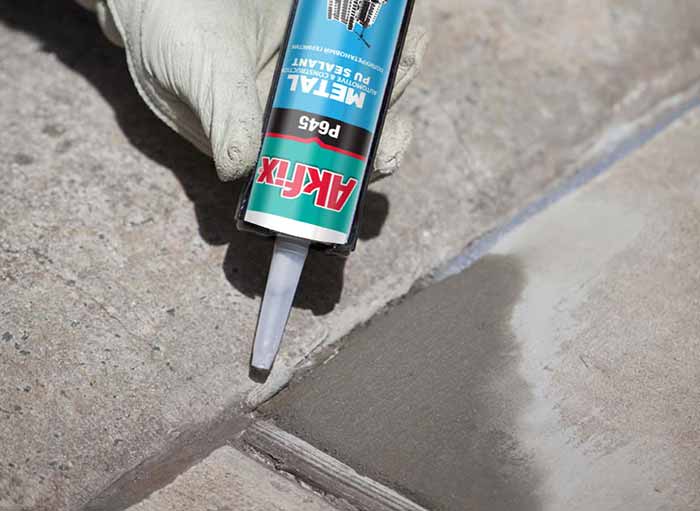
Air and water leakage are common issues in buildings that can lead to energy loss, structural damage, and indoor discomfort. Addressing these problems requires a reliable and versatile solution, and foam sealant is one of the most effective materials for preventing infiltration. Its expanding, adhesive properties allow it to create airtight and watertight seals that enhance both efficiency and durability in construction and renovation projects.
Understanding Foam Sealant
Foam sealant is a polyurethane-based expanding material designed to fill gaps, cracks, and cavities in walls, ceilings, floors, and around windows and doors. Its ability to adhere to a wide range of surfaces, including wood, metal, brick, and concrete, makes it a versatile option for air and water sealing. For high-quality and reliable options, foam sealant comes in formulations tailored for indoor, outdoor, and specialized applications. These products provide superior expansion, curing, and adhesion properties, making them ideal for preventing leaks in critical areas of a building.
How Foam Sealant Prevents Air Leakage
1. Filling Gaps and Cracks
Air infiltration often occurs through small cracks and gaps in the building envelope. Foam sealant expands after application, filling these spaces completely and creating an airtight barrier. This prevents drafts, enhances indoor comfort, and reduces the load on heating and cooling systems, resulting in lower energy bills.
2. Sealing Around Doors and Windows
Windows and doors are common entry points for unwanted airflow. Applying foam sealant around frames ensures a tight seal, eliminating drafts and improving thermal performance. Its ability to conform to irregular surfaces makes it especially effective for older buildings with uneven gaps.
3. Insulating Wall Cavities
In addition to sealing gaps, foam sealant acts as an insulator within wall cavities. By reducing air movement through walls, ceilings, and floors, it enhances energy efficiency and maintains consistent indoor temperatures throughout the year.
How Foam Sealant Prevents Water Leakage
1. Moisture-Resistant Barrier
Water leakage can cause significant damage, including mold growth, wood rot, and corrosion. Foam sealant creates a moisture-resistant barrier that prevents water from entering through joints, gaps, or penetrations. This is particularly important around plumbing fixtures, roof edges, and exterior walls.
2. Sealing Exterior Penetrations
Pipes, vents, and electrical conduits often penetrate exterior walls, creating potential water entry points. Foam sealant fills these spaces completely, preventing rainwater or condensation from entering and protecting the structural integrity of the building.
3. Weatherproofing Windows and Doors
In addition to preventing air leaks, foam sealant provides protection against rain and moisture. When applied properly around windows and doors, it prevents water from seeping into frames and walls, which reduces the risk of damage and costly repairs.
Advantages of Foam Sealant Over Traditional Methods
- Expansion Ability: Unlike caulking or putty, foam sealant expands to fill irregular spaces and hard-to-reach areas.
- Dual Functionality: It provides both air sealing and water resistance in a single application.
- Insulation Properties: Foam adds thermal and acoustic insulation while sealing gaps.
- Durability: Once cured, it maintains its shape and effectiveness over time, resisting shrinkage and deterioration.
- Versatility: Suitable for multiple surfaces and a wide range of indoor and outdoor applications.
Tips for Effective Use
- Clean and dry surfaces before applying foam sealant to ensure proper adhesion.
- Apply foam gradually, especially in deep gaps, to control expansion.
- Use protective gear, including gloves and eye protection, to avoid contact with uncured foam.
- Allow the foam to cure completely before trimming or painting for optimal performance.
- Select the appropriate formulation based on indoor, outdoor, or specialized needs to ensure maximum effectiveness.
Conclusion
Foam sealant is a powerful solution for preventing both air and water leakage in residential and commercial buildings. Its expanding properties allow it to fill gaps, cracks, and cavities, creating airtight and moisture-resistant seals that enhance energy efficiency, structural integrity, and comfort. By using high-quality foam sealant and applying it correctly, homeowners and builders can effectively protect their buildings from drafts, water intrusion, and related damage. The versatility, durability, and insulating capabilities of foam sealant make it an essential material for achieving long-lasting performance and reliability in construction and renovation projects.