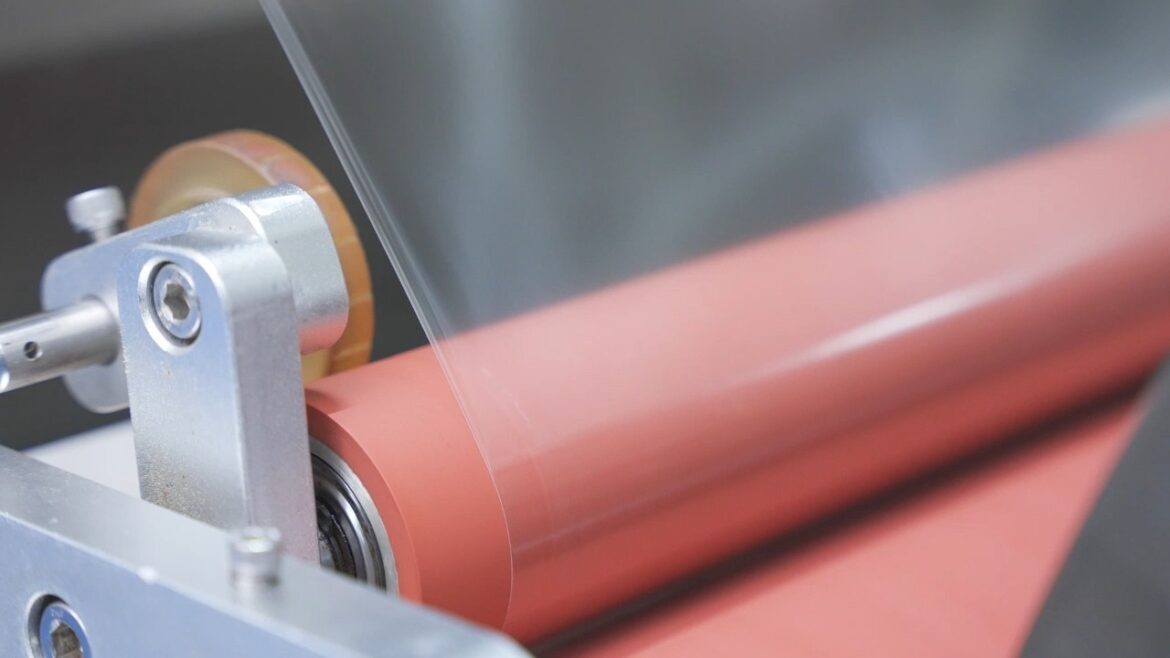
Water soluble film packaging machines have become increasingly important across industries such as detergents, cleaning products, pharmaceuticals, and healthcare. These machines provide precise single-dose packaging using films that dissolve completely in water, offering convenience, safety, and environmental sustainability. As technology evolves, manufacturers are exploring innovative approaches to improve efficiency, reduce waste, and meet the growing demand for eco-friendly packaging solutions. Understanding the future trends in water soluble film packaging machines can help businesses stay competitive and prepare for emerging market requirements.
Automation and Smart Manufacturing
One of the key trends in the future of water soluble film packaging machines is the integration of advanced automation and smart manufacturing systems. Modern machines are already incorporating programmable logic controllers (PLCs), human-machine interfaces (HMIs), and automated feedback mechanisms to monitor and control production in real-time.
Future machines are expected to take automation further by integrating artificial intelligence (AI) and machine learning algorithms. These technologies will enable predictive maintenance, process optimization, and real-time quality control. Operators will receive actionable insights to prevent downtime, optimize production speed, and reduce material waste. Such intelligent systems will ensure that water soluble film packaging machines deliver consistent, high-quality output while adapting to changing production requirements.
High-Speed, High-Capacity Production
As demand for single-dose packaging continues to grow, manufacturers will require machines capable of higher production speeds and greater output capacity. Multi-lane configurations, faster filling systems, and advanced sealing technologies will become standard in future water soluble film packaging machines.
A high-quality Water Soluble Film Packaging Machine already incorporates high-speed automation and multi-lane options, but future models will optimize production efficiency even further. Advanced synchronization between feeding, forming, filling, sealing, and cutting processes will allow manufacturers to meet large-scale production demands without compromising accuracy or product integrity.
Eco-Friendly and Sustainable Packaging
Sustainability remains a critical focus for the packaging industry, and water soluble film machines are at the forefront of this trend. Water soluble films are biodegradable and dissolve completely in water, but future machines will further minimize environmental impact by reducing energy consumption, scrap material, and excess film usage.
Innovations in machine design, such as energy-efficient motors, optimized heating and sealing systems, and automated material management, will make production more sustainable. Additionally, the development of films with faster dissolution rates or enhanced strength could reduce waste while maintaining product integrity. Manufacturers adopting these eco-friendly solutions will meet regulatory requirements and appeal to environmentally conscious consumers.
Customisation and Flexibility
Future trends indicate a shift toward highly customisable machines capable of handling a wide variety of products and packaging formats. Water soluble film packaging machines will offer greater flexibility in dosing mechanisms, package sizes, sealing methods, and film types to accommodate powders, liquids, gels, and chemical products.
Advanced customization options will allow manufacturers to switch between different product types quickly, reducing downtime and improving operational efficiency. Modular designs will enable companies to upgrade machines as market demands evolve, ensuring long-term adaptability and value.
Data Integration and Industry 4.0
Data-driven manufacturing will play a pivotal role in the future of water soluble film packaging. Integration with Industry 4.0 technologies will allow machines to communicate with enterprise resource planning (ERP) systems, track production metrics in real-time, and support predictive maintenance.
IoT-enabled machines will provide manufacturers with detailed analytics on machine performance, fill accuracy, sealing integrity, and environmental conditions. This data will support process optimization, inventory management, and improved decision-making. By leveraging these insights, manufacturers can maximize efficiency, reduce waste, and maintain consistent product quality.
Safety and Compliance Enhancements
Safety and compliance are critical considerations in pharmaceutical, healthcare, and chemical packaging. Future water soluble film packaging machines will incorporate more advanced safety features, such as improved interlocking guards, automated shutdown systems, and contamination monitoring.
Enhanced hygiene protocols and automated cleaning cycles will ensure that machines remain compliant with Good Manufacturing Practices (GMP) and other regulatory standards. These innovations will make it easier for operators to maintain a safe working environment while producing high-quality single-dose packages.
Conclusion
The future of water soluble film packaging machines is shaped by innovations in automation, high-speed production, sustainability, customization, data integration, and safety. Intelligent, IoT-enabled systems will optimize operations and predictive maintenance, while eco-friendly designs will minimize waste and energy consumption. High-capacity, multi-lane machines will allow manufacturers to meet increasing demand efficiently, and enhanced safety and compliance features will ensure consistent quality and regulatory adherence.
By embracing these trends, industries such as detergents, pharmaceuticals, healthcare, and chemical manufacturing can produce reliable, sustainable, and high-quality single-dose packages. Investing in advanced water soluble film packaging machines ensures that manufacturers remain competitive and prepared for the evolving demands of modern packaging.