
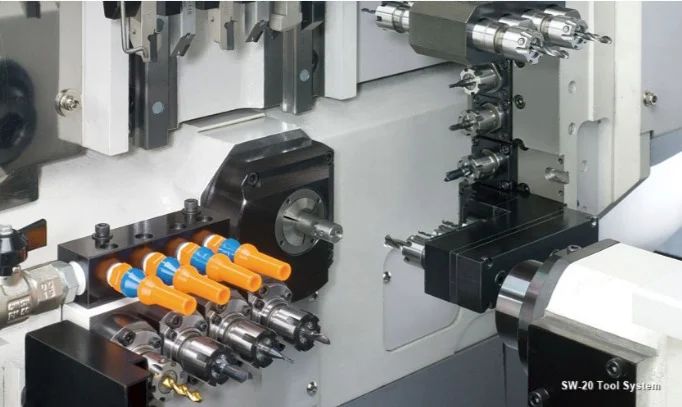
Selecting the right Swiss lathe manufacturer is critical for ensuring high-quality equipment, reliable support, and long-term operational efficiency. With many options available in the market, understanding the key factors that influence a manufacturer’s credibility and performance can help workshops make informed decisions.
Experience and Track Record
A manufacturer’s experience in the industry is one of the most important considerations. Companies with a proven track record are more likely to produce machines that meet rigorous precision standards and handle diverse production needs. Evaluating years of experience, previous projects, and customer satisfaction provides insight into the reliability and expertise of the manufacturer.
Product Range and Technical Capabilities
When assessing potential suppliers, it is important to review their product range and technological strengths. Modern manufacturing demands machines that incorporate automation, CNC control, and multi-axis capabilities. A reputable leading Swiss lathe manufacturers will offer equipment equipped with advanced features, durable components, and flexible configurations suitable for various industries. This ensures that buyers can find machines that align with their production requirements and growth plans.
Quality Assurance and Certifications
High-quality Swiss lathes require manufacturers to adhere to stringent quality standards. Certifications such as ISO, CE, or equivalent quality approvals demonstrate a commitment to consistent production, safety, and performance. Inspecting a manufacturer’s quality assurance procedures, material selection, and testing protocols helps buyers verify that the machines meet expected standards before making an investment.
After-Sales Support and Service Network
After-sales support is a vital aspect of evaluating Swiss lathe manufacturers. Reliable manufacturers provide comprehensive services, including technical assistance, spare parts availability, maintenance guidance, and training programs. A strong support network ensures that workshops can maintain operational efficiency, quickly address technical issues, and extend the lifespan of the equipment.
Innovation and Adaptability
In a competitive market, manufacturers that invest in research and development often produce machines with enhanced precision, efficiency, and capabilities. Assessing a manufacturer’s commitment to innovation can indicate whether they are able to meet evolving industry needs. Flexible and forward-thinking manufacturers are more likely to provide solutions that accommodate complex part designs and emerging production technologies.
Financial Stability and Longevity
The financial health of a manufacturer affects their ability to provide consistent service, honor warranties, and maintain a stable supply of spare parts. Companies with strong financial stability are less likely to face disruptions that could affect buyers’ operations. Longevity in the market also demonstrates reliability and reassures customers that the manufacturer will remain a viable partner for years to come.
Customer References and Feedback
Obtaining feedback from previous customers provides valuable insight into a manufacturer’s performance. Case studies, client testimonials, and references allow potential buyers to assess machine quality, reliability, and support responsiveness. Visiting operational sites or engaging with current users can also provide practical knowledge about machine performance and real-world efficiency.
Transparency and Communication
A manufacturer’s transparency in communication, pricing, and technical specifications is crucial for building trust. Clear, detailed product information, responsive communication, and honest recommendations reflect a commitment to customer satisfaction. Manufacturers who maintain open communication make it easier for buyers to make well-informed decisions and avoid misunderstandings.
Conclusion
Evaluating Swiss lathe manufacturers involves considering experience, technical capabilities, quality assurance, after-sales support, innovation, financial stability, customer feedback, and transparency. By focusing on these factors, workshops can identify manufacturers that offer reliable, high-performance machines and long-term operational support. Choosing the right partner ensures precision, efficiency, and confidence in every investment in Swiss lathe technology.