
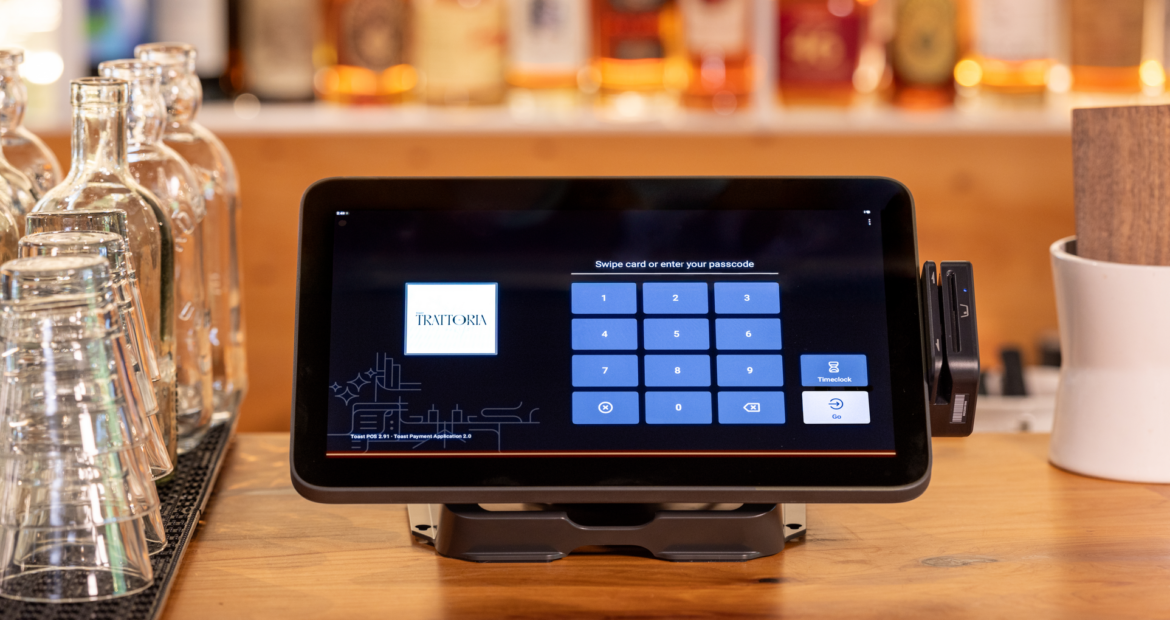
In today’s technology-driven business landscape, integrating a Point of Sale (POS) system with payment gateways and inventory management is no longer optional—it is essential. Integration ensures that sales processes, financial transactions, and stock controls work in harmony. Proper integration eliminates redundant tasks, reduces human error, and delivers a seamless flow of information across key business functions. Whether in retail, hospitality, or service industries, businesses that leverage integration see improvements in accuracy, efficiency, and customer satisfaction.
A well-integrated system connects the sales interface with backend inventory and payment processing services so that every action at the checkout reflects immediately across all platforms. For businesses exploring high-performance solutions, a Complete POS System offers a unified platform with built-in support for payment and inventory integration. This link between core business modules allows real-time data synchronization and supports advanced features such as automated stock updates, secure payments, and intelligent reporting.
Understanding POS Integration
Integration is the process of linking a POS system with other essential components of the business ecosystem, specifically payment gateways and inventory databases. When these systems communicate effectively, data flows freely from one module to another without the need for manual intervention. In practical terms, this means that when a sale is made, the inventory is updated instantly, and the payment gateway processes the financial transaction securely and efficiently. This real-time connectivity eliminates discrepancies between sales data and inventory counts and ensures that financial records are accurate.
Role of Payment Gateways in POS
Payment gateways are the digital infrastructure that authorize and process card payments between the customer, merchant, and financial networks. They act as the secure bridge that transmits payment information from the POS terminal to banks or card processors. Without proper integration, payment gateways can become bottlenecks, requiring manual reconciliation or introducing delays in payment confirmation.
When integrated correctly, payment gateways work seamlessly with the POS system to authorize payments instantly. This allows customers to complete transactions using various methods, including credit cards, debit cards, mobile wallets, and contactless payment solutions. In addition, modern payment gateways support fraud detection and secure data handling through encryption, reducing the risk of financial losses and data breaches.
How Payment Integration Improves Business Operations
A key advantage of integrating payment gateways into a POS system is efficiency. Manual entry of payment data into accounting systems is time-consuming and error-prone. With integration, data is transmitted automatically, ensuring that sales figures are consistent across all records. For businesses with multiple outlets, centralized payment tracking gives a consolidated view of revenue streams, enabling faster financial reporting and analysis.
Security is another major benefit. Integrated payment gateways are designed to comply with industry standards such as PCI DSS (Payment Card Industry Data Security Standard). These security measures protect sensitive cardholder information and build trust with customers concerned about their financial privacy. Businesses also benefit from consistent updates provided by gateway services, keeping the system aligned with evolving security protocols.
Inventory Integration Explained
Inventory integration connects the POS system with stock control modules so that every transaction affects inventory levels in real time. This synchronization is critical for accurate stock management. When an item is sold, the inventory count decreases automatically, preventing inaccurate stock records. For businesses selling both online and offline, integrated inventory ensures that all sales channels share the same stock information, reducing the risk of overselling or stockouts.
Inventory integration also enables automated purchase orders and reordering. When stock levels fall below pre-set thresholds, the system can alert managers or even generate a reorder request automatically. This proactive approach to inventory control prevents disruptions in business operations and supports continuous product availability.
Benefits of Inventory and POS Integration
Real-time visibility into inventory levels is one of the most significant benefits of integration. Business owners, managers, and staff can view current stock counts at any time, across all locations. This transparency supports smarter decisions about purchasing, promotions, and pricing strategies.
Integration also supports detailed reporting. Instead of relying on manual spreadsheets or disconnected software, businesses can generate accurate reports that correlate sales data with inventory movement. These insights help identify trends, manage seasonal stock variations, and understand product performance with clarity.
Seamless Customer Experience
Integrated POS, payment, and inventory systems do more than just improve back-end operations. They play a central role in enhancing the customer experience. Faster checkout processes, accurate stock availability information, and smooth payment options contribute to greater customer satisfaction. When employees don’t have to spend time reconciling data manually or correcting errors, they can focus more on customer service.
Additionally, integrated systems can power loyalty programs and personalized offers. When a POS system has access to both sales history and customer profiles, businesses can tailor promotions and rewards that are more relevant to individual customers, fostering loyalty and repeat purchases.
Implementation Considerations
When planning integration, businesses should begin by assessing current workflows and identifying the systems that require connectivity. Choosing a flexible POS solution that supports API (Application Programming Interface) integration can ease the process. APIs allow different software platforms to communicate securely and efficiently.
Another consideration is support for multi-channel sales operations. Many businesses operate both physical stores and online platforms, making omnichannel integration critical. Consistent data across channels not only improves accuracy, it also supports unified reporting and a single customer view.
Final Thoughts
Integration of POS systems with payment gateways and inventory management solutions transforms how businesses operate. It eliminates redundant tasks, enhances security, and provides real-time insights into financial and inventory performance. A fully integrated POS ecosystem supports smoother daily operations, improved accuracy, and stronger customer relationships. As competition grows and customer expectations evolve, investing in integrated systems is a strategic priority for businesses aiming to streamline their operations and deliver exceptional service.