
When selecting a basin with foot wash, one of the primary considerations is its mounting style. The choice between wall-mounted and floor-mounted designs impacts not only the functionality and maintenance but also the overall aesthetics of the space. Both options have unique advantages and potential limitations, making it essential to understand their differences before making an informed decision.
Wall-Mounted Basin With Foot Wash
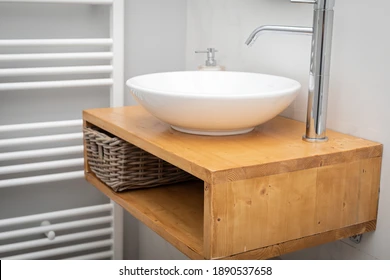
Wall-mounted basins are attached directly to the wall, leaving the floor space beneath them open. This design offers a modern and sleek appearance, making it ideal for contemporary interiors. One of the key benefits of wall-mounted basin with foot wash units is ease of cleaning. Since the floor is unobstructed, maintenance staff or users can quickly clean the area, reducing the buildup of dirt and moisture.
Additionally, wall-mounted basins can create a sense of spaciousness in smaller areas. By freeing up floor space, they allow for better movement, especially in crowded ablution areas or smaller washrooms. Height customization is another advantage; the basin can be installed at a level that accommodates users of varying heights, improving comfort during use. For those seeking a balance between style and practicality, high-quality options, such as basin with foot wash, offer both durability and functional efficiency without compromising design aesthetics.
However, wall-mounted units also come with certain considerations. Installation requires secure wall structures capable of supporting the basin’s weight, which may involve additional reinforcement in some buildings. Over time, the wall attachments and mounting hardware need to be checked periodically to prevent loosening or damage.
Floor-Mounted Basin With Foot Wash
Floor-mounted basins are anchored to the floor, often extending from floor to counter height. These units provide excellent stability and are less dependent on wall strength for support. This type of basin with foot wash is ideal for high-traffic areas or spaces where the wall structure may not support a wall-mounted installation.
Another benefit of floor-mounted designs is their traditional and robust appearance, which can complement a wide range of interior styles. Maintenance is generally straightforward, although cleaning around the base can require more effort compared to wall-mounted alternatives. Floor-mounted units are typically more forgiving in terms of installation, making them suitable for renovation projects where wall reinforcement may not be feasible.
The footprint of a floor-mounted basin, however, can limit flexibility in smaller spaces. Since the base occupies floor area, it can create a slightly more confined environment, which may affect accessibility in compact washrooms. Nonetheless, for larger facilities, floor-mounted designs provide a solid, durable solution that can withstand frequent use over time.
Key Factors to Consider
When deciding between wall-mounted and floor-mounted basin with foot wash designs, several factors should be considered:
- Space availability: Wall-mounted basins are better suited for compact spaces, while floor-mounted units can fill larger areas effectively.
- Ease of cleaning: Open floor space beneath wall-mounted units simplifies cleaning, whereas floor-mounted units require attention around the base.
- Installation requirements: Wall-mounted basins need strong wall support, while floor-mounted units primarily rely on floor stability.
- User accessibility: Customizable heights are easier to achieve with wall-mounted designs, benefiting users of all ages.
- Design preference: Modern minimalist interiors often favor wall-mounted units, while traditional or commercial spaces may benefit from floor-mounted options.
Conclusion
Both wall-mounted and floor-mounted basin with foot wash designs have distinct advantages, and the choice ultimately depends on the specific needs of the space and users. Wall-mounted units excel in compact areas, offer easy cleaning, and provide a modern aesthetic, while floor-mounted options deliver stability, traditional appeal, and straightforward installation. By evaluating the space, user requirements, and maintenance considerations, facilities can select the optimal design that ensures functionality, hygiene, and visual appeal for years to come.